The Story
Why it exists.
The beginning
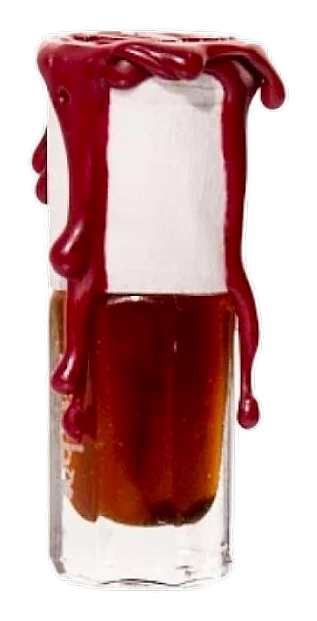
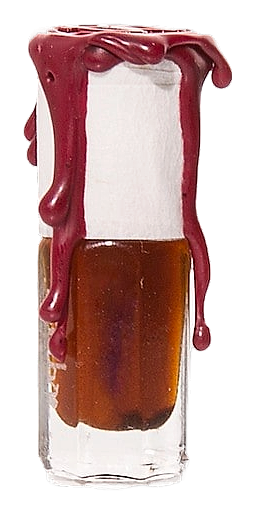
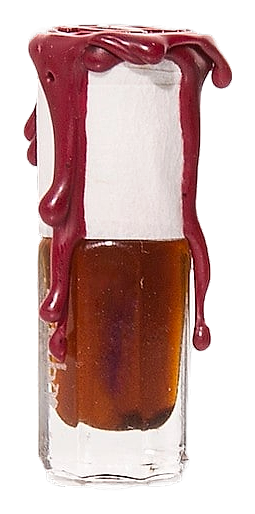
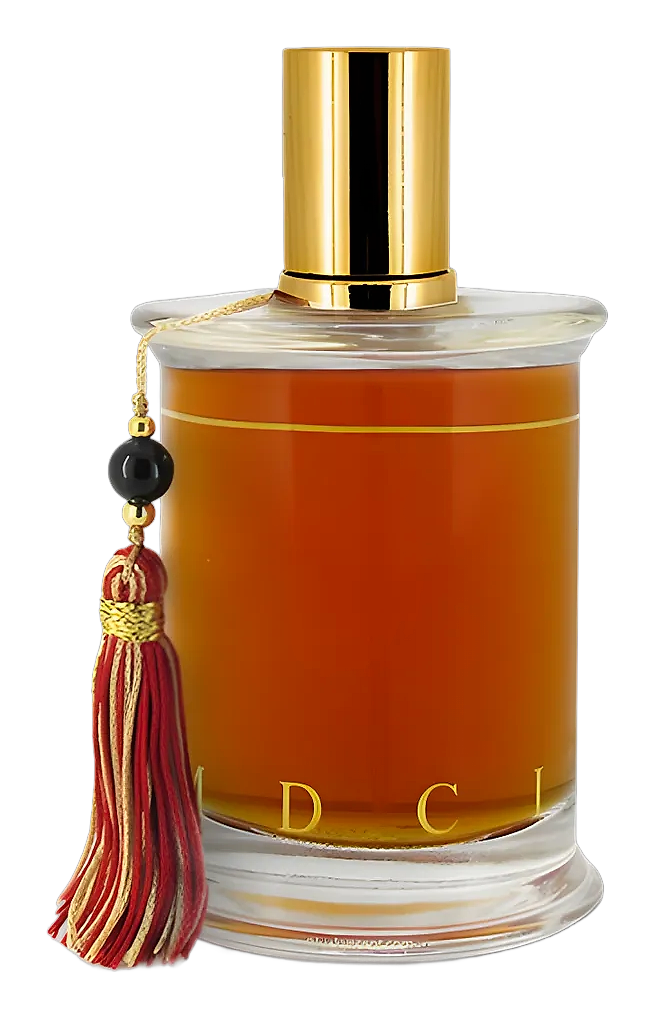
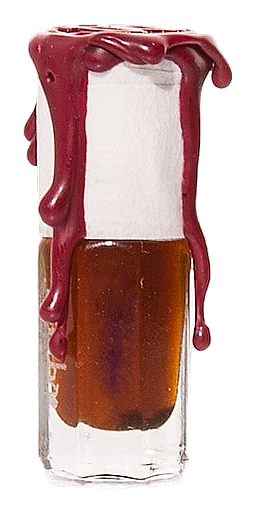
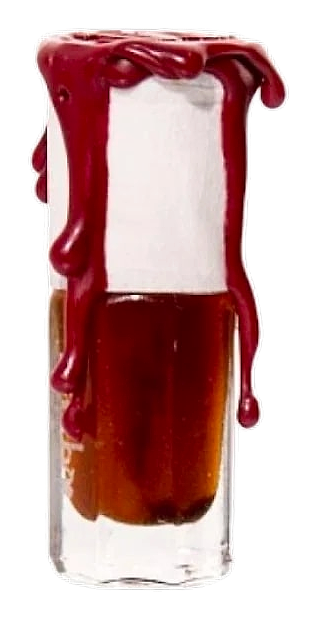
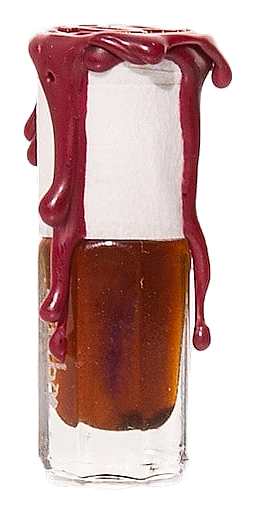
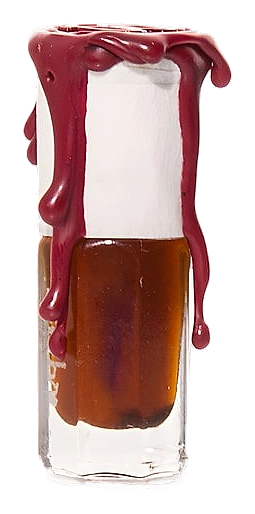
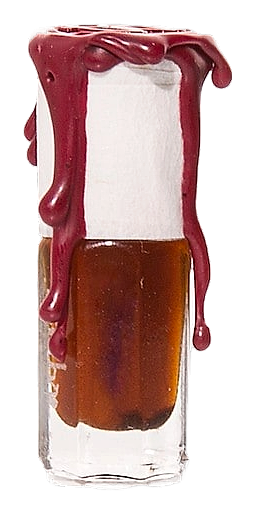
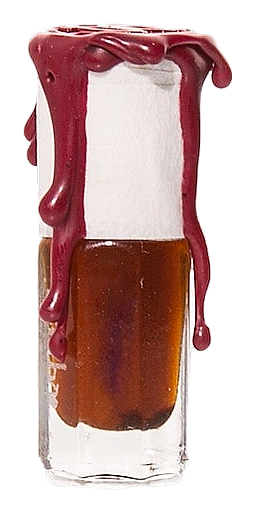
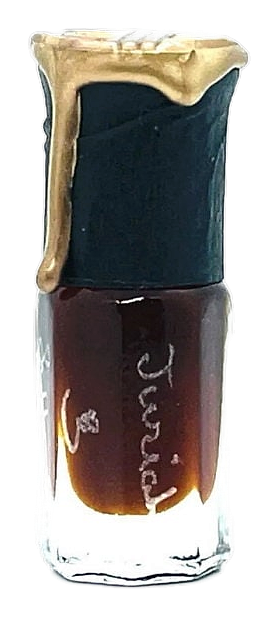
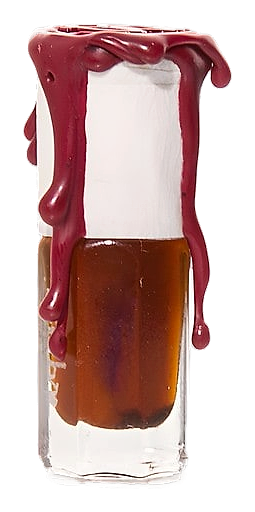
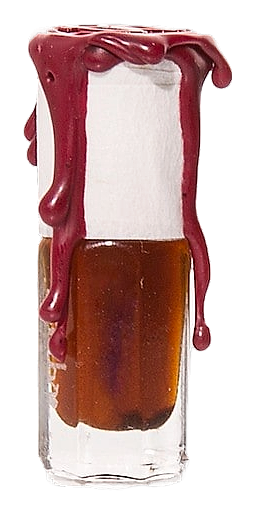
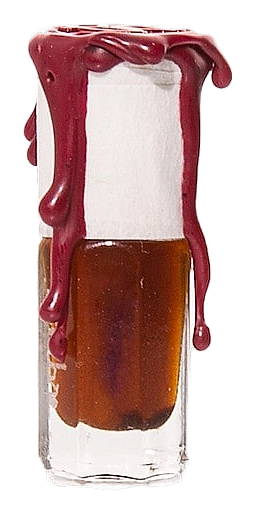
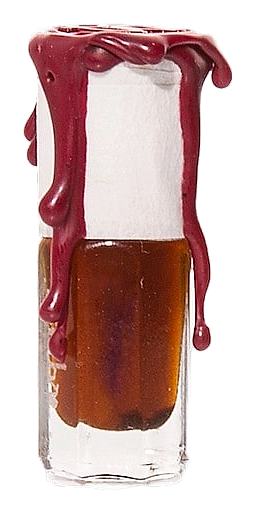
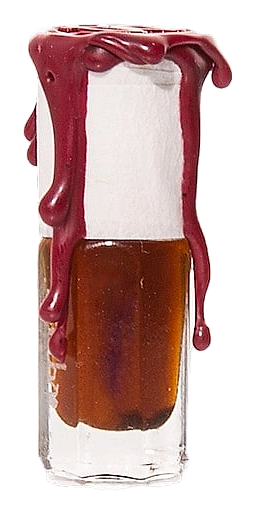
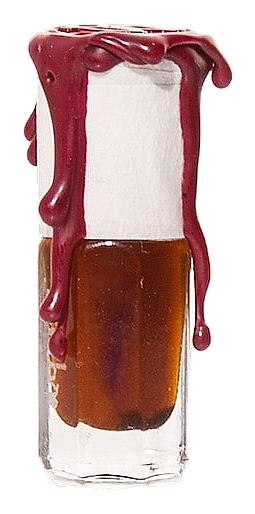
Âme Sombre Grade 1 arrived in 2014 from Sultan Pasha, a London perfumer whose attar work blends Bangladeshi heritage with Middle Eastern olfactory tradition. The name points toward a shadowed soul, and the composition follows that cue into darkness and warmth. Incense opens the door, Persian rose otto and saffron strike the first blow, and the whole thing leans heavily into resin, smoke and spice rather than brightness. For Sultan Pasha, this fits a house philosophy built on the idea that a scent should summon a specific place or moment. Âme Sombre Grade 1 lands somewhere between a temple at dusk and a private room later that night.
The structure is what makes this one worth lingering over. Incense appears twice, once at the top and again in the heart, so the smoke never fully leaves. Rose arrives in two distinct forms, a Persian otto and a Bulgarian absolute, which reads less like a soft bouquet and more like rose petals dropped into a censer. Saffron gives the opening heat, then honey and amber take over as the warmth deepens. Down below, tobacco, Indian oud and hyraceum build a base that is animalic and balsamic without becoming sweet in the obvious way. It's a dense architecture where every layer carries weight.
The evolution
The opening arrives with swagger, saffron cutting through rose and incense smoke like a blade drawn slowly. Then the heart takes over. Bulgarian rose absolute and honey soften that initial heat without ever losing the resin, and jasmine drifts through like smoke caught in a still room. What follows is the part people remember: the base settles into tobacco, beeswax and patchouli, with Indian oud and hyraceum adding a skin-warm, almost leather-like depth. The cumin and juniper keep a quiet spice running underneath, so it never turns flat. By the drydown, this is a dark amber and woody scent that stays close to skin, carrying for 8-10 hours and still leaving a trace of honeyed smoke on fabric the next morning.
Cultural impact
Âme Sombre Grade 1 sits in the small circle of incense-led compositions that wearers turn to when they want weight without volume. Within Sultan Pasha's catalogue, it stands apart from the leather-and-honey direction of Cuir au Miel and the chypre framing of Encens Chypre, which arrived the following year. Community wearers describe it with a distinctly church-corridor image, one describing the opening as flooding gloomy church corridors with lemony rose. The name is French, the structure is Middle Eastern, and the maker works from London. That blend of registers is exactly what attracts people who treat fragrance as a considered ritual rather than a finishing touch.
The House
Sultan Pasha AttarsSultan Pasha Attars is a London‑based atelier that creates oil‑based attars using natural raw materials. Founder Sultan Pasha blends his Bangladeshi heritage with the olfactory traditions of the Middle East, offering scents such as Cuir au Miel (2013) and Juriah Privé (2024). The house focuses on hand‑crafted compositions that unfold on fabric or skin, appealing to collectors who value authenticity and depth.
The Creator
Sultan PashaSultan favors a laboratory‑like precision, layering accords in a stepwise fashion that mirrors a chemical reaction. He often begins with a bold base—amber, labdanum, or oud—then adds a bright middle such as chrysanthemum, cardamom, or incense.