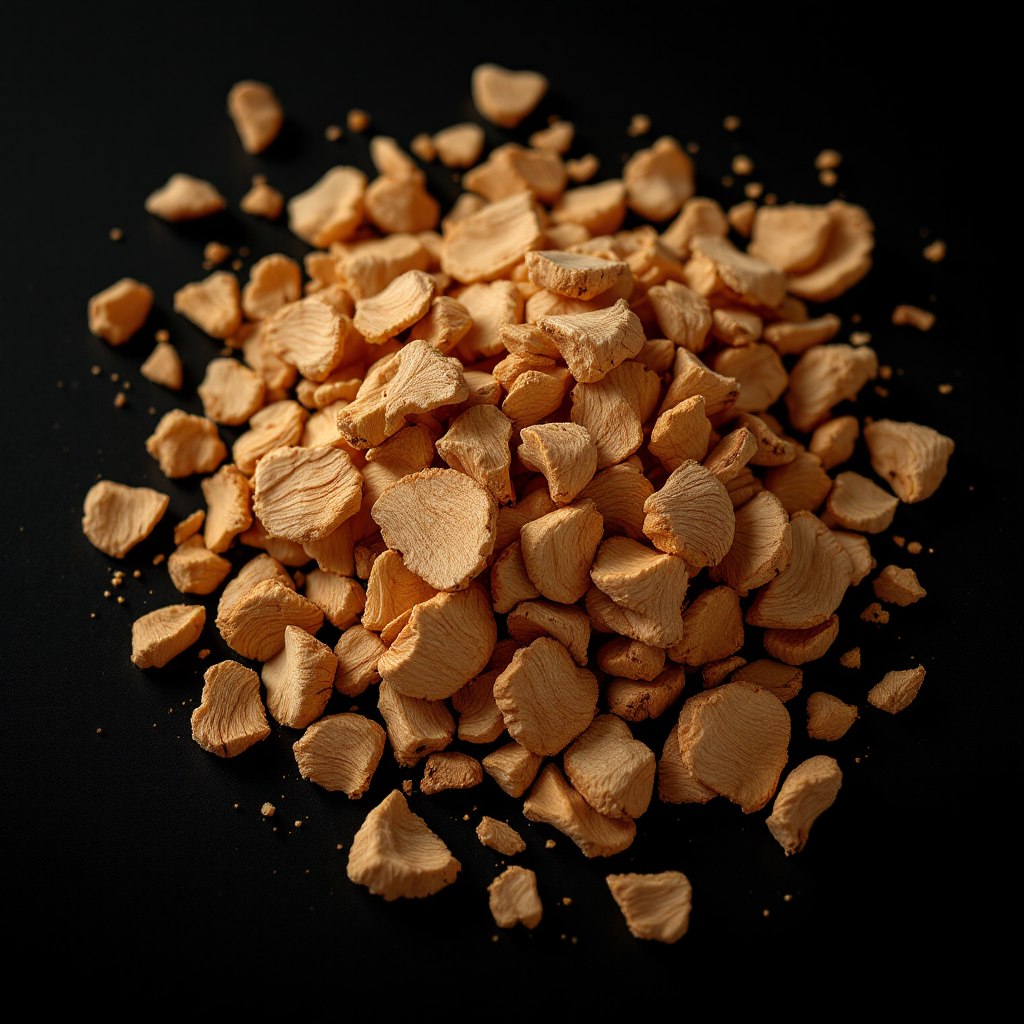
Indian Oud
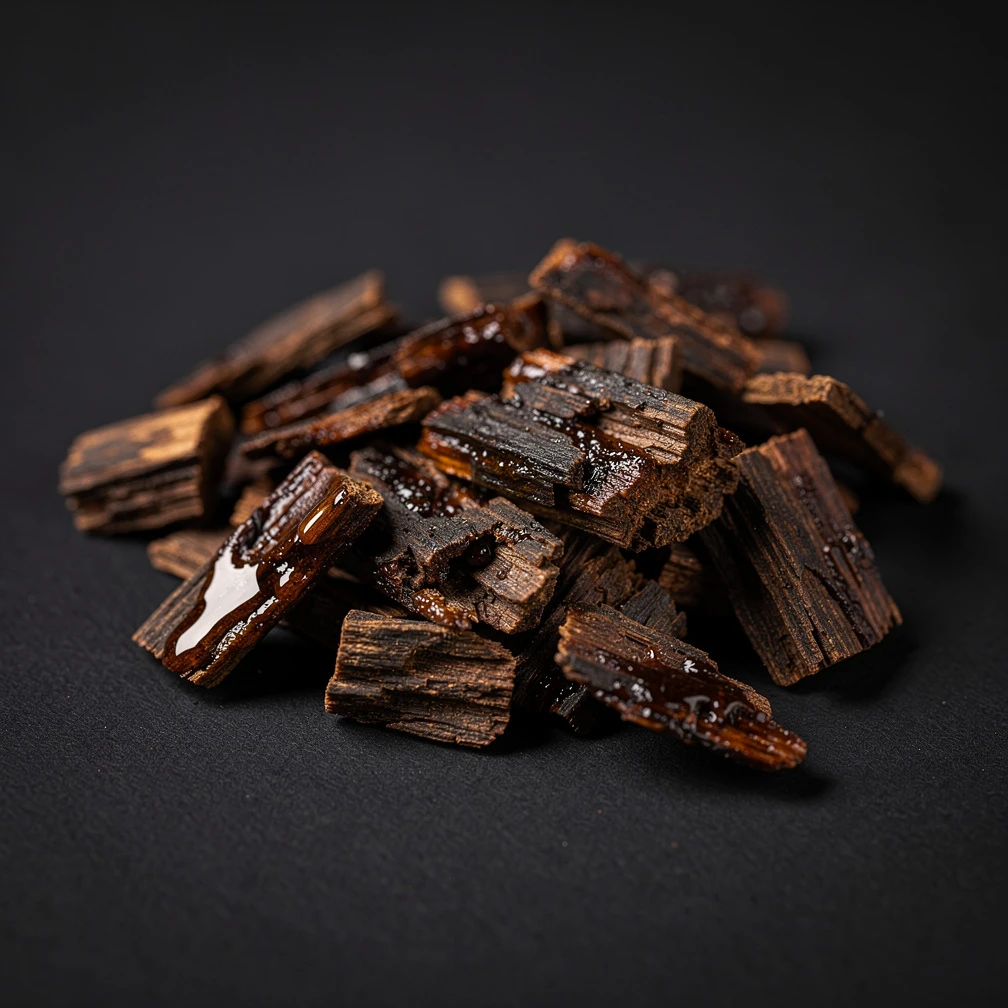
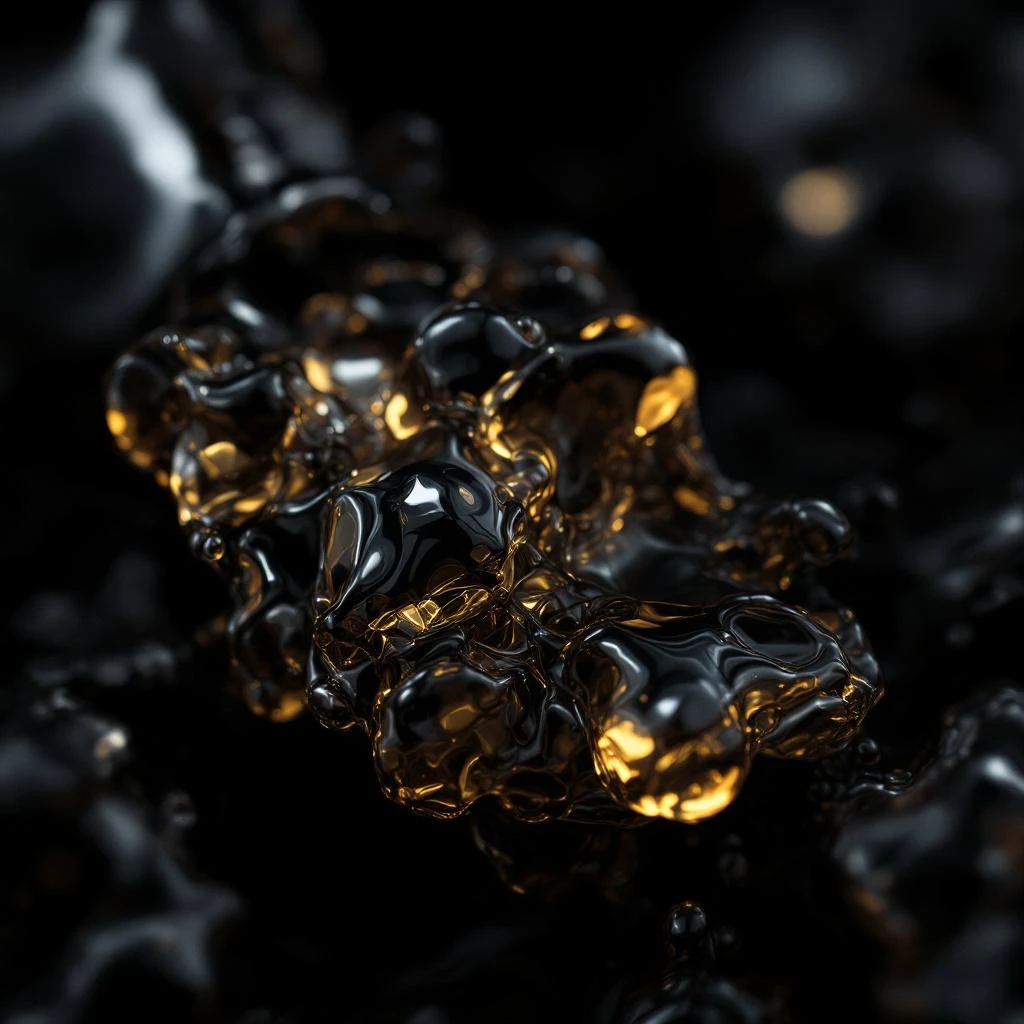
Indian oud is the resinous heartwood of Aquilaria trees grown in the subcontinent's tropical forests, prized for its deep, animalic warmth and centuries of ceremonial reverence.
Character
How it smells
Ancient resin, forest-born fire
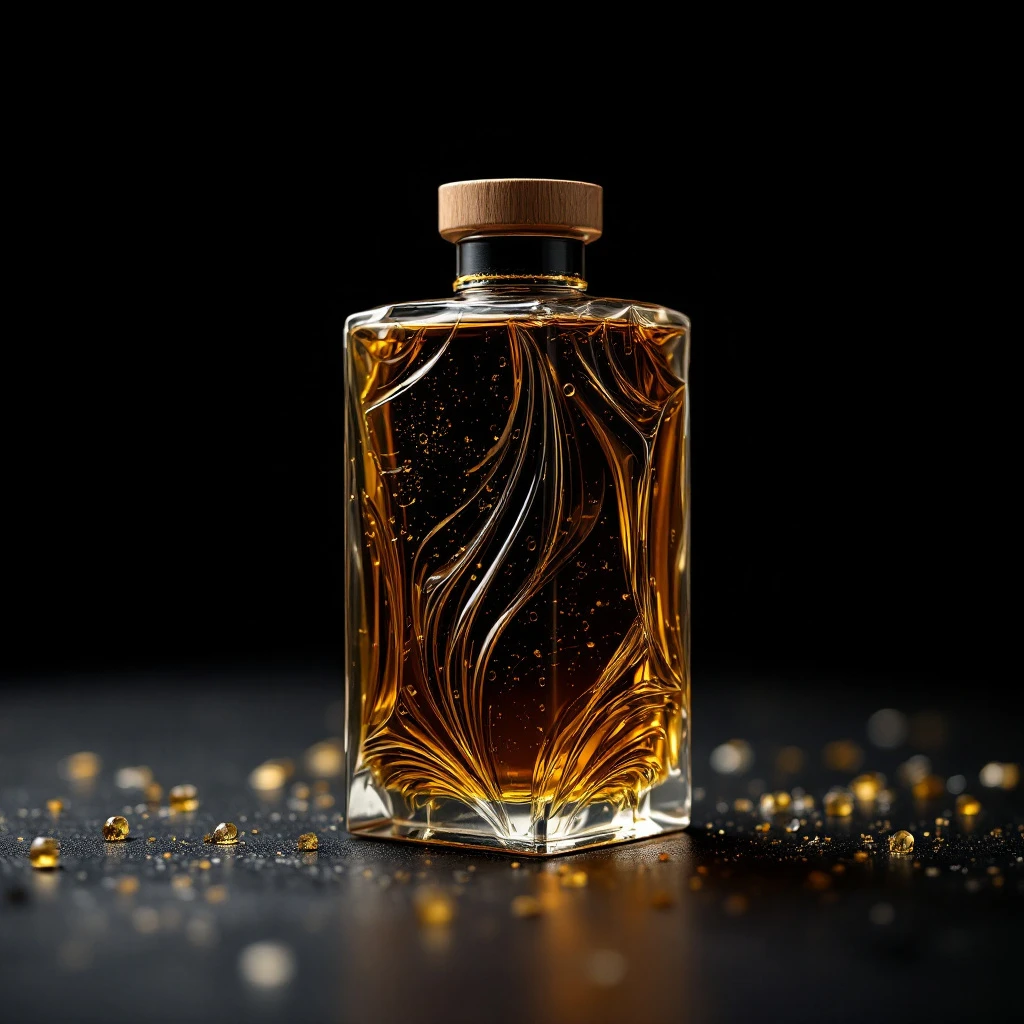
Indian oud distillation can take up to 20 days per batch, far longer than the typical 2 to 3 days for most essential oils, which is why genuine Indian oud ranks among the costliest perfume materials on Earth.






Origin
India
Oud's documented history stretches back more than 3,000 years, with the earliest references appearing in Sanskrit and Chinese medical texts. Indian Ayurvedic practitioners classified agarwood as a heating, purifying substance, burning it as incense during rituals and prescribing it for digestive and respiratory ailments.
The Sushruta Samhita, an ancient surgical text, references agarwood's medicinal properties, while Kautilya's Arthashastra mentions its role in royal treasuries. Indian traders carried oud along established incense routes linking the subcontinent to Persia, the Roman Empire, and later the Arabian Gulf. By the medieval period, Assamese forests had become a primary supply source for Middle Eastern perfumers, who prized Indian chips for their density and resin content.
Mughal-era courts elevated oud to a symbol of hospitality and wealth. Nobles wore oud-infused attars, and guests were offered agarwood chips to burn in mabkharas, traditional incense burners. This tradition persists today across South Asia and the Gulf, where oud remains a staple of weddings, religious ceremonies, and daily fragrance rituals. Indian oud's reputation for depth and longevity keeps it at the center of classical attar formulation.
Wears it best
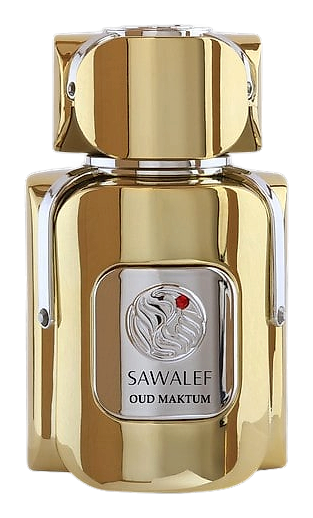
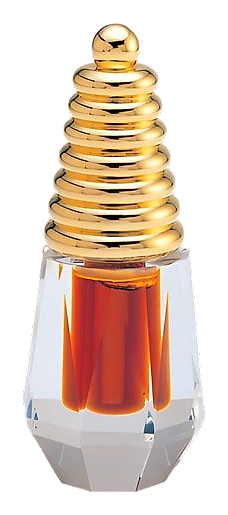
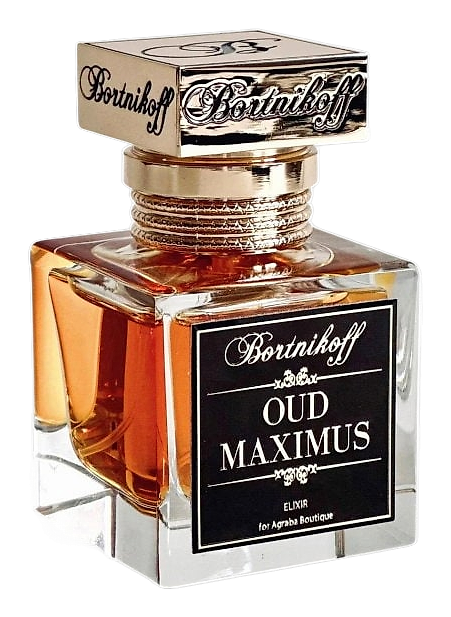
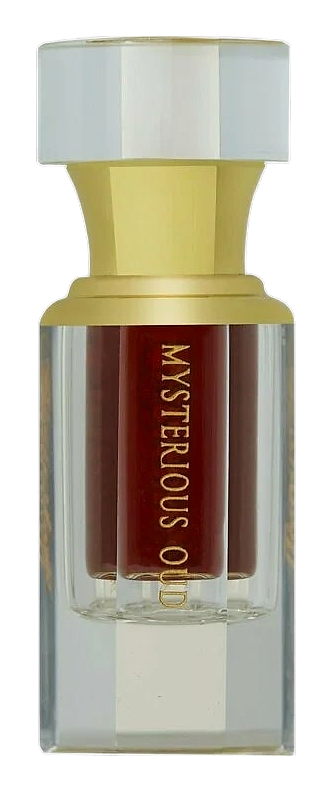
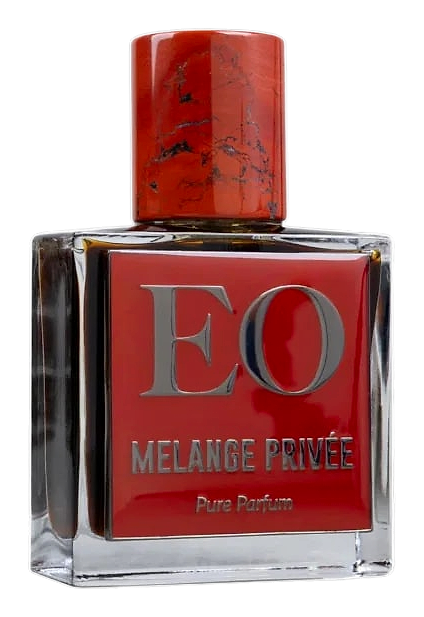
Fragrances featuring Indian Oud
Brands
Brands known for Indian Oud
Good to know
Questions, answered
The essentials on Indian Oud in perfumery: how it smells, where it comes from, and how it behaves on skin.
What makes Indian oud different from Cambodian or Laotian oud?
Indian oud tends to be denser and more animalic, with pronounced barnyard and leather facets. Cambodian oud often reads sweeter and fruitier, while Laotian oud typically sits between the two with floral undertones. These differences stem from regional Aquilaria species, soil composition, and distillation duration.
Why is Indian oud so expensive?
Low yields drive the cost. Roughly 20 kilograms of resin-saturated heartwood yield only 10 to 20 milliliters of premium oil, and some trees take decades to develop usable resin. Extended 15 to 20 day distillation cycles add further labor expense.
Is Indian oud sustainable?
Wild harvesting has strained Aquilaria populations, and Aquilaria species are now listed under CITES Appendix II. India operates cultivated plantations using inoculated trees, which now supply most commercial Indian oud and reduce pressure on wild forests.
How long does Indian oud oil typically age before sale?
Many Indian producers age distilled oud in sealed containers for 3 to 12 months before release. This maturation softens harsh top notes and deepens the balsamic base, yielding a rounder, more complex profile.
What does Indian oud smell like compared to synthetic oud?
Natural Indian oud shows complex layers of leather, barnyard, smoke, and dried fruit that evolve over hours on skin. Synthetic oud compounds, typically cashmeran or ISO E super blends, offer a flat woody impression without the animalic depth or longevity of the genuine resin.
Can Indian oud be worn daily or is it only for special occasions?
Indian oud works at any concentration. Heavier oils suit evening wear and cooler months, while lightly diluted applications or oud-based attars function well as daily signatures, especially in South Asian and Gulf fragrance traditions.
What is the difference between Indian oud oil and oud chips?
Oud oil is the hydro-distilled liquid extracted from resin-rich heartwood. Oud chips are the raw, scented wood pieces sold for home burning in incense burners or mabkharas. Chips release aroma through smoke, while oil disperses through skin contact.
Are there different grades of Indian oud oil?
Yes. Indian producers commonly sort oils into grades based on distillation length and wood quality. Grade A oils come from the heart of older trees with long distillation runs, yielding the darkest, most resinous profiles. Lower grades come from younger wood or shorter runs and smell lighter and woodier.