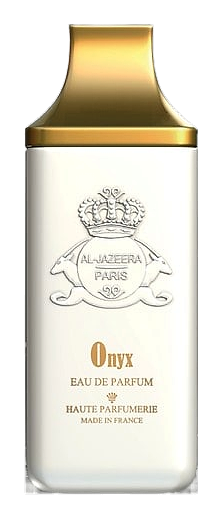
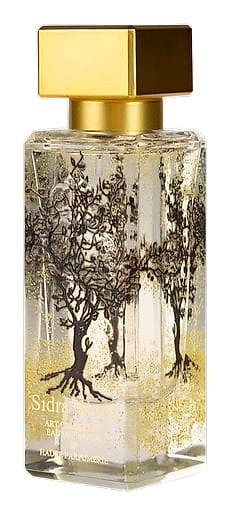
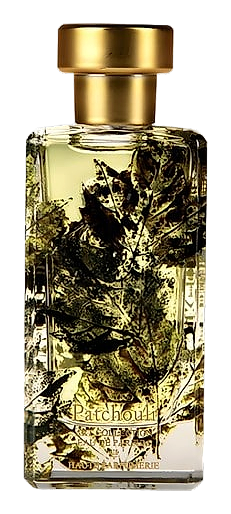
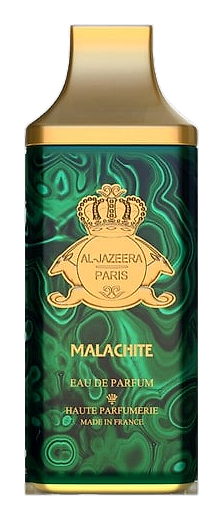
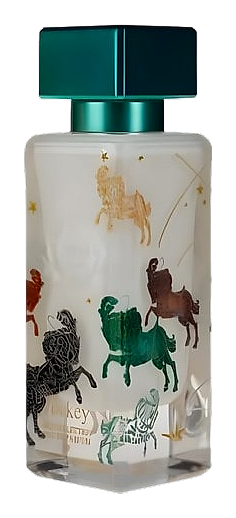
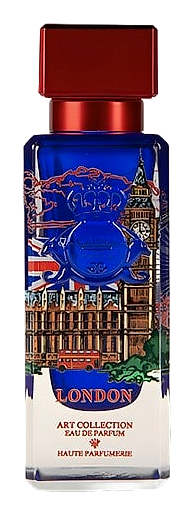
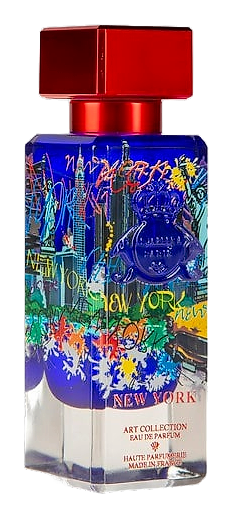
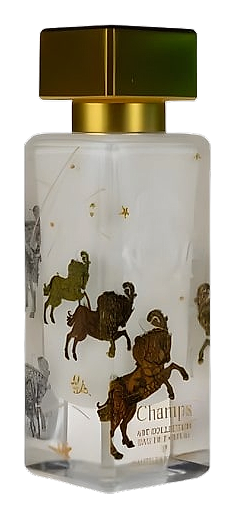
The Heritage
The Story of Al-Jazeera Perfumes
Al‑Jazeera Perfumes is a Qatar‑based fragrance house that began operations in 1998. Over more than two decades the brand has built a catalogue that spans classic oud‑rich scents and contemporary accords such as Smoky Amber (2025) and Grand Palais (2018). Its retail presence includes flagship counters in Doha’s Vendome Mall, Qatar Mall and Hazm Mall, where shoppers encounter a curated selection of over three hundred fragrances. The house balances regional heritage with a modern retail experience, offering both niche creations and approachable daily wear.
Heritage
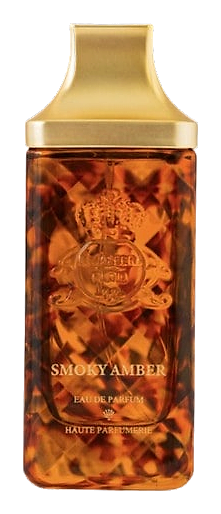
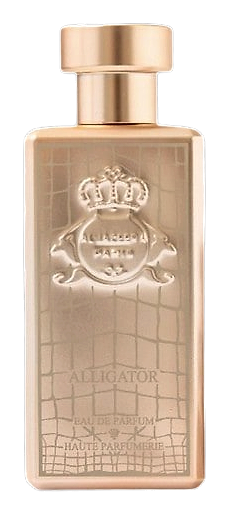
The story of Al‑Jazeera Perfumes starts in 1998 when a group of Doha entrepreneurs launched a specialty perfume shop under the name Al‑Jazeera. The founders, whose identities are recorded in the company’s registration documents filed with Qatar’s Ministry of Commerce, aimed to provide a local alternative to imported European brands. Within the first five years the shop expanded from a single boutique to a small chain of outlets across the capital, capitalising on Qatar’s growing appetite for luxury goods during the early 2000s. By 2005 the brand opened a dedicated production workshop in the industrial district of Al‑Wakra, where it began blending its own oils rather than relying solely on third‑party distributors. The workshop introduced a modest laboratory equipped for steam distillation and cold‑press extraction, allowing the house to experiment with native ingredients such as Omani frankincense and Saudi oud. In 2013 Al‑Jazeera released Emerald, a green‑oriented scent that marked its first foray into a thematic series. The following year the brand celebrated its fifteenth anniversary with a limited‑edition collection that highlighted traditional Arabian accords. A notable milestone arrived in 2018 with Grand Palais, a fragrance that referenced the historic Parisian exhibition hall and signalled the house’s willingness to engage with global cultural references. The year 2022 proved prolific, delivering three launches—Champs, Santorini and Patchouli—each reflecting a different geographic inspiration. In 2025 the house introduced Smoky Amber and Alligator, two scents that combine smoky ambergris notes with modern synthetic accords, underscoring the brand’s continued investment in research and development. Throughout its history Al‑Jazeera has maintained a steady retail footprint in Qatar’s major malls while also exporting to selected Gulf markets, a strategy confirmed by trade data published by the Qatar Chamber of Commerce.
Craftsmanship
Production at Al‑Jazeera Perfumes takes place in a purpose‑built facility in Al‑Wakra that combines traditional distillation equipment with modern laboratory benches. Raw materials arrive from a network of verified suppliers: Omani frankincense resin is sourced from the Dhofar region, Saudi oud wood is procured from certified plantations in the Asir mountains, and French jasmine absolute is imported from Grasse under strict quality contracts. Once received, each ingredient undergoes a series of tests for purity, including gas chromatography for synthetic components and organoleptic evaluation for natural extracts. The blending process follows a tiered protocol: a senior perfumer creates a master formula, junior perfumers then produce pilot batches, and a quality panel assesses each batch for scent consistency, longevity on skin and compliance with regional fragrance regulations. The house employs both steam distillation for essential oils and supercritical CO₂ extraction for delicate aromatics, techniques that preserve the integrity of volatile compounds. After blending, the perfume is aged in stainless‑steel vats for a period ranging from three weeks to three months, depending on the composition’s complexity. Filtration follows aging, and the final liquid is decanted into hand‑filled bottles under controlled temperature and humidity. Each batch is logged in a digital ledger that records ingredient lot numbers, blending times and quality‑control outcomes, ensuring traceability from raw material to retail shelf. The brand’s commitment to quality is reflected in its decision to limit production runs for flagship scents, a practice that reduces the risk of over‑dilution and maintains the intended olfactory balance.
Design Language
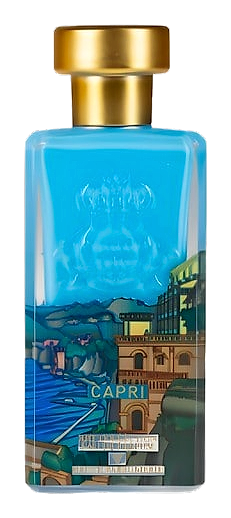
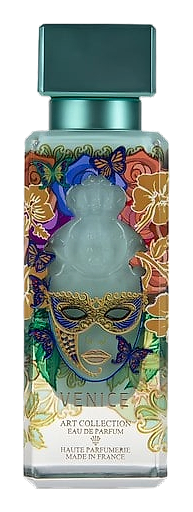
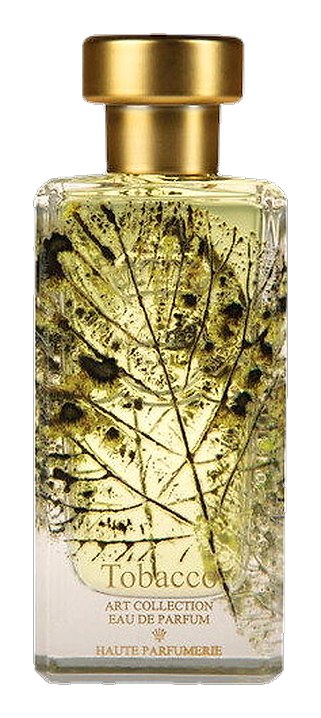
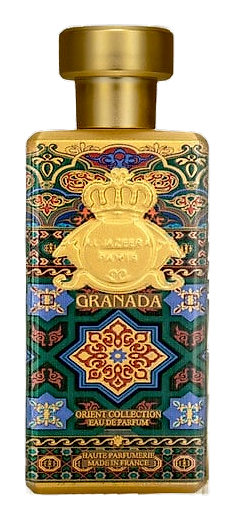
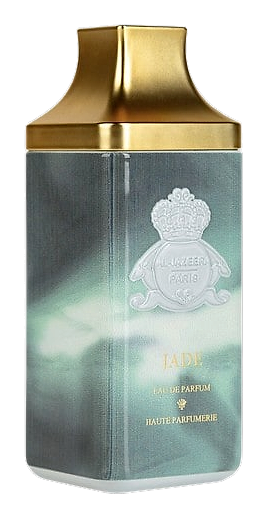
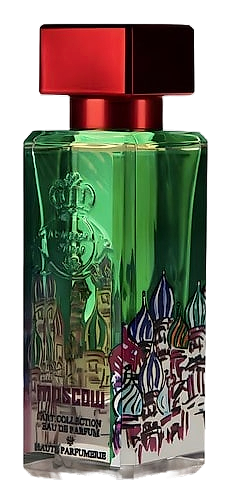
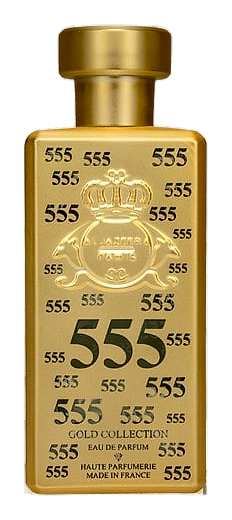
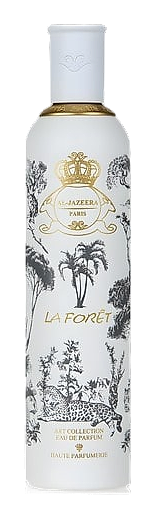
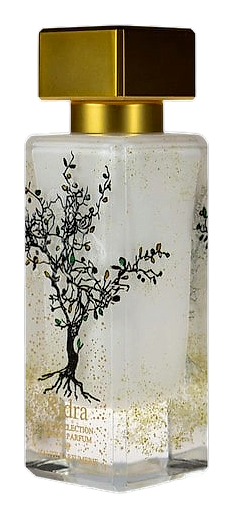
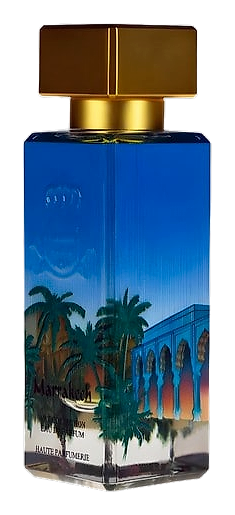
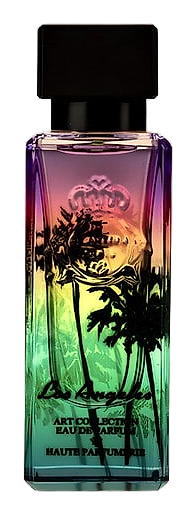
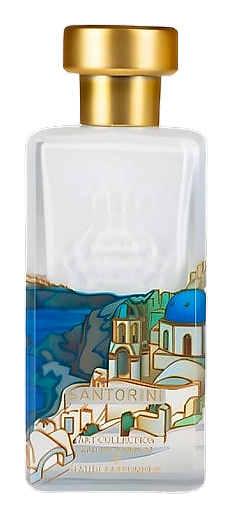
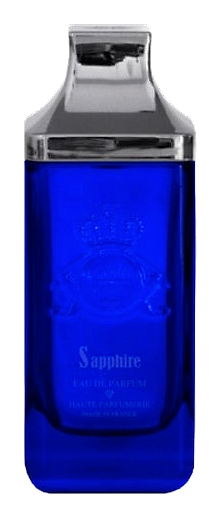
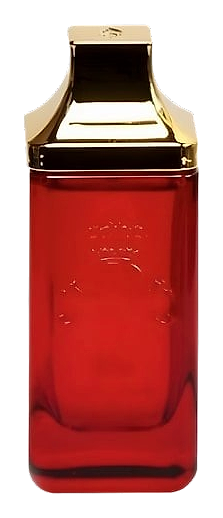
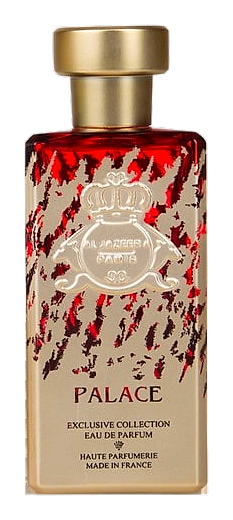
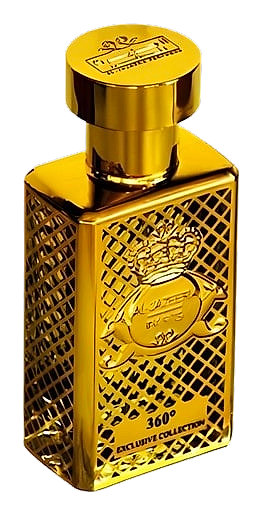
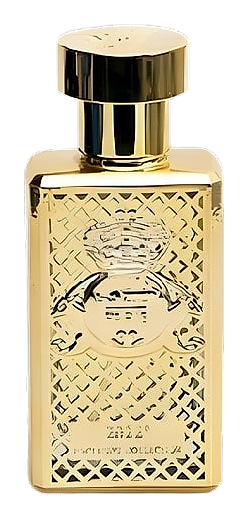
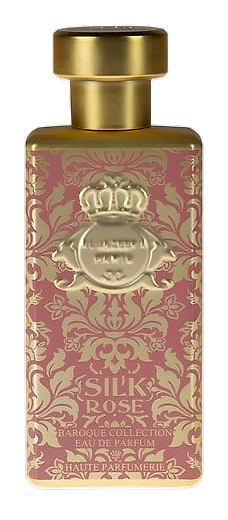
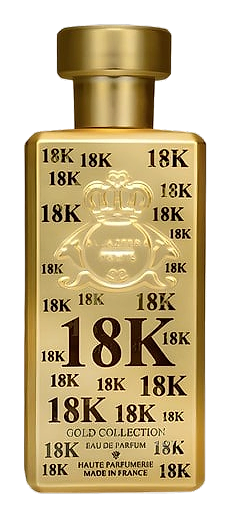
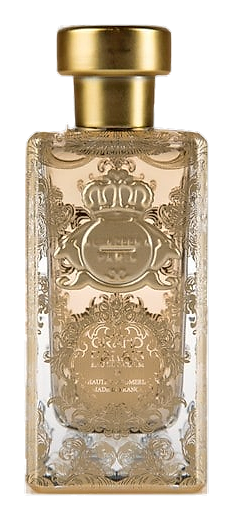
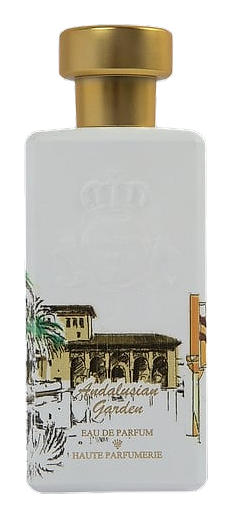
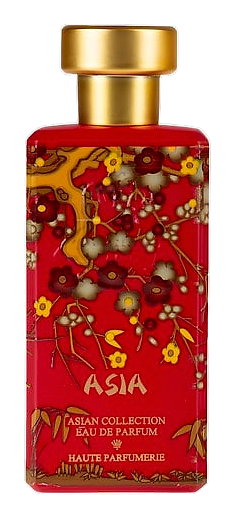
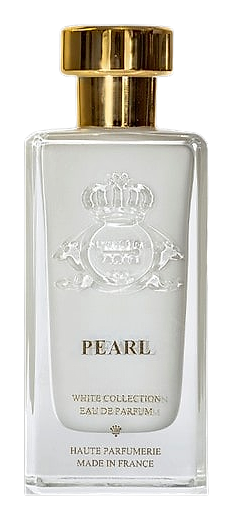
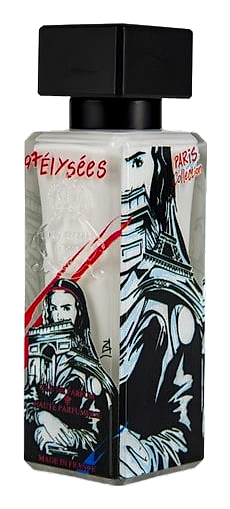
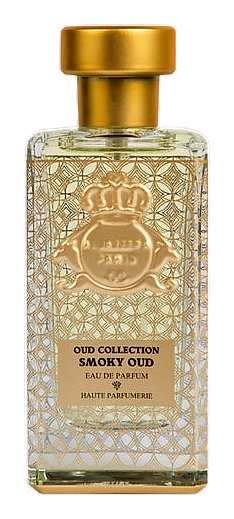
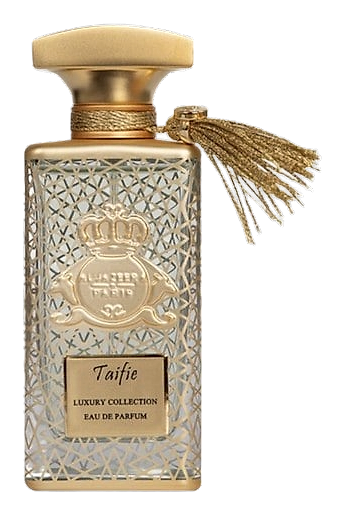
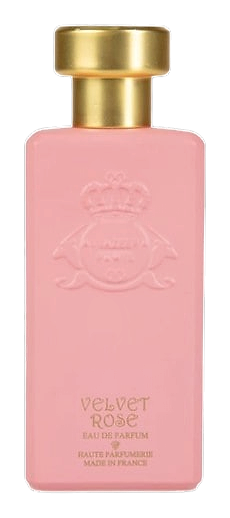
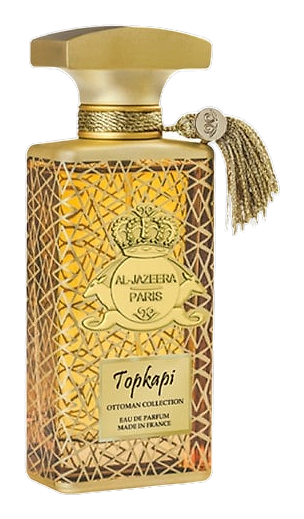
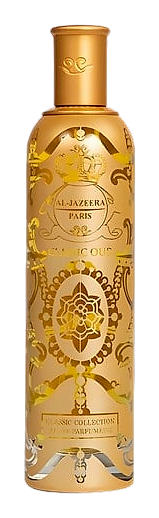
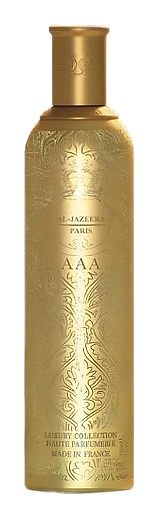
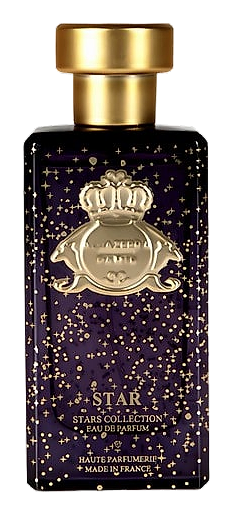
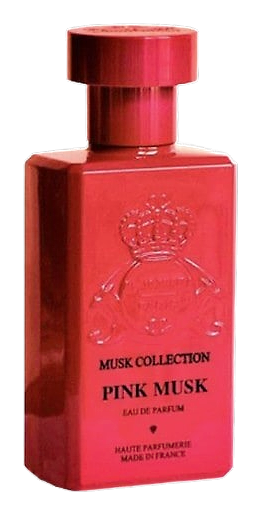
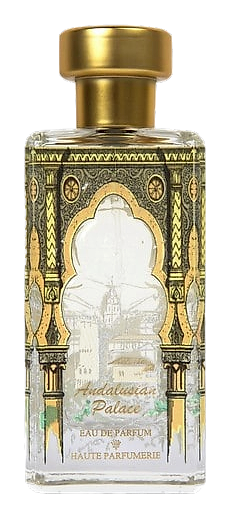
The visual language of Al‑Jazeera Perfumes draws on contemporary Arabic design while retaining a clean, minimal silhouette. Bottles are typically crafted from clear or frosted glass, allowing the perfume’s colour to become part of the presentation. Caps are finished in brushed gold or matte black, and the front of each bottle bears the brand name rendered in Arabic calligraphy that is custom‑designed for each launch. For example, the Grand Palais edition features a stylised arch motif that references the historic Parisian pavilion, while the Santorini fragrance incorporates a wave‑like line that suggests the Aegean sea. Packaging boxes use heavyweight matte paper with subtle embossing of geometric patterns inspired by Islamic art; a thin foil strip often highlights the fragrance’s launch year. Store interiors echo this aesthetic, with polished marble countertops, soft ambient lighting and display shelves that showcase the bottles at eye level. The overall brand image conveys a sense of understated elegance, inviting customers to explore the scents without the distraction of overly ornate branding.
Philosophy
Al‑Jazeera Perfumes positions its creative vision around the idea of scent as a bridge between place and memory. The house states that each fragrance should evoke a specific landscape, whether the spice‑laden souks of Doha or the sun‑kissed cliffs of Santorini. This narrative approach is reinforced by the brand’s emphasis on authenticity: natural extracts are sourced from regions that share a cultural link with the fragrance’s theme, while synthetic ingredients are employed only when they enhance stability or longevity without compromising the scent’s character. The company’s values include respect for traditional Arabian perfumery techniques, transparency in ingredient disclosure, and a commitment to sustainable sourcing. In practice, the brand collaborates with regional farmers who harvest frankincense, myrrh and sandalwood using methods that minimise waste. Al‑Jazeera also supports local artisans by commissioning Arabic calligraphy for its packaging, thereby integrating visual art with olfactory design. The brand’s approach to perfumery is therefore a dialogue between heritage and innovation, where each new launch is framed as a chapter in an ongoing story rather than a standalone product.
Key Milestones
1998
Al‑Jazeera Perfumes founded in Doha, Qatar
2005
Opened in‑house production workshop in Al‑Wakra
2013
Launched Emerald, first scent in a thematic series
2018
Released Grand Palais, marking a shift toward globally inspired narratives
2022
Three new fragrances—Champs, Santorini, Patchouli—entered the portfolio
2025
Introduced Smoky Amber and Alligator, showcasing advanced synthetic‑natural blends
At a Glance
Brand profile snapshot
Origin
Qatar
Founded
1998
Heritage
28
Years active
Collection
1
Fragrances released
Avg Rating
4.3
Community sentiment
Release Rhythm


