The Story
Why it exists.
The beginning
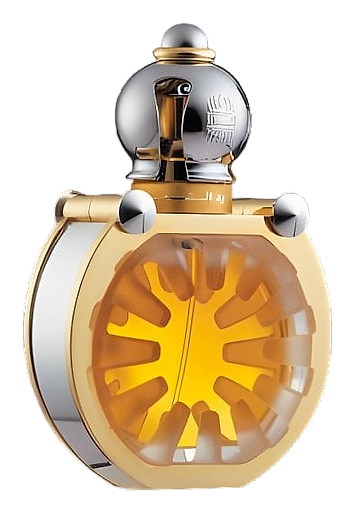
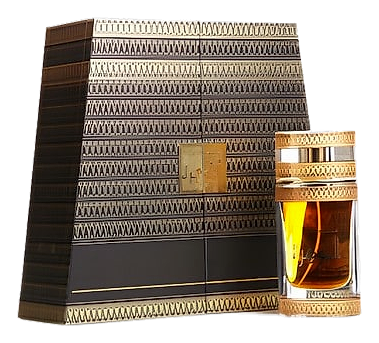
Oud Al Jawhara arrived in 2014 from Arabian Oud, a house whose relationship with oud runs deeper than trend cycles. The name carries cultural weight in Arabic, suggesting something precious at the center of a material rather than on its surface. Across their catalog, the conversation is consistent: resin treated as a wearable material, not a relic. This composition sits comfortably inside that thread. It doesn't shout for attention or position itself as the most experimental thing on the shelf. It reads as a confident statement that oud belongs in daily rotation, worn close to skin rather than saved for occasions. A bottle that assumes you already know what oud is and trusts you to wear it accordingly.
What makes the structure interesting is what it refuses to do. The listed architecture runs oud, rose, saffron, sandalwood, and amber across top and heart without leaning on citrus or bright top notes to provide lift. That restraint is deliberate. It trusts the materials to carry each other through the wear. Oud brings depth and a leathered darkness, rose lends softness without sweetness, saffron threads warmth through both, and sandalwood grounds everything in something almost milky. None of these elements compete for attention. They share the space, each one holding a specific job.
The evolution
The opening has no negotiation period. Oud arrives first, already settled, as though it has been on skin for twenty minutes before the bottle even opened. Within the first few minutes, the saffron cuts in, not sharp but warm, the way dry heat feels against stone. Rose appears almost immediately too, not as a floral statement but as a softening agent, pressing against the oud's rougher grain. Sandalwood grounds the whole thing early, and the composition stops introducing itself sooner than most oud releases. The drydown is where Oud Al Jawhara earns its reputation. It loses almost nothing. The oud deepens rather than fades, turning from resinous to something almost mineral, like wood after rain. Rose thins into a memory rather than a presence, still detectable in the close sillage but no longer leading.
Cultural impact
Oud Al Jawhara reads as a steady, confident composition for wearers who already know what they want from oud. It's not designed to convert skeptics or chase the loudest projection in the room. It rewards people who appreciate resin treated as a daily material rather than a statement piece for special occasions. Within oud-forward wardrobes, it functions as something reliable, a bottle that goes into regular rotation without requiring a particular mood or setting. The fragrance asks for time on skin and patience through the first hour, then settles into something close and personal that doesn't demand attention.