The Story
Why it exists.
The beginning
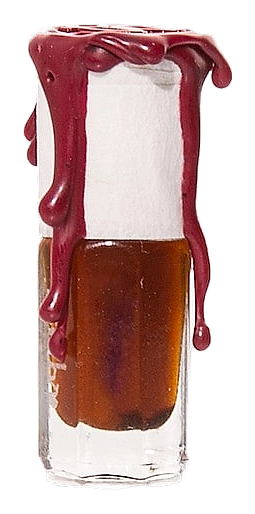
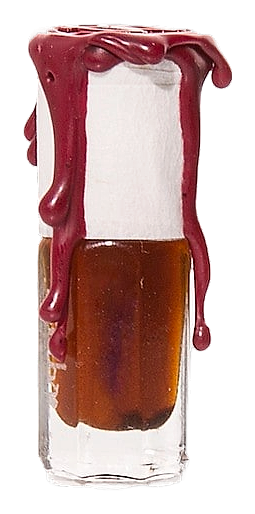
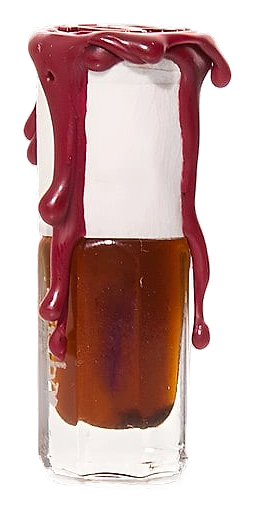
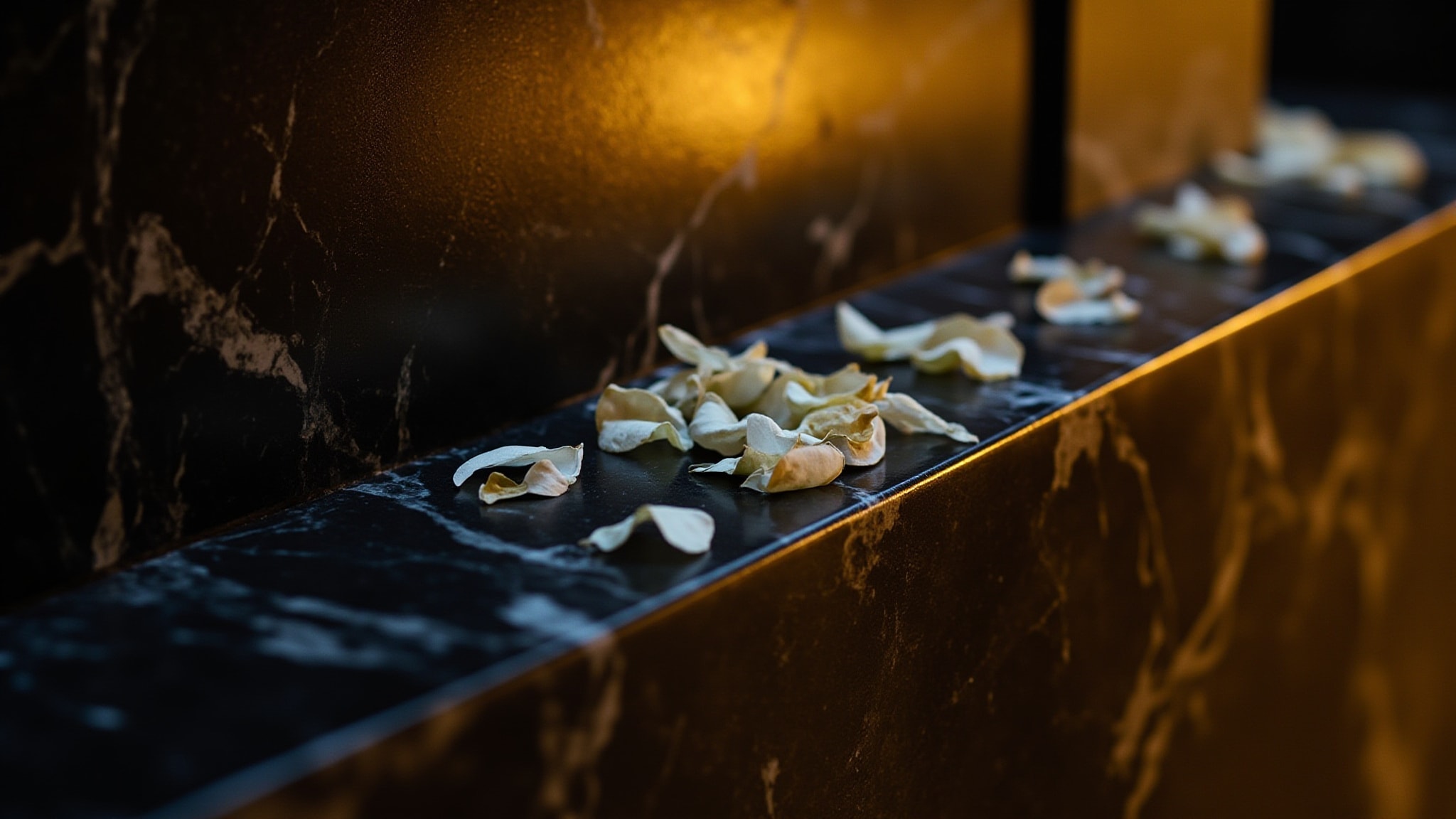
Sultan Pasha named this attar Al Lail, The Night, for a reason that runs deeper than atmosphere. The official copy describes walking home in the evening with his mother, a child's hand in hers, when jasmine sambac and the night queen flower would drift across the walls in a wave of scent that stopped them both in their tracks. Those few minutes of the day, that transition from light to dark, became the creative brief. Not a literal recreation. A translation of a feeling into something you could carry with you. Al Lail is the result, the night distilled into oil form, built from materials that carry memory rather than trend.
What makes this composition unusual is how it handles its own animalic nature. Civet is not hidden here, it's not softened or sugared into submission. Instead it exists in dialogue with Bulgarian rose absolute and beeswax, creating a sweetness that bites back. The jasmine sambac from the origin story isn't listed in the official pyramid, but its ghost is present in the orange blossom and auriculatum jasmine that fill the heart. Siam benzoin and opoponax add a resinous warmth that grounds the florals without flattening them. The result is a fragrance that smells like something that has existed for a long time, not vintage in material, but ancient in spirit.
The evolution
Al Lail opens with a sharp citrus burst, Meyer lemon, lime, a whisper of absinthe, before the florals take over. The transition is not gradual. It arrives. Jasmine and orange blossom rise through beeswax and peach, turning the composition sweet and almost edible for a time. Then the civet emerges. Not dramatically, it's there as a warmth, a closeness, the smell of skin rather than perfume. Incense and ambergris layer underneath, adding a faint smoke and salt that stops the sweetness from becoming cloying. As the composition settles, sandalwood and patchouli emerge from the base, alongside a lingering ghost of musk that clings to fabric overnight. On paper, it smells like the evening it was named for, that liminal space between day and night when the air itself seems to shift.
Cultural impact
Al Lail occupies a specific and increasingly rare position in contemporary perfumery, it is openly, unapologetically animalic. Civet and animalic notes have always been part of perfumery's vocabulary, lending warmth and a sense of living presence that can be difficult to achieve through other means. A fragrance that wears its civet this prominently makes a statement. It is not trying to be pleasant in the broadest sense. It is trying to be true, to the memory it was named for, to the materials that make it possible, and to the wearer who chooses it. Those who connect with Al Lail tend to connect deeply.