The Story
Why it exists.
The beginning
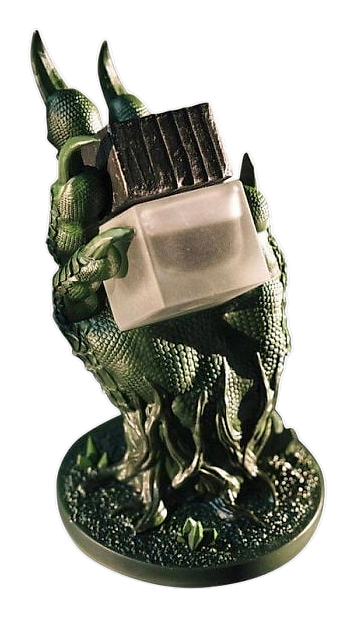
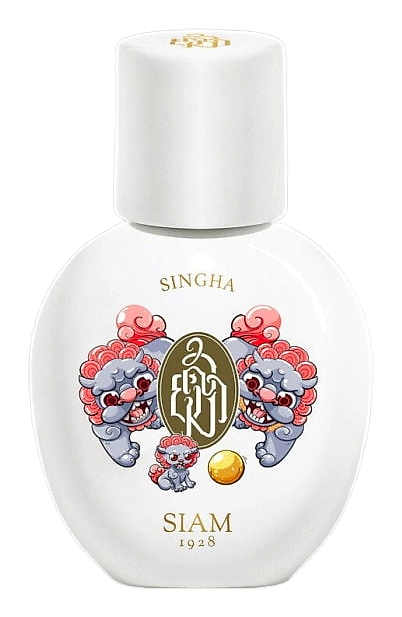
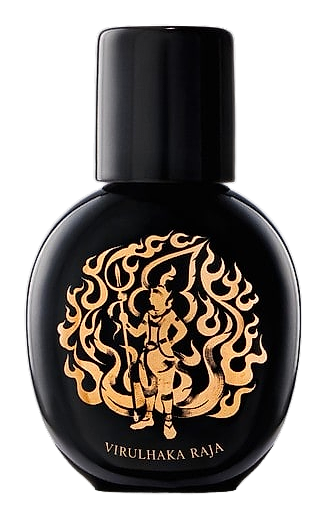
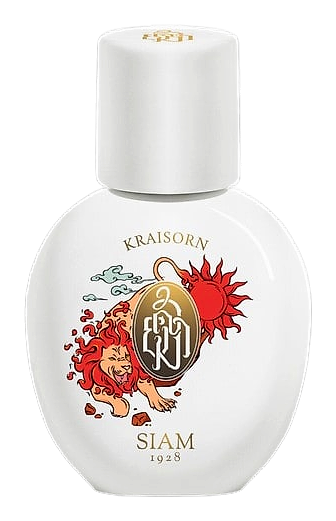
Kraisorn draws from a passage in the Vessantara Jataka, where a mighty lion appears, its mane, lips, tail, and claws blazing red. The creature is described as a wondrous beast whose radiance is so intense it approaches the divine. In the surrounding cosmological tradition, that same imagery feeds into a story where these lions are ground into powder, wrapped in red cloth, anointed with amrita, and through divine incantation called forth as Surya, the sun itself. The fragrance is part of the Four Rajas collection. Kraisorn takes that myth of transformation as its starting point, a creature that is unmade and remade, its flesh converted into the source of light.
The placement of ash as a heart note gives Kraisorn its central tension. Rather than functioning as a residue at the base, ash sits at the core of the composition, and the burning reads as something happening in the present tense, on skin, in real time. The plai works against that ash with its own cool, rhizomatic sharpness, a root that carries its own kind of dryness, almost camphoraceous, pulling the embers in a more mineral direction.
The evolution
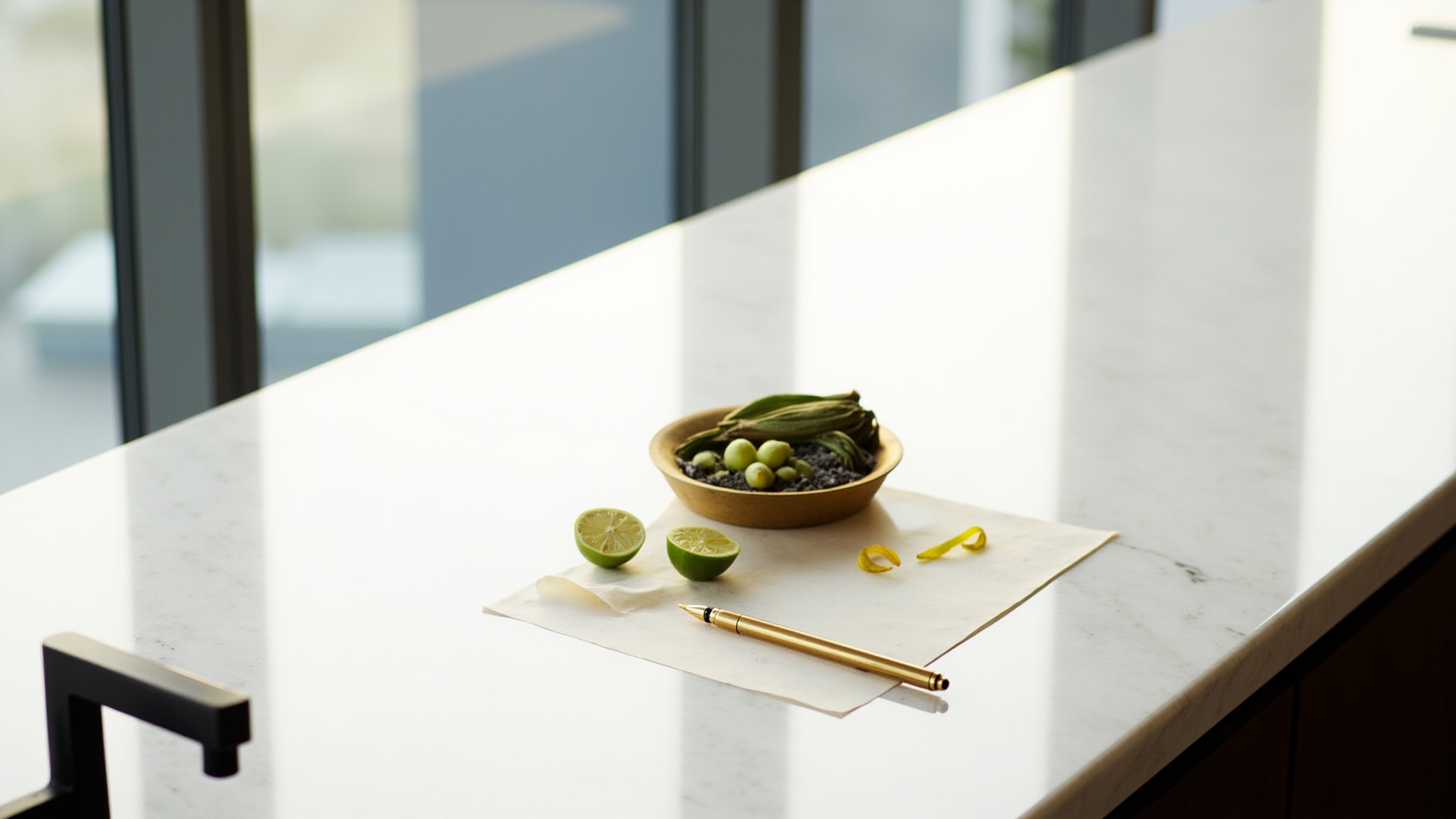
Kraisorn opens with a bright, green-citrus burst where kaffir lime and lemongrass lead, sharp and almost citronellic, the kind of brightness that reads more like crushed leaf than fruit. Cardamom arrives quickly, warming the opening with its slightly sweet, spicy edge, and the cumin begins to uncoil beneath the citrus, adding a darker, more animal undertone that keeps the top from reading as simple or clean. As the citrus recedes, the plai makes its presence felt, a cool, almost medicinal sharpness that grounds the composition and pushes it away from any standard tropical reading. Cedarwood and sandalwood build through the midphase, offering a dry, woody architecture that supports everything above and below. The incense note then rises to prominence, resinous and atmospheric, filling the space the citrus has vacated and giving the fragrance its ceremonial center.
Cultural impact
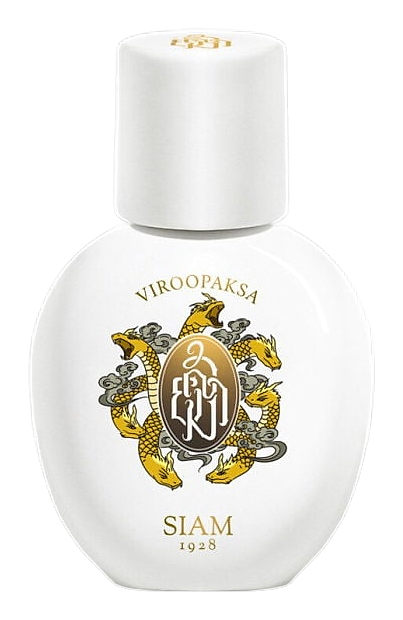
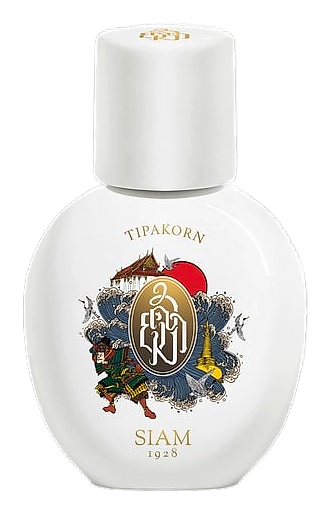
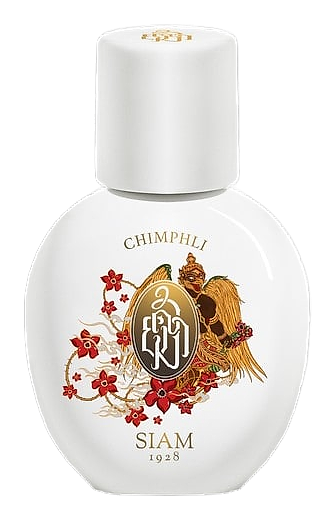
Kraisorn sits within the Four Rajas collection, a series built on the mythological kings and sacred beasts that populate Thai legend. The fragrance operates in smoky-resinous territory, the kind of scent profile that overlaps with incense and oud but carries its own regional inflection through ingredients like plai and kaffir lime. It reads as specific and culturally rooted, a composition that seems uninterested in courting a wide audience and instead commits fully to its own mythological premise.
The House
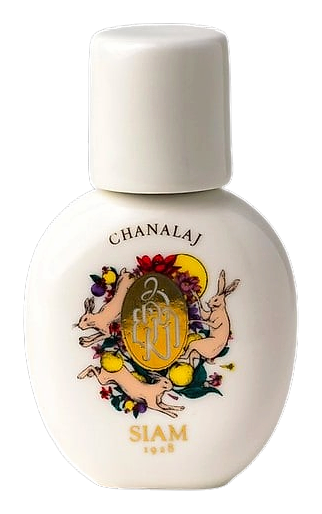
SIAM 1928SIAM 1928 is a Thai niche perfumery house founded in Bangkok in 2019 by Nutt Wesshasartar, who serves as both founder and perfumer. The house draws its name from the year Thailand began using the Gregorian calendar, marking a significant cultural transition point. SIAM 1928 creates fragrances that draw deep inspiration from Thai history, mythology, literature, and the natural landscape. Each scent functions as a narrative vessel, translating cultural stories and spiritual themes into olfactory form. The house operates as an independent artisan brand, producing limited collections that reflect a distinctly Thai perspective on perfumery. Nutt Wesshasartar develops all fragrances personally, combining traditional Thai aromatic materials with contemporary perfumery techniques. The brand has released multiple notable fragrances including Wasan, Rasvika, Chanalaj, Rosen Bridge, Aerapata, Sadayu, and the 2025 releases Kubera Raja, Akkhara, and Dhatarattha Raja.
The Creator
Nutt WesshasartarHer signature approach favors fresh, translucent compositions with a marked preference for botanicals native to Southeast Asia. Wesshasartar demonstrates particular skill with green and citrus elements, building fragrances that feel airy yet substantial.