
The Story
Why it exists.
The beginning
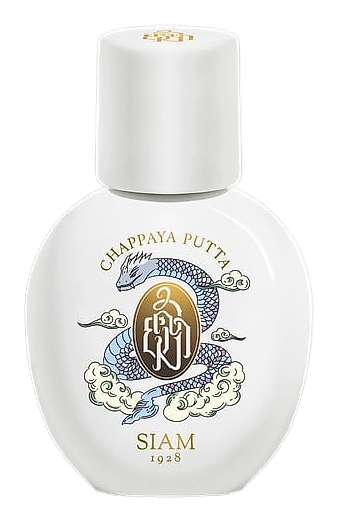
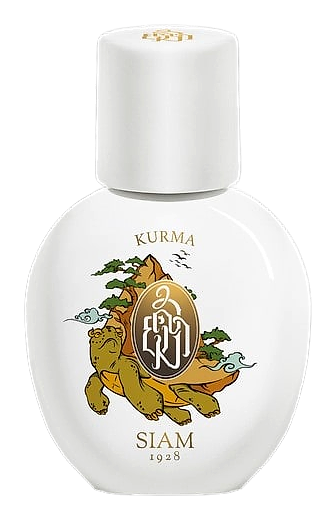
Kurma is the cosmic turtle at the bottom of existence, the second avatar of Vishnu. SIAM 1928 chose this name deliberately. The brand works in mythological weight, and Kurma carries its. When the fragrance opens with soy milk, that soft, sacred creaminess, it's referencing the ocean of milk from Hindu cosmology. The seaweed, the fig, the cedarwood: these are the notes of something ancient surfacing. The perfumer Nutt Wesshasartar built this fragrance to smell like a creation story you can wear. There's a quiet authority to the way the lactonic notes unfold, a gentleness that belies the mythic scale of its inspiration. Each element feels chosen with intention, as if the creator spent years listening to how these materials speak to one another.
What makes Kurma unusual is the combination of lactonic creaminess with marine minerality. The soy milk serves as the opening gesture, the first impression, deliberately soft and tender. The pandanus and shiso leaf add green complexity that adds depth beyond simple sweetness. The seaweed isn't oceanic in the traditional marine sense, it's more mineral, more grounding, like the smell of tide pools rather than open ocean.
The evolution
The opening of Kurma is all about the soy milk. It doesn't shout, it diffuses, warming on skin like milk left in the sun. The green notes arrive as the fragrance develops: shiso and violet leaf, clean and slightly medicinal, cutting through the cream. The kiwi is here too, subtle and tart beneath the lactonic wave. The fig emerges, soft, sweet, almost jammy, and the cedarwood settles in quietly. The seaweed never fully disappears; it lingers in the base, a mineral undertone that keeps the sweetness from becoming cloying. The drydown is where this fragrance earns its name: oakmoss and sandalwood, the grounded permanence of something that has always been here. Throughout the wear, there's a continuous conversation between the creamy top notes and the earthier base elements, each one taking turns to lead before yielding to the next.
Cultural impact
Kurma sits in a curious position within the niche fragrance landscape, it's both culturally specific and compositionally accessible. The soy milk opening is unusual enough to generate conversation without alienating casual wearers. Reviewers describe it as vacation-adjacent, not a literal tropical scent but something that evokes island energy, warmth, relaxation. The brand's approach suggests a willingness to take compositional risks that more mainstream houses would avoid.