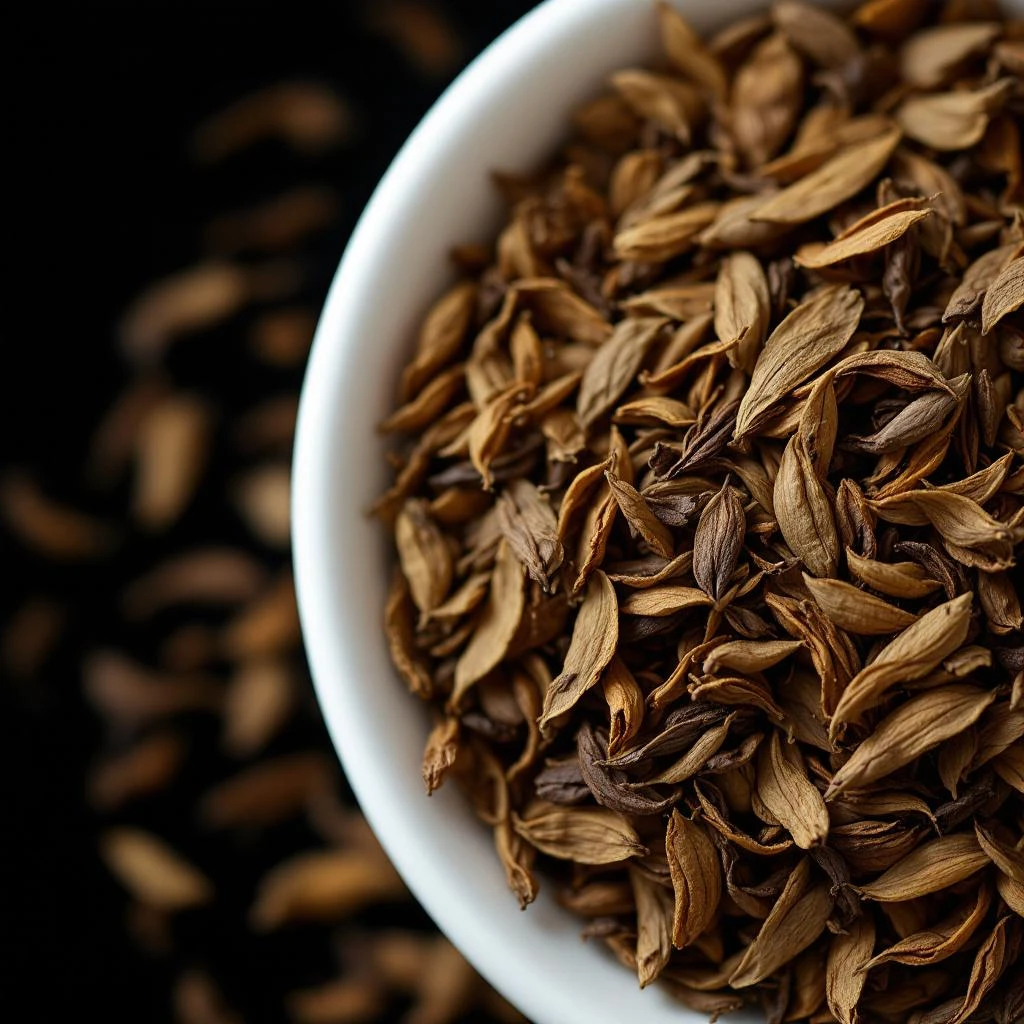
Pandanus
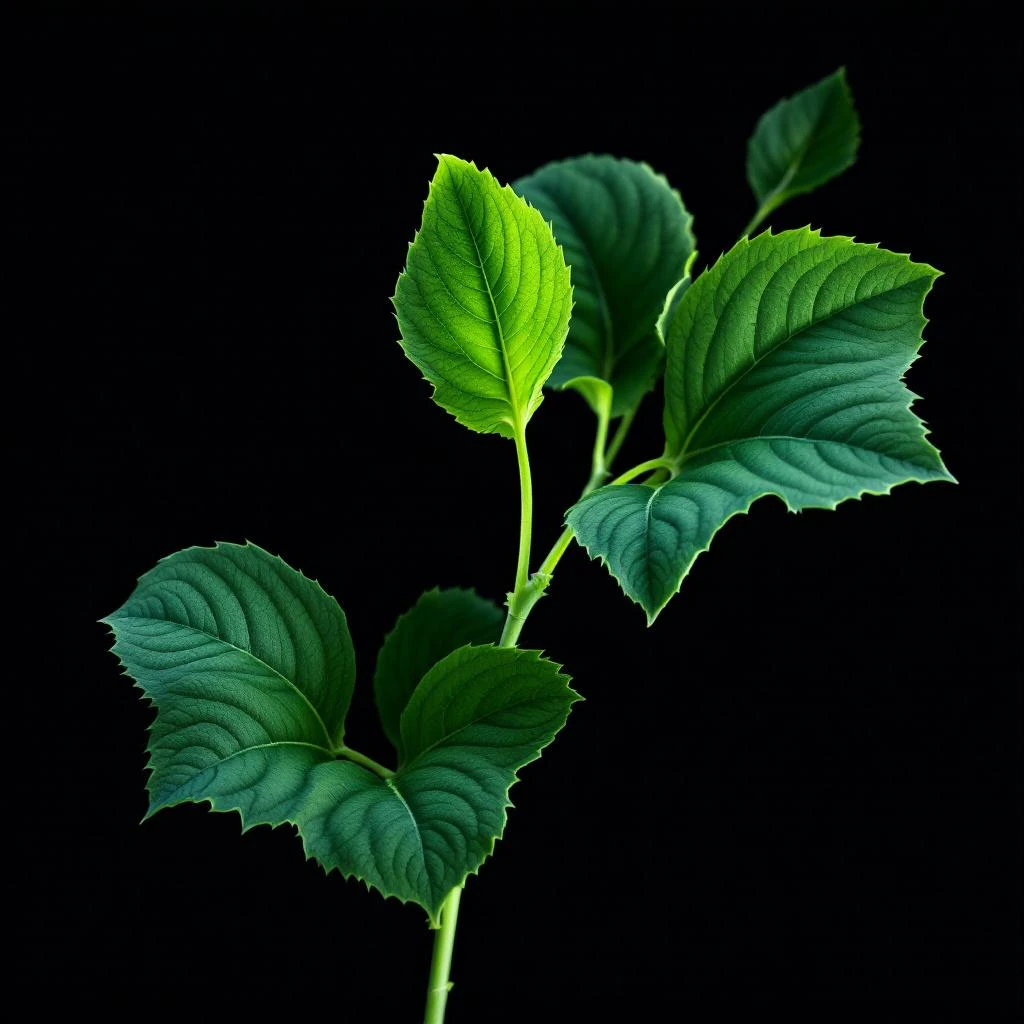
From sacred Indian ceremonies to Peranakan home fragrances, pandan has woven itself into Asian aromatic culture for millennia. This tropical plant delivers a green, sweet, and faintly floral scent that perfumers prize for its versatility and depth.
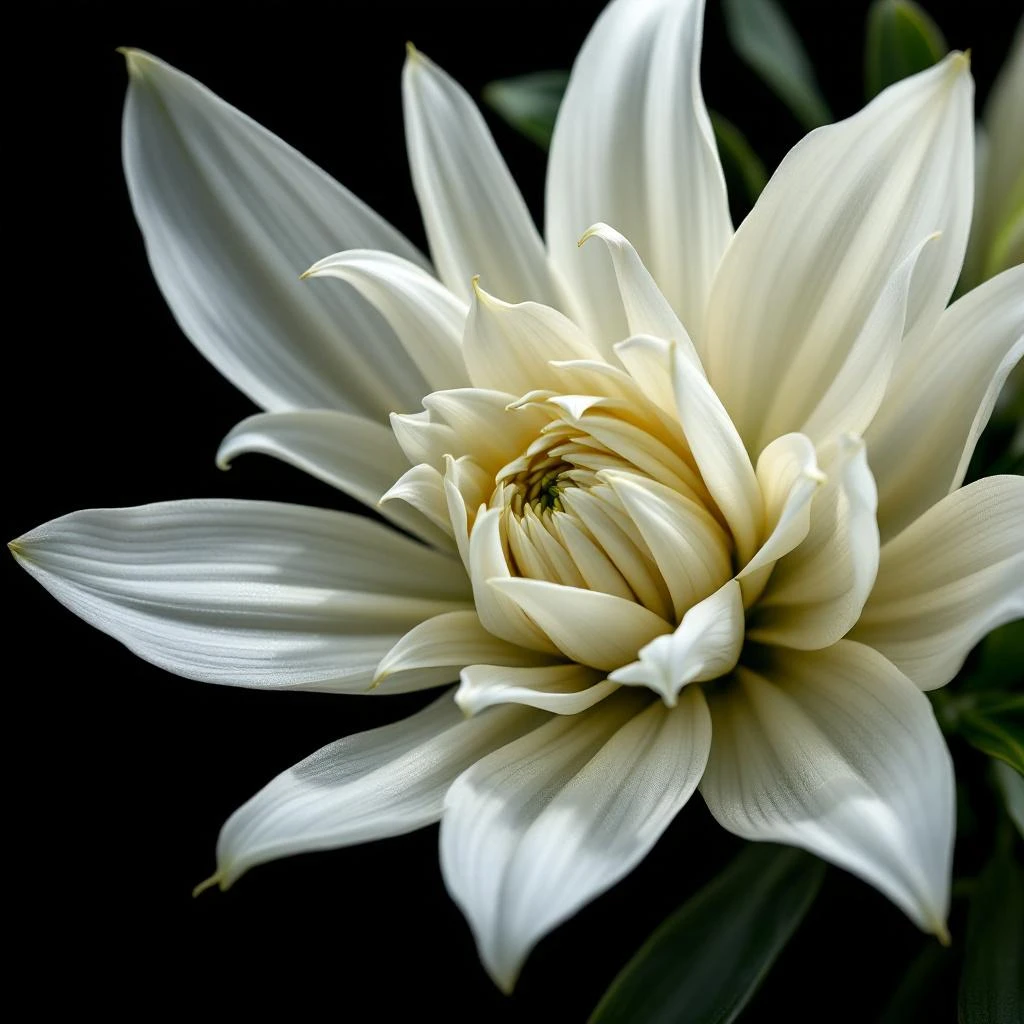
Character
How it smells
The green soul of Southeast Asian perfumery.
Pandanus amaryllifolius holds the highest concentration of 2-acetyl-1-pyrroline (2AP) in the plant kingdom, the same compound that gives basmati rice its characteristic aroma.







Origin
India
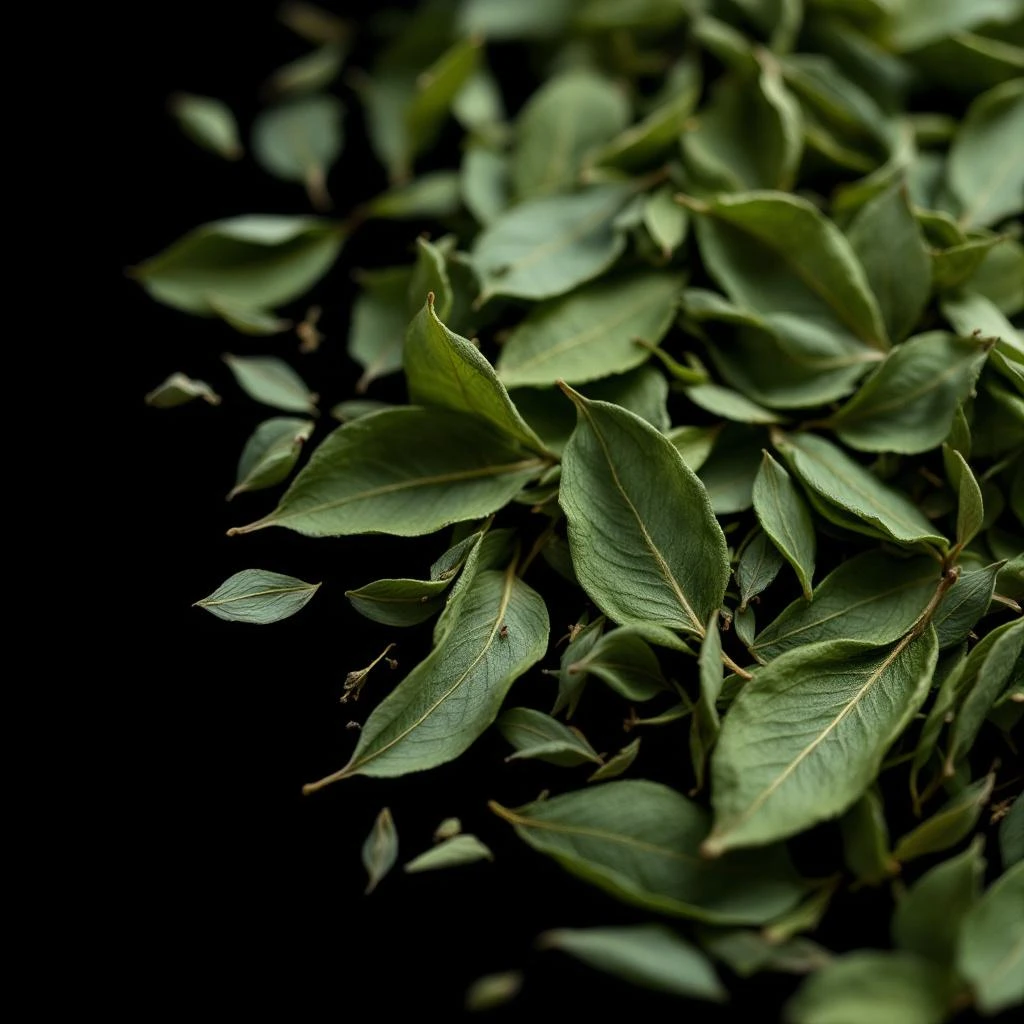
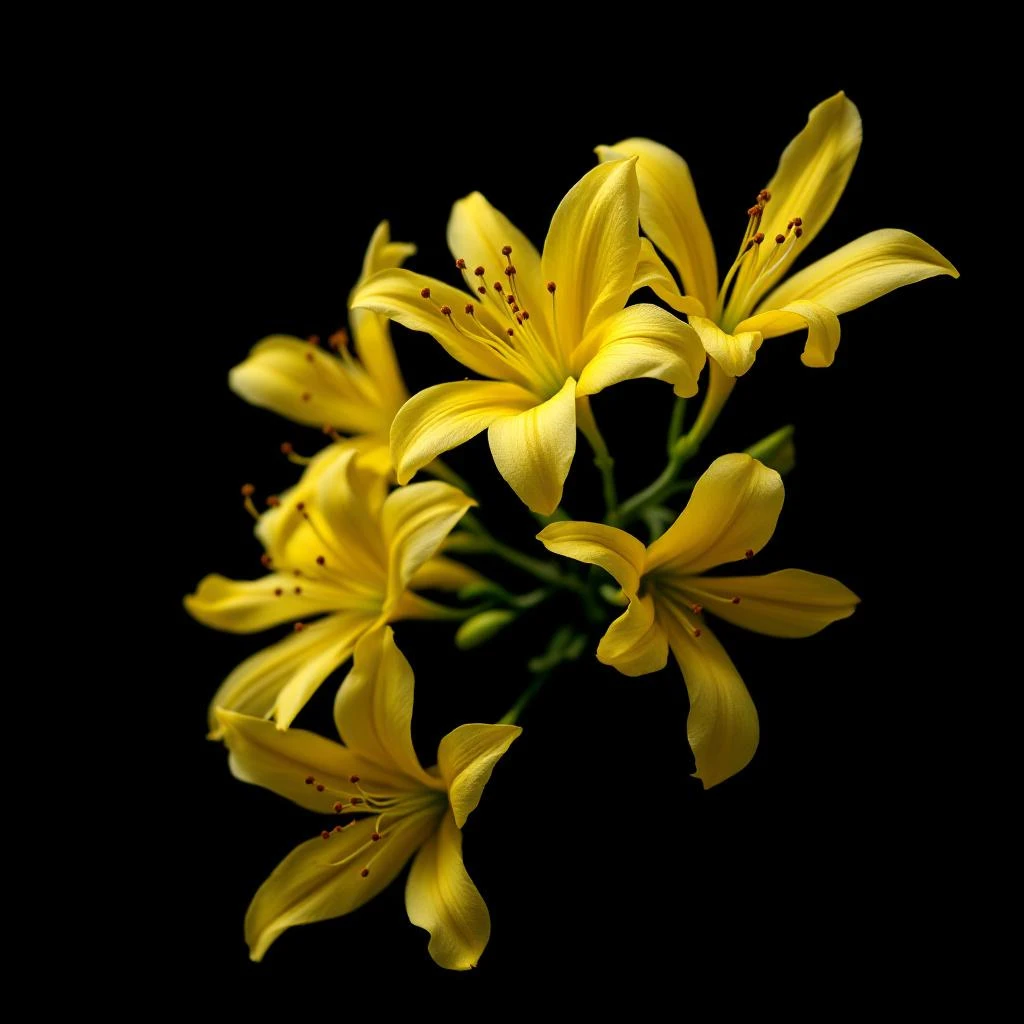
Pandanus amaryllifolius likely originated in Southeast Asia, where it was likely first cultivated in ancient times. The plant has grown in South and Southeast Asian culinary and aromatic traditions for thousands of years, serving both culinary and perfumery purposes. During the 19th century, the Peranakan Chinese communities in Malaysia and Singapore developed pandan perfume as part of their cultural identity, creating home fragrances by combining shredded pandan with rose petals, jasmine, and perfume oil.
In India, kewra water distilled from Pandanus odorifer flowers held sacred significance in religious ceremonies and perfumery. The distinctive sweet, green, floral aroma of pandan has become synonymous with celebrations across the region.
Wears it best
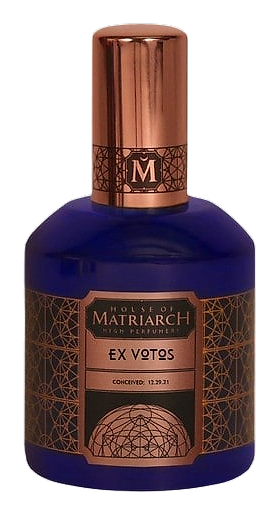
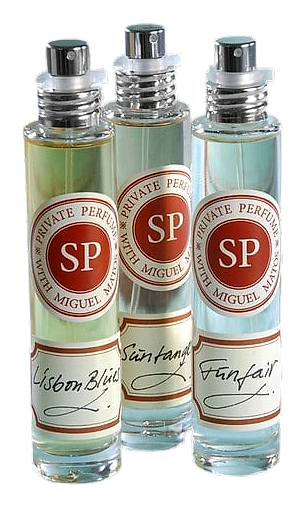
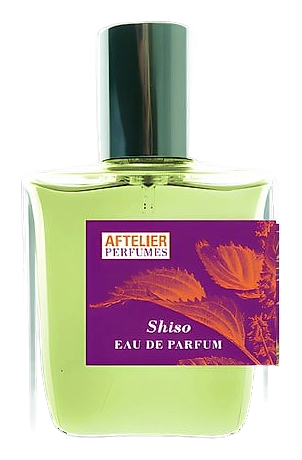
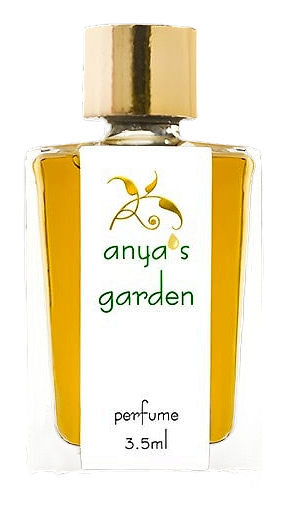
Fragrances featuring Pandanus
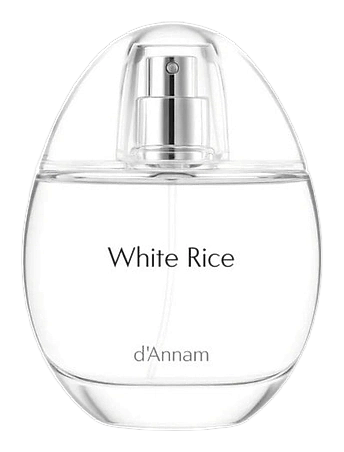
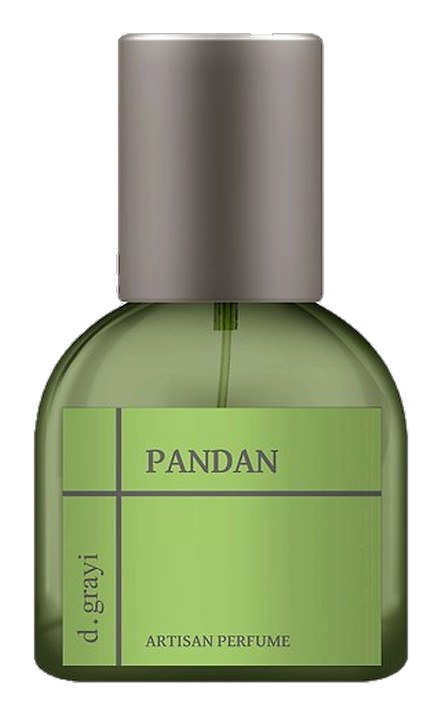
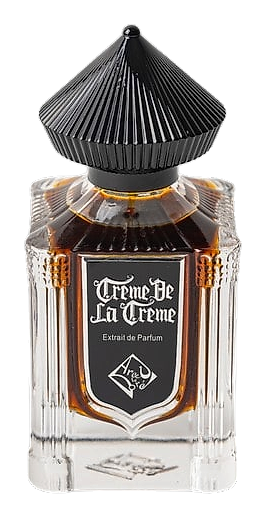
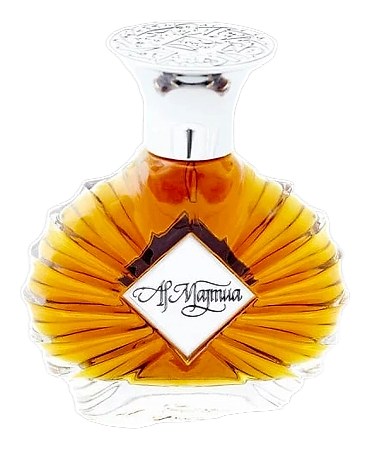
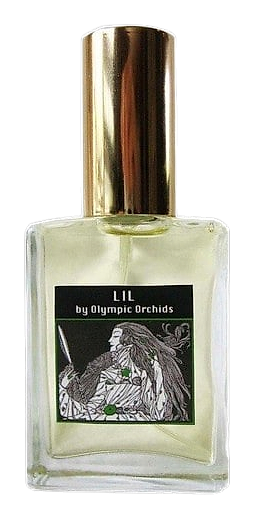
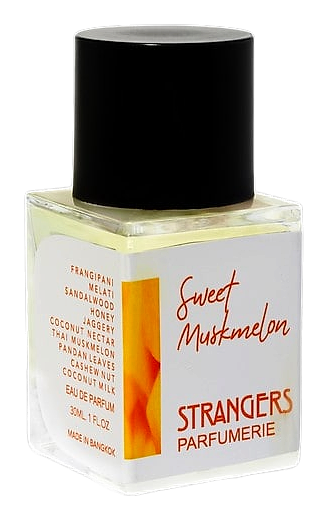
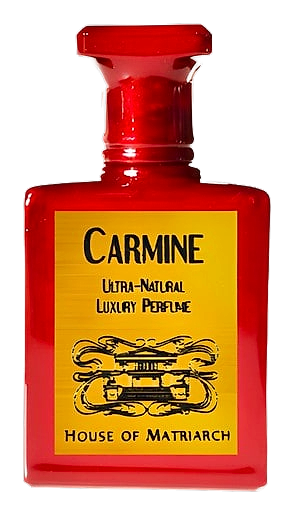
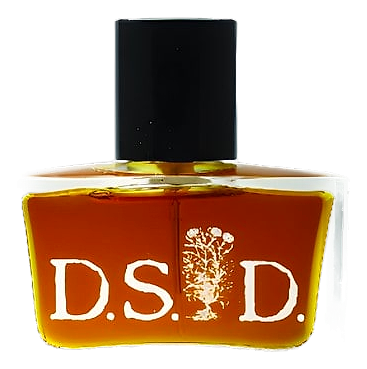
Brands
Brands known for Pandanus
Good to know
Questions, answered
The essentials on Pandanus in perfumery: how it smells, where it comes from, and how it behaves on skin.
What plant species produce pandan for perfumery?
Two species dominate commercial use. Pandanus odorifer flowers yield kewra water through hydrodistillation. Pandanus amaryllifolius leaves are extracted for their green, aromatic absolute. Each species offers distinct aromatic profiles.
How does kewra water differ from pandan leaf absolute?
Kewra water comes from Pandanus odorifer flowers via hydrodistillation, producing a fragrant floral water used in Indian perfumery and cuisine. Pandan leaf absolute derives from Pandanus amaryllifolius leaves, offering a green, aromatic character with a distinctly sweet undertone.
What extraction methods work for pandan in perfumery?
Kewra water is produced by hydrodistilling Pandanus odorifer flowers, capturing the delicate floral notes. For pandan leaf absolute, solvent extraction yields a richer, more concentrated product compared to steam distillation.
What does pandan smell like?
Pandan's aroma is green, slightly sweet, and mildly floral with coconut-like creaminess. The signature compound 2-acetyl-1-pyrroline (2AP) adds a warm, toasted quality reminiscent of fresh rice or bread crust.
Which fragrance families use pandan?
Pandan's versatility suits green, floral, oriental, and tropical fragrance families. It blends particularly well with coconut, jasmine, ylang-ylang, and sandalwood in modern perfumery.
What concentration levels do perfumers use for pandan?
Industry guidelines place pandan extracts in fine fragrance concentrations up to 15-30% depending on the form. Kewra water functions as a fragrance modifier at lower concentrations, typically 1-5% in final formulations.
Is pandan used in both men's and women's fragrances?
Pandan's versatility suits both gender categories, though it appears more frequently in women's fragrances and tropical-inspired compositions. Its green, sweet character pairs well with florals and exotic bases.
Does pandan appear across different fragrance traditions?
Pandan's use spans multiple traditions: Indian perfumery relies on kewra water in religious and celebratory contexts, while Southeast Asian perfumers incorporate pandan leaf absolute in tropical and green compositions. Western niche perfumery has adopted the ingredient for its distinctive aromatic profile.