The Story
Why it exists.
The beginning
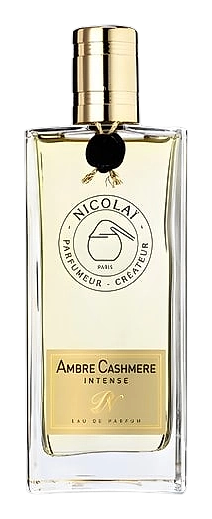
Patricia de Nicolaï created Ambre Cashmere Intense in 2015, working from the house's Paris laboratory. The name says cashmere, but the composition goes somewhere more elemental. She built it around a warm amber-vanilla core, then layered in orris and violet for powdery depth. The labdanum absolute was the deliberate choice: the raw fiber of cashmere, not the finished fabric. It was meant to be worn, not announced.
The base is where Patricia de Nicolaï's classical training shows. She didn't reach for synthetic vanillin to sweeten the drydown. Instead, vanilla absolute and tonka bean absolute work alongside benzoin and labdanum, creating a resinous warmth that develops over hours rather than minutes. The sandalwood and musk anchor everything, keeping the sweetness from floating away. It's a structure designed to age on skin, to reveal new dimensions as it settles.
The evolution
The opening hits bright and tart, citron and mandarin orange, a sugared lemon that wakes things up. The black pepper arrives quickly, adding clean heat that cuts through the sweetness before it can become cloying. This phase lasts maybe thirty minutes, sharp and alive. Then the iris and violet take over. The heart is powdery, almost dusty, with clove spice threading through. It shifts the fragrance from bright to warm without losing momentum. This is the middle passage, the hour where it settles into itself. The drydown is where it lives. Vanilla and amber emerge from the base, soft and close, then the labdanum surfaces. That's the tell. Not civet, not castoreum, just the faintest animalic warmth, like skin after cashmere has been worn all day. It lingers. On most skin types, eight to ten hours. On fabric, it stays until the next wash.
Cultural impact
Since its 2015 launch, Ambre Cashmere Intense has built a following among collectors of classical French perfumery. Wearers describe it as the scent of someone who walks into a room and doesn't need to announce themselves. The animalic undertone from labdanum sparks debate, some find it complex and grounding, others find it unexpected. That divide is part of its character. It doesn't play safe.