The Story
Why it exists.
The beginning
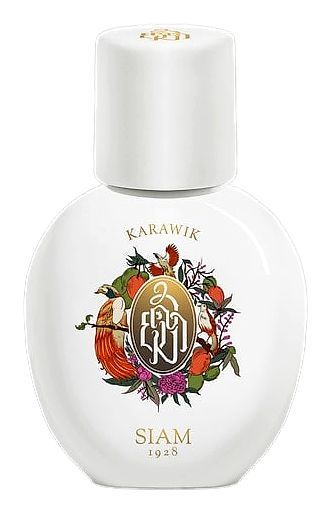
Kanhakotama draws from Thai mythology, the legend of the naga, black-scaled serpent warriors who protected ancient kingdoms. The name itself carries weight, resonating with centuries of cultural memory. A dusty battlefield at dusk, smoke still hanging in the air, leather armor cooling after the last clash. The atmosphere is palpable, captured through carefully selected materials. Ebony wood brings the smoky depth, its dark richness echoing the lingering haze of conflict. Leather notes evoke the aftermath, the tactile reminder of survival. Warm spices thread through the composition, sharp and present, not merely decorative but integral to the narrative. This is mythology worn close to the skin, a fragrance that speaks of ancient stories without stating them outright.
What makes Kanhakotama work is the unusual pairing of betel pepper with the more familiar vocabulary of black pepper and cumin. The betel note brings an aromatic quality that lifts the opening away from standard spice territory. Combined with cumin's animalic edge, the top feels distinctive and characterful. Ebony wood serves as the smoky backbone that supports the leather throughout the development of the fragrance. The pairing creates unexpected harmonies, where each element contributes its own character while allowing the others room to express themselves.
The evolution
The first minutes are confrontational. Black pepper and betel pepper hit the skin with an almost stinging brightness, the cumin adding a body-warmth quality that reads as alive, not synthetic. As the opening settles, the leather begins to emerge, something rougher and darker, with the memory of smoke still clinging to it. Ebony wood arrives with presence, its smoky character infusing the composition with depth. As time passes, the spices gradually recede to the periphery, the leather becoming the dominant voice, and underneath, vanilla and vetiver build the foundation. The drydown reveals an earthy, mineral depth that persists on the skin. The fragrance settles into its final form, patchouli and vetiver creating a lingering presence that stays close to the skin. What remains is a quiet, woody reminder of the story that unfolded.
Cultural impact
Kanhakotama represents a distinctive offering within the niche fragrance landscape. By anchoring the composition in the legend of naga warriors from Thai mythology, SIAM 1928 incorporates Southeast Asian narrative traditions into the broader context of fragrance creation. The inclusion of betel pepper introduces an aromatic element that contributes to the fragrance's unique character. The smoky leather structure carries mythological resonance, grounding the scent in a specific cultural narrative. This cultural anchoring offers something characterful for fragrance enthusiasts interested in narrative depth and non-Western influences.
The House
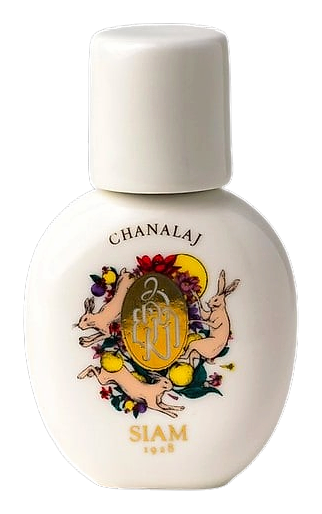
SIAM 1928SIAM 1928 is a Thai niche perfumery house founded in Bangkok in 2019 by Nutt Wesshasartar, who serves as both founder and perfumer. The house draws its name from the year Thailand began using the Gregorian calendar, marking a significant cultural transition point. SIAM 1928 creates fragrances that draw deep inspiration from Thai history, mythology, literature, and the natural landscape. Each scent functions as a narrative vessel, translating cultural stories and spiritual themes into olfactory form. The house operates as an independent artisan brand, producing limited collections that reflect a distinctly Thai perspective on perfumery. Nutt Wesshasartar develops all fragrances personally, combining traditional Thai aromatic materials with contemporary perfumery techniques. The brand has released multiple notable fragrances including Wasan, Rasvika, Chanalaj, Rosen Bridge, Aerapata, Sadayu, and the 2025 releases Kubera Raja, Akkhara, and Dhatarattha Raja.
The Creator
Nutt WesshasartarHer signature approach favors fresh, translucent compositions with a marked preference for botanicals native to Southeast Asia. Wesshasartar demonstrates particular skill with green and citrus elements, building fragrances that feel airy yet substantial.