The Story
Why it exists.
The beginning
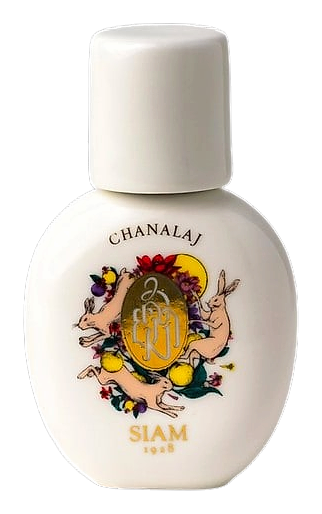
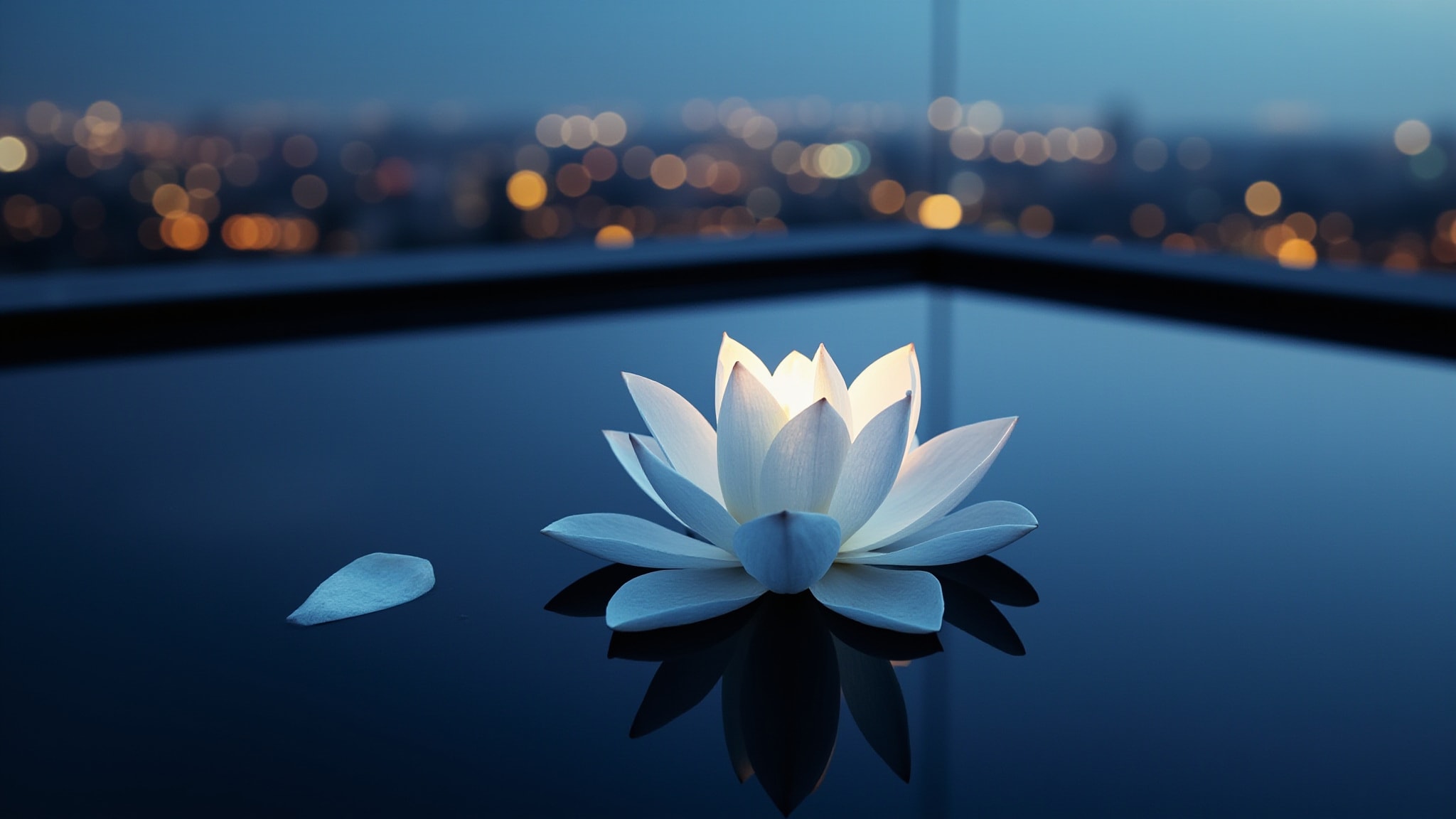
The name Chanalaj comes from a Thai literary tradition describing lotus flowers so fragrant their scent travels miles, reaching, according to legend, to Krailat mountain, home of Shiva. Nutt Wesshasartar built this fragrance around that image: not the lotus of a sunny pond, but the rare bloom that opens only under a full moon. The herbal quality of lotus is its signature, green, slightly medicinal, unmistakably Thai. This is fragrance as narrative, rooted in mythology that predates any bottle or brand.
What makes Chanalaj unusual is the combination of camphoraceous borneol with yellow florals, a pairing that could feel dissonant on paper but reads as cool, aquatic, almost mist-like on skin. The Strobilanthes Callosus in the top adds a green, slightly bitter edge that prevents the jasmine and ylang-ylang from becoming too sweet. Cashmeran in the base doesn't just soften, it adds a synthetic warmth that mimics the feeling of skin warmed by night air. This is a fragrance built for people who want something that smells like a specific place and time, not just a pleasant accident.
The evolution
The opening hits cool and herbal, borneol and bergamot arriving together like night air over water. Within ten minutes, the camphorous edge softens, and mandarin and pink grapefruit slide in, brightening without warming. The heart is where it earns its name: lotus, mimosa, night-blooming jasmine, water lily, a procession of white and yellow florals that smell wet, not sweet. Ylang-ylang adds a faint creaminess underneath. The drydown takes its time. Sandalwood arrives around hour three, cashmeran and white musk holding everything together. By hour six, you're left with a faint, powdery warmth, the ghost of flowers on warm skin, close enough to notice but not announce.
Cultural impact
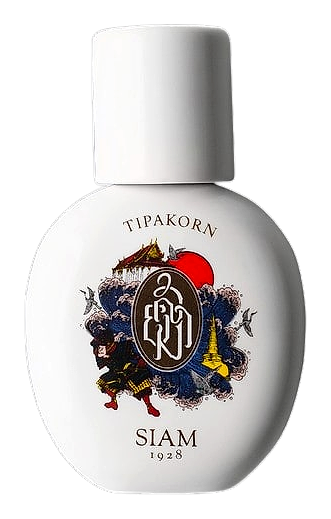
SIAM 1928 occupies a specific space in contemporary perfumery: Thai cultural heritage translated into olfactory form. Chanalaj is discontinued, which means it exists outside the cycle of seasonal releases and trend-chasing. For collectors drawn to Southeast Asian perfumery, the herbal notes, the aquatic florals, the lotus pond imagery under moonlight, this is the fragrance people seek out. It smells like a place most Western fragrance houses never attempt to represent.