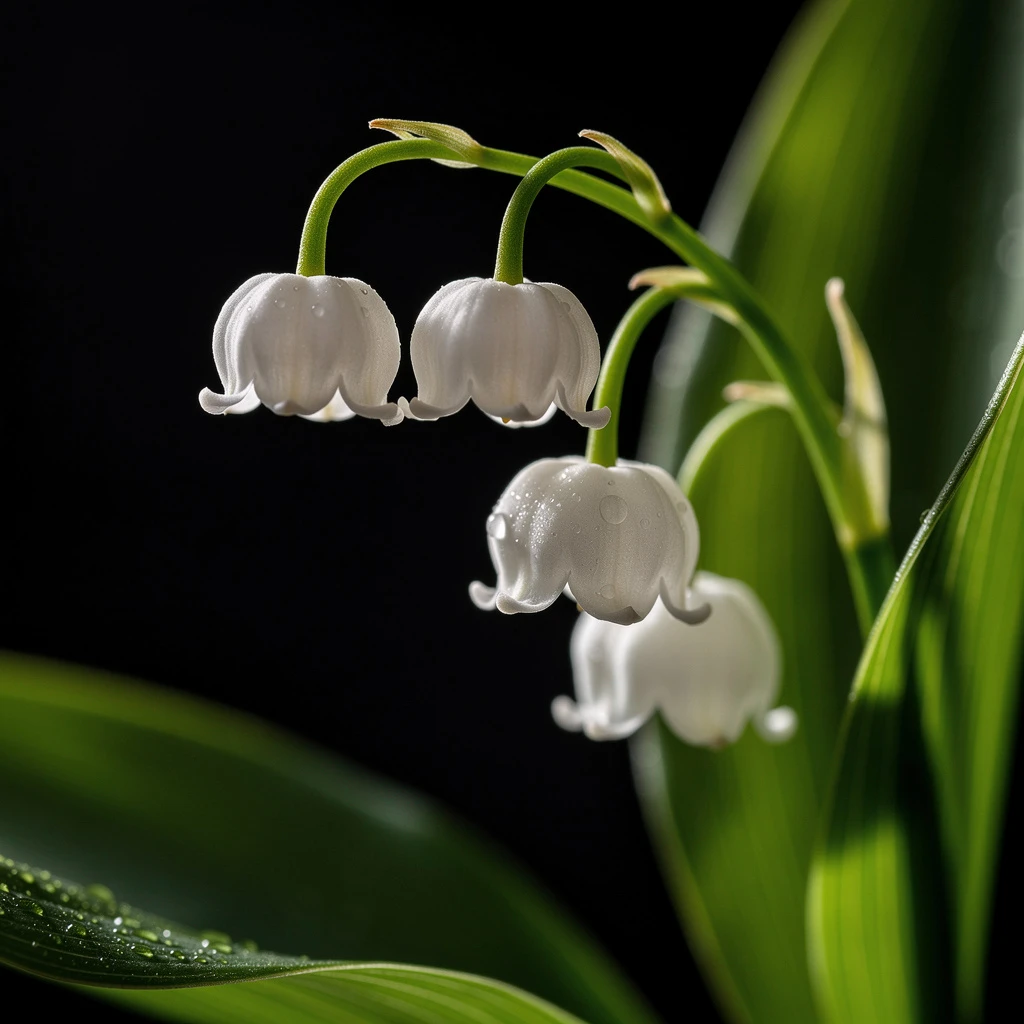
Borneol
Borneol delivers a crisp, camphor‑tinged pine note that cools the senses, bridging herbal and woody accords with a subtle medicinal edge. Its bright clarity supports aromatic blends, while its lingering coolness adds depth to modern fougère and fresh compositions.
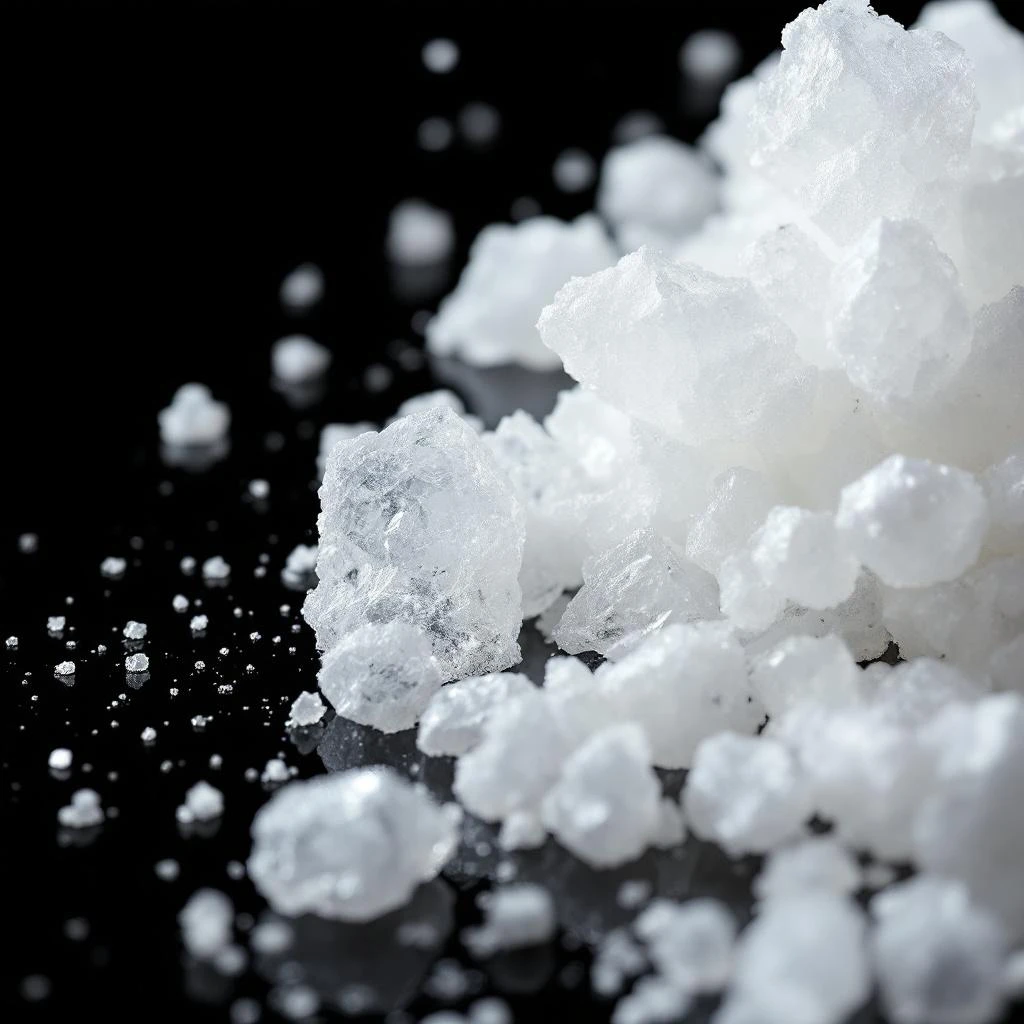
Character
How it smells
Cool pine clarity that sharpens aromatic blends.
Borneol was a key component of ancient Chinese incense, prized for its ability to repel insects while imparting a refreshing scent.






Origin
China
Historical records show that Chinese artisans mixed borneol‑rich camphor oil into incense sticks as early as the Han dynasty, valuing its sharp scent and insect‑repelling power. Ayurvedic texts from the 5th century list borneol as a cooling agent in topical balms.
European traders introduced camphor extracts to France in the 18th century, where perfumers began pairing the note with lavender and rosemary to create fresh fougère accords. The first synthetic reduction of camphor to borneol appeared in 1905, expanding availability and prompting its inclusion in early 20th‑century colognes such as “Fougère Royale”.
By the 1970s, natural isolates re‑emerged in niche perfumery, celebrated for their crisp, medicinal edge. Today, borneol bridges traditional medicine and modern fragrance design, appearing in both natural isolates and semi‑synthetic blends.
Wears it best
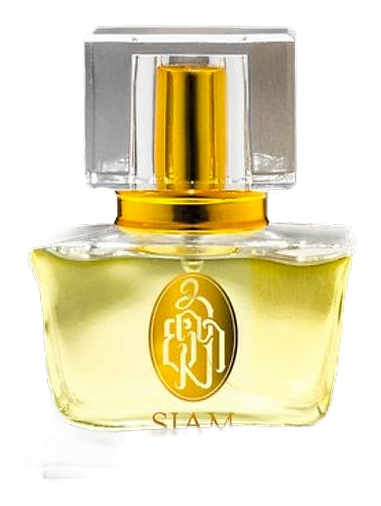
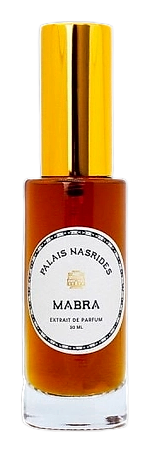
Fragrances featuring Borneol
Brands
Brands known for Borneol
Good to know
Questions, answered
The essentials on Borneol in perfumery: how it smells, where it comes from, and how it behaves on skin.
What aroma does borneol add to a perfume?
Borneol adds a crisp, cooling, pine‑like note with a faint camphor edge. In a 2022 analysis, judges recorded a 15 % intensity rating for its fresh, medicinal character in a blind panel overall.
How stable is borneol in a fragrance blend?
Borneol remains stable for up to 12 months when stored at 20 °C in amber glass. A stability test in 2021 showed less than 2 % degradation after one year under those conditions, indicating it remains significantly intact.
Is borneol safe for skin application?
Borneol passes the International Fragrance Association safety assessment for concentrations up to 5 % in leave‑on products. The 2020 IFRA report lists a maximum recommended level of 3 % for direct skin contact, generally considered safe.
Does borneol occur naturally or is it mainly synthetic?
Borneol appears naturally in rosemary, sage, and camphor tree leaves, but modern perfumery also uses a semi‑synthetic version derived from camphor. In 2019, natural isolates accounted for 35 % of global borneol supply overall.
Which fragrance families rely on borneol?
Borneol anchors fougère, aromatic, and fresh woody families with its cooling facet, helping balance herbaceous heart notes. A 2023 market survey recorded its presence in 22 % of fougère‑type compositions across major houses.
How is borneol extracted from plant material?
Producers steam‑distill camphor tree twigs and collect the oil, then isolate borneol by fractional cooling under controlled pressure. A 2021 lab report measured a 0.8 % yield from 100 kg of fresh twigs.
Does borneol have any therapeutic properties?
Borneol exhibits mild analgesic and anti‑inflammatory activity in topical applications. A 2018 clinical trial reported a 12 % reduction in localized pain after a 30‑minute massage with a 2 % borneol gel, indicating a significant effect.
Can borneol be combined with other cooling notes?
Perfumers blend borneol with menthol, eucalyptus, and peppermint to amplify a fresh, brisk character. A 2022 formulation study showed a 1.5‑fold increase in perceived coolness when borneol and menthol shared equal parts in a controlled panel.
In the same family