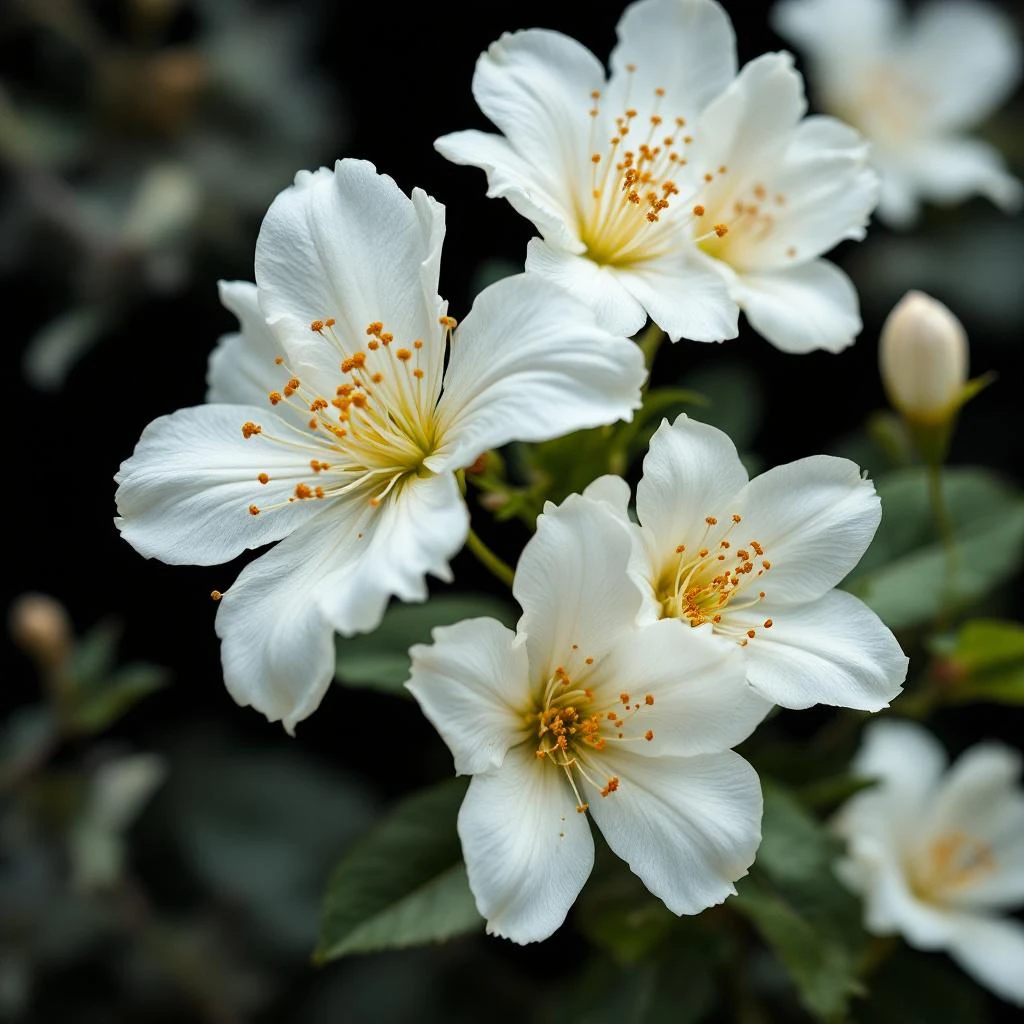
Strobilanthes Callosus
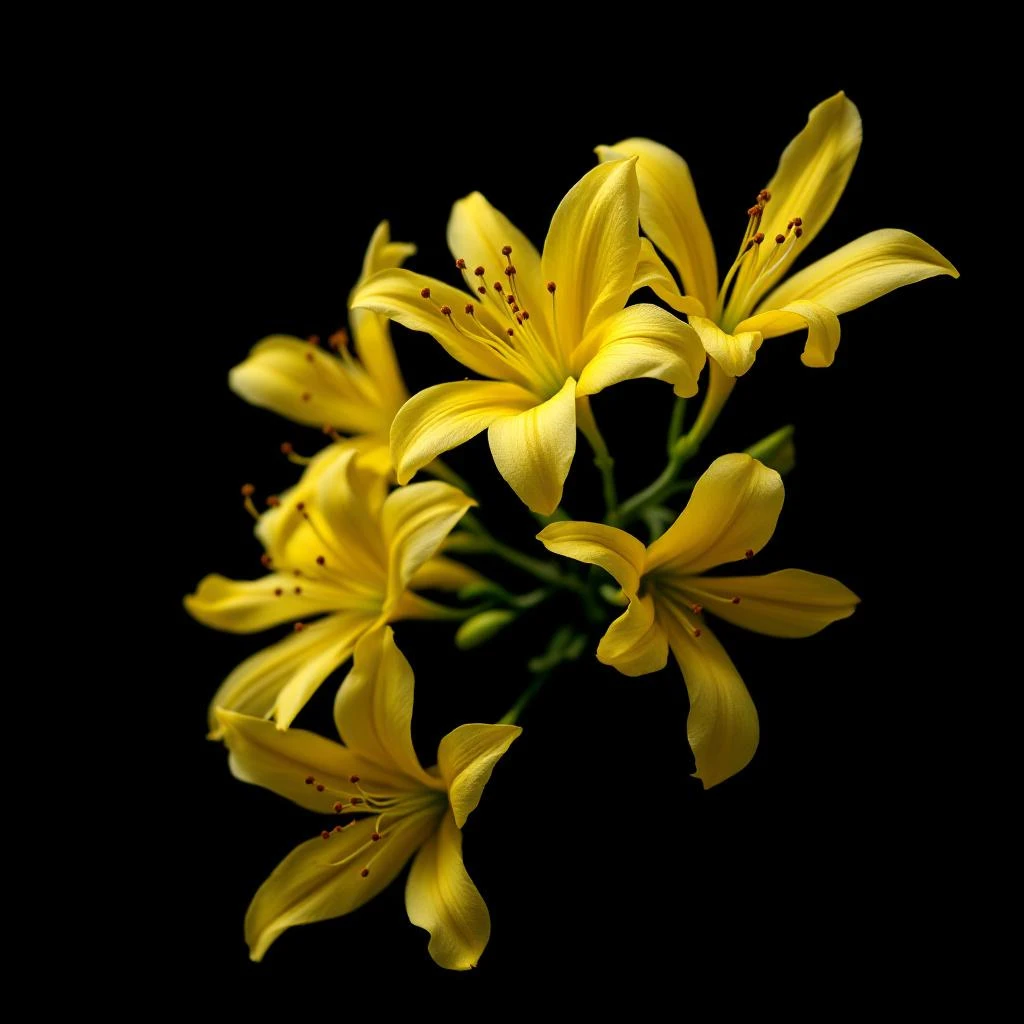
Strobilanthes Callosus delivers a rare violet-honey scent native to India's Western Ghats. Long cherished in traditional perfumery, this botanical rarity imparts soft floral warmth with an understated elegance that few ingredients can match.
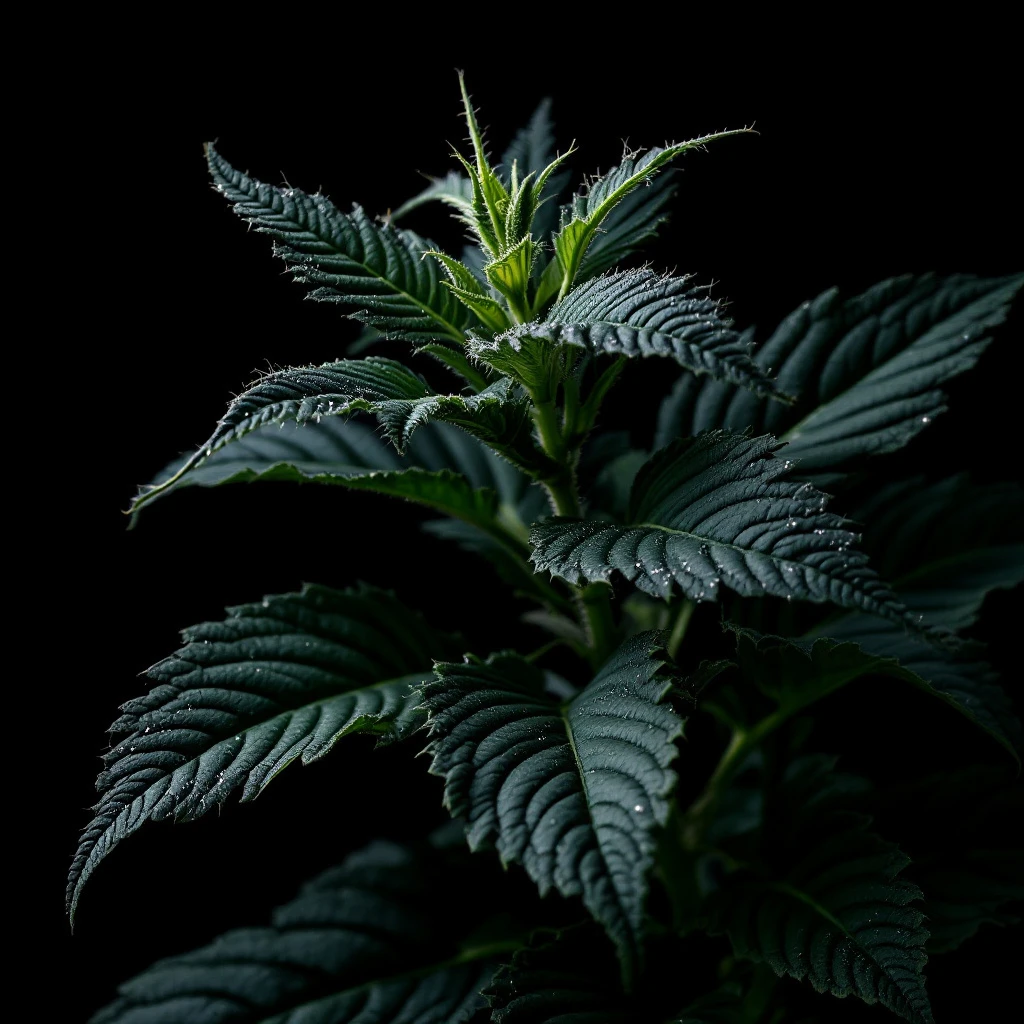
Character
How it smells
India's hidden violet treasure
Strobilanthes plants are known for synchronized flowering cycles, blooming en masse every 8-12 years in a rare botanical phenomenon.






Origin
India
Strobilanthes Callosus has graced Indian perfumery for centuries, particularly within Kerala's traditional ATTAR-making traditions. The plant holds sacred significance in South Indian culture, often associated with temple rituals and ceremonial decorations.
Kerala's historic perfumers recognized its value early, incorporating the blooms into complex attar blends alongside sandalwood and vetiver. The ingredient bridges Ayurvedic herbal traditions and olfactory artistry, reflecting India's holistic approach to aromatic materials.
Unlike European violet preparations that dominated Victorian perfumery, this Indian variety offered perfumers a warmer, honeyed interpretation of the violet theme. Regional perfumers in Goa and Karnataka developed signature styles using this material, creating fragrances that captured the essence of Western Ghats flora.
Wears it best
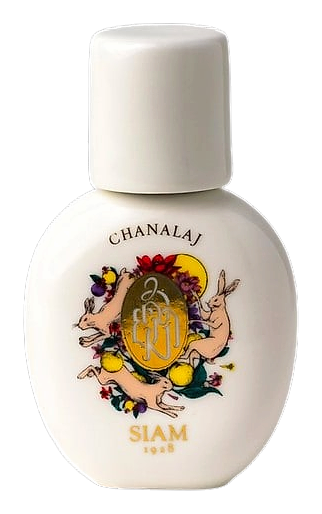
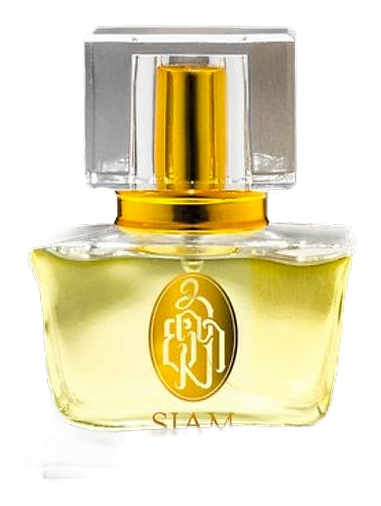
Fragrances featuring Strobilanthes Callosus
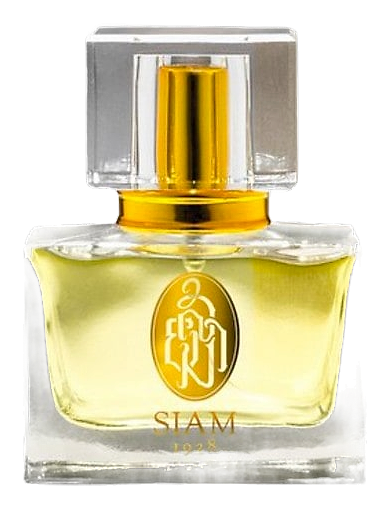
Brands
Brands known for Strobilanthes Callosus
Good to know
Questions, answered
The essentials on Strobilanthes Callosus in perfumery: how it smells, where it comes from, and how it behaves on skin.
What does Strobilanthes Callosus smell like?
It produces a warm violet-honey scent with soft floral sweetness. The aroma carries an understated elegance distinct from European violet absolutes, offering deeper honeyed undertones typical of Indian aromatic traditions.
Where does Strobilanthes Callosus grow?
The plant thrives in India's Western Ghats, particularly in Kerala, Karnataka, and Maharashtra. This mountainous region's humidity and altitude create ideal conditions for developing the plant's aromatic compounds.
Is Strobilanthes Callosus used in modern perfumery?
It remains a niche ingredient found primarily in artisanal and traditional Indian attars. Western luxury perfumery occasionally sources it for its ability to add unique floral warmth to complex blends.
What part of the plant is used in perfumery?
Fresh flowers provide the primary aromatic material. Harvest timing critically affects quality, with collection typically occurring during brief peak bloom periods to maximize oil yield.
How is Strobilanthes Callosus extracted?
Solvent extraction produces a concrete capturing the full aromatic spectrum. Some producers now use supercritical CO2 extraction for broader molecular preservation.
Does Strobilanthes Callosus have traditional uses beyond perfumery?
Ayurvedic texts reference the plant for medicinal applications, particularly in preparations addressing respiratory and inflammatory conditions. Temple traditions also incorporate the flowers in ceremonial contexts.
Is this ingredient sustainable to source?
Wild harvesting occurs alongside cultivation efforts in Kerala. Sustainable practices focus on protecting native populations while meeting perfumery demand through managed cultivation programs.
What fragrance families pair well with Strobilanthes Callosus?
It complements woody bases like sandalwood and vetiver, oriental resins, and other florals including jasmine and tuberose. The warm violet character softens sharp edges in complex compositions.