The Story
Why it exists.
The beginning
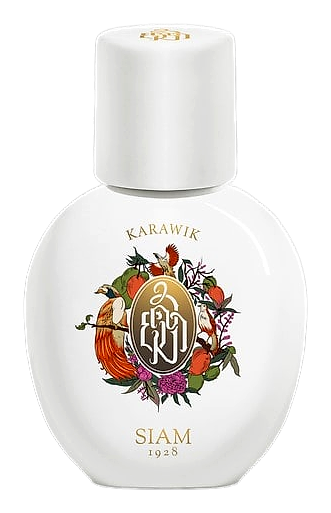
The Karawik is a mythical bird from Thai Buddhist scripture, said to live in the Himmapan forest and feed on wild mangoes. Its song was believed to echo from the heavens, real enough to inspire wonder, rare enough to feel like legend. Nutt Wesshasartar translated that image into a fragrance: a bird perched in a mango tree, plumage bright as the fruit it eats. The composition begins with lavender and galbanum, then opens into a mango heart that captures the fruit at multiple ripeness stages, tart skin, juicy flesh, the whole tree.
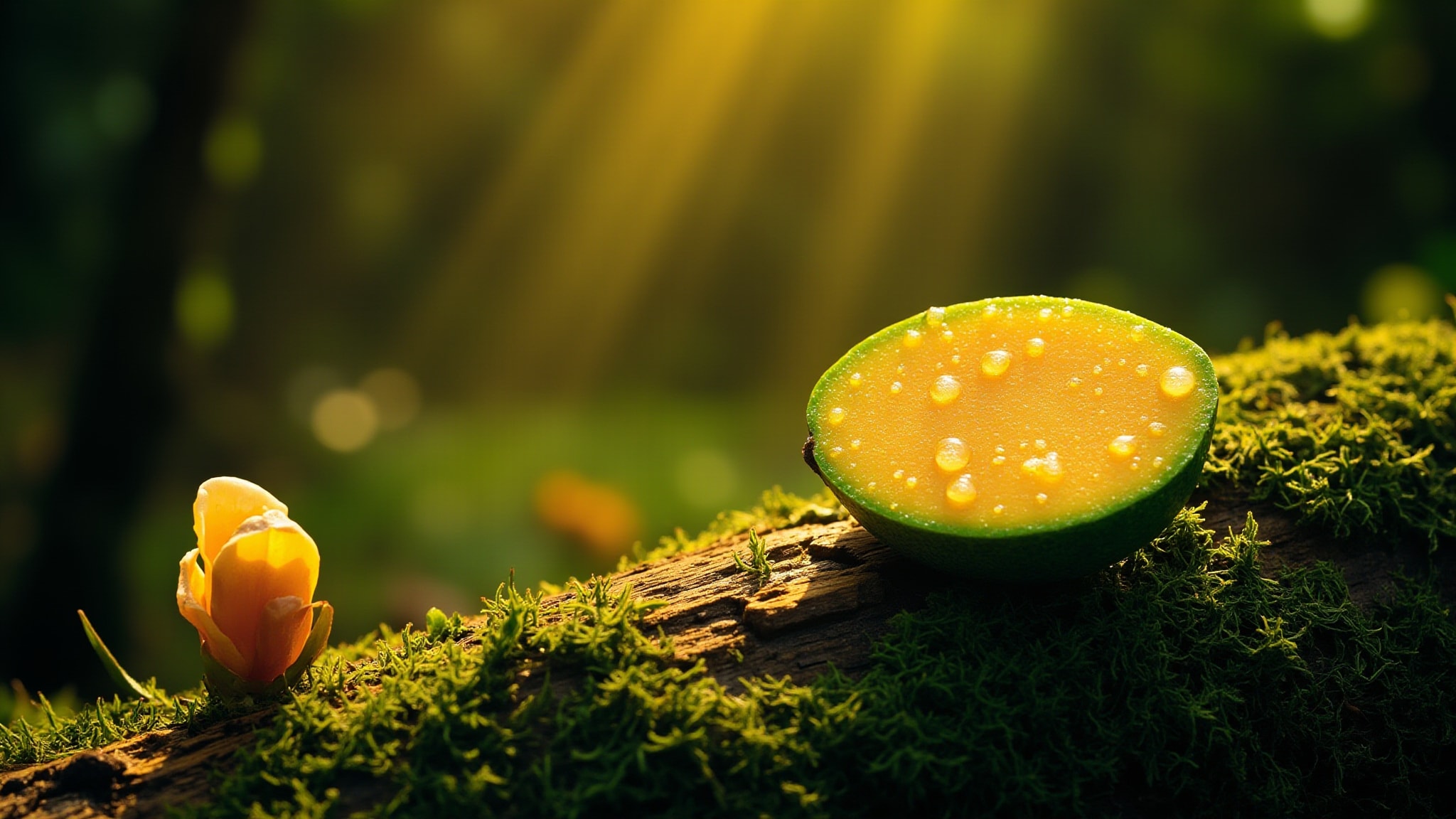
What makes Karawik distinctive is the mango. Not a mango accord tucked into the top notes as a novelty, the mango is the architecture. It shapes the heart, it influences the drydown, it lingers in memory after the woods have settled. The wild mango reference from Thai mythology isn't decorative. It anchors the entire composition to a specific cultural moment: a bird eating fruit from a tree that exists between real and imagined. Galbanum and oakmoss add the green and earthy dimensions that keep the tropical notes from going flat. Coconut and magnolia round the heart into something warm without being sweet.
The evolution
The opening hits sharp and fast. Galbanum and lavender arrive together, the galbanum green, almost biting, the lavender herbal beneath it. Before long the mango begins to assert itself, and it is not sweet in the usual way. It is the smell of the fruit itself, the skin, the stem, the green tartness that blends with magnolia and coconut into something lush and tropical. The coconut keeps it soft while the magnolia keeps it floral. This tropical heart carries the composition forward, the mango and its supporting notes in no hurry to yield. The drydown is where the woods arrive in force. Cedarwood and sandalwood create a warm, slightly resinous base that carries the oakmoss along with it. The oakmoss becomes more pronounced as the sweeter notes fade, mossy, earthy, green in a different way than the opening. The drydown lingers close to the skin, intimate and persistent.
Cultural impact
Karawik anchors itself in Thai mythological literature, the Karawik bird from Buddhist scripture, and builds a composition around wild mango as a central note. This combination of cultural specificity and an unusual tropical material gives the fragrance a distinctive character. The green-spicy, mossy-woody drydown adds complexity that extends its appeal beyond the initial tropical sweetness.