
The Story
Why it exists.
The beginning
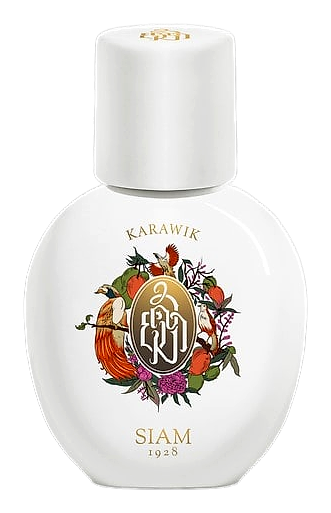
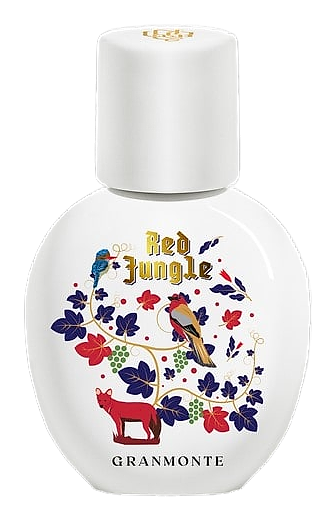
Red Jungle exists because someone at SIAM 1928 looked at Thailand's winemaking heritage in the Khao Yai region and asked what it would smell like if you followed the grape all the way through, past the wine, past the pressing, into the marc left behind. Grappa. The spirit made from what remains after the juice is gone. Perfumer Nutt Wesshasartar built this fragrance around that leftover, that echo of something once fermented and now quietly catching fire in a still. It's a collaboration with Thai Local Spirits, two crafts interested in what happens to a flavor when you distill its memory rather than its fruit.
The inverted pyramid is the real story here. Red Jungle opens with cedar and oak, almost astringent, definitely assertive. The dried fruits surface next, warm and present, and then the tonka bean arrives to soften everything, powdering slightly. This isn't a flaw in the composition. It's the point. The grape doesn't announce itself. It arrives already warm, already dried, like finding raisins in a glass you'd thought was empty.
The evolution
The opening is woody and dry, cedar so present it can almost read as furniture polish on first spray. Not sweet. Not inviting yet. Just the oak and the grape marc asserting themselves before any softening happens. The dried fruit begins to surface, raisin and prune moving through the cedar like light through a half-closed door. The tonka bean arrives and turns the composition powdery, slightly floral, the sweetness finally earned rather than handed over. The heart settles into tonka and oakwood, warm, sweet, intimate. The drydown settles into cedar and sandalwood with vanilla underneath, the wood now smooth rather than sharp, the sweetness quiet. This is the trace, what remains when the fruit has fully gone, cedar and vanilla lingering close to the skin.
Cultural impact
Red Jungle represents an unconventional approach to Thai perfumery by transforming the marc spirit tradition of Khao Yai's winemaking heritage into a wearable fragrance. The grape marc spirit, known as grappa in Italian contexts, has long been a byproduct of the region's wine industry, typically discarded or consumed locally. By working with SIAM 1928 to translate this spirit into a fragrance, perfumer Nutt Wesshasartar elevates what was once agricultural waste into a sensory symbol of regional identity. The grape marc, which carries the concentrated essence of the winemaking process, becomes the foundation for something entirely new.