Grappa
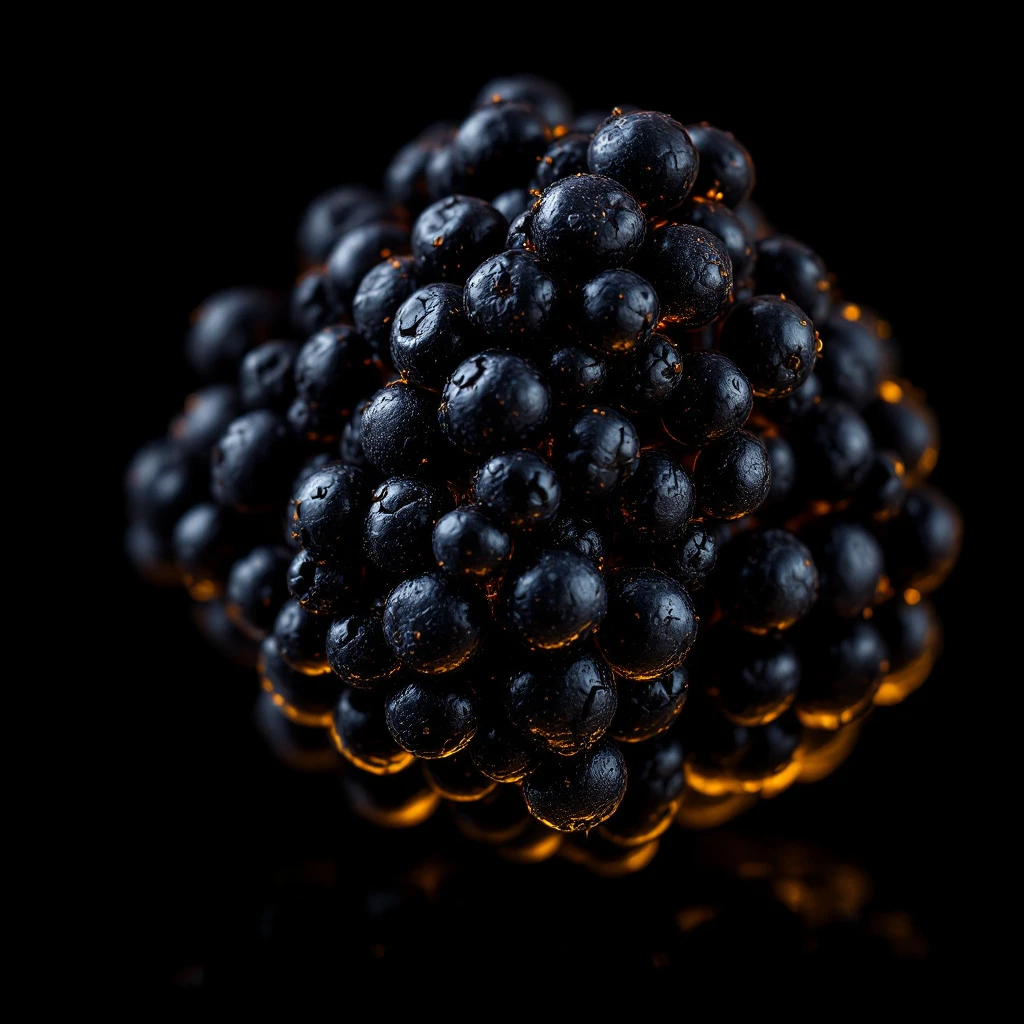
A spirit-born accord that captures the raw elegance of Italian winemaking heritage, distilling grape essence into a bold, aromatic experience.
Character
How it smells
The spirit of the vineyard, captured in scent.
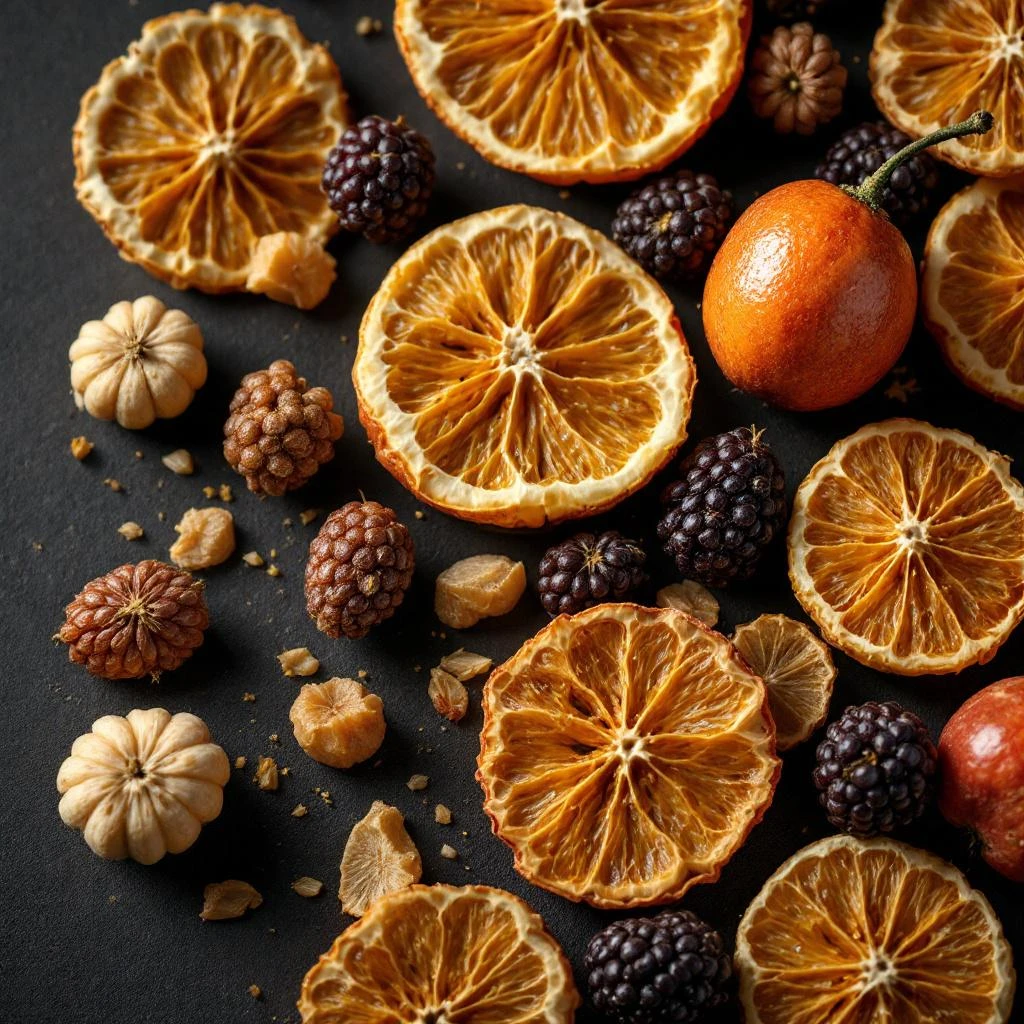
Grappa aroma contains over 100 volatile compounds, mirroring the complexity of the grapes themselves.




Origin
Italy
Grappa traces its roots to the Italian winemaking tradition, where peasants discovered they could transform what remained after pressing grapes into a potent spirit. Historical records suggest distillers in northern Italy were producing early versions by the 16th century, though the practice became more refined over centuries.
The spirit originally served as a frugal way to preserve grape harvest remnants, transforming what might otherwise go to waste into something valued. Italian emigrants carried grappa across the Atlantic, cementing its identity as a cultural symbol of Italian identity abroad.
Fragrance houses began incorporating grape-derived accords in the late 20th century, drawn to the fruit's dual nature: both celebratory and grounded. Today, grape aromatics appear in fine fragrances as nods to terroir and tradition, honoring the grape's journey from vine to bottle to bottle of perfume.
Wears it best
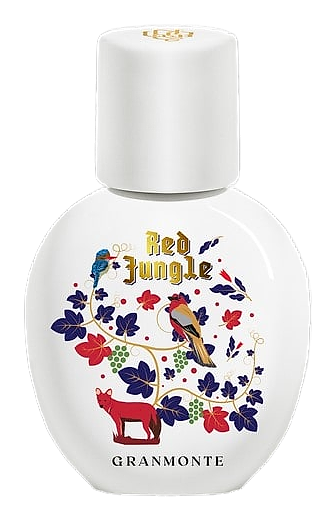
Fragrances featuring Grappa
Brands
Brands known for Grappa
Good to know
Questions, answered
The essentials on Grappa in perfumery: how it smells, where it comes from, and how it behaves on skin.
Is grappa actually used in perfume formulas?
Grappa appears as a spirit-inspired accord rather than the actual spirit. Perfumers use grape-derived aromatic materials and layered alcohol notes to evoke grappa's character.
What does grappa smell like in perfumery?
Grappa accords typically combine fruity grape notes with spirituous, slightly sharp qualities. The result reads as warm, vinous, and aromatic.
Which grape varieties produce the best fragrance materials?
Muscat and Tocai Friulano grapes yield particularly aromatic pomace, prized for perfumery use due to their pronounced fruity and floral characteristics.
Is there a sustainable aspect to using grape pomace?
Using pomace reduces waste from winemaking. Grape marc constitutes up to 20% of processed grape weight, making this a renewable aromatic source.
Does grappa accord contain actual alcohol?
The accord uses aromatic compounds that mimic spirit characteristics. It does not contain consumable alcohol but captures the same olfactory profile.
Which fragrance families commonly use grape or spirit accords?
Chypre, oriental, and modern fruity-floral compositions frequently incorporate grape-derived notes. Spirit accords also appear in fresh, aromatic men's fragrances.
Can I find natural grappa extract for home perfumery?
Natural grape pomace absolute exists for artisan perfumers, though most commercial perfumery relies on crafted accords combining multiple aromatic materials.