Raisin
The rich, wine-dark sweetness of raisin brings an indulgent depth to oriental and gourmand fragrances, evoking sun-dried fruit, caramelized sugar, and warm evenings.
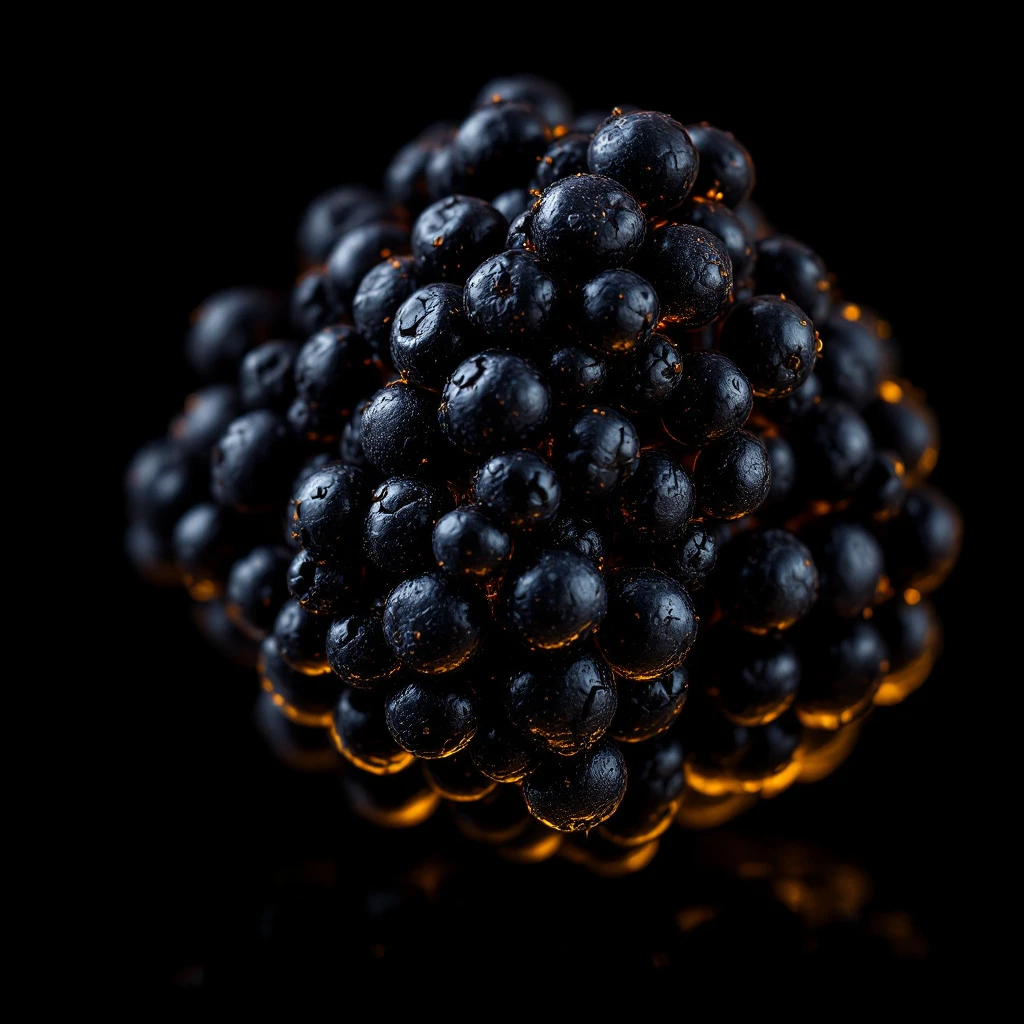
Character
How it smells
Sun-dried sweetness with wine-dark depth.
The same compounds that make raisins smell distinctive also give aged wines and maple syrup their characteristic aroma.




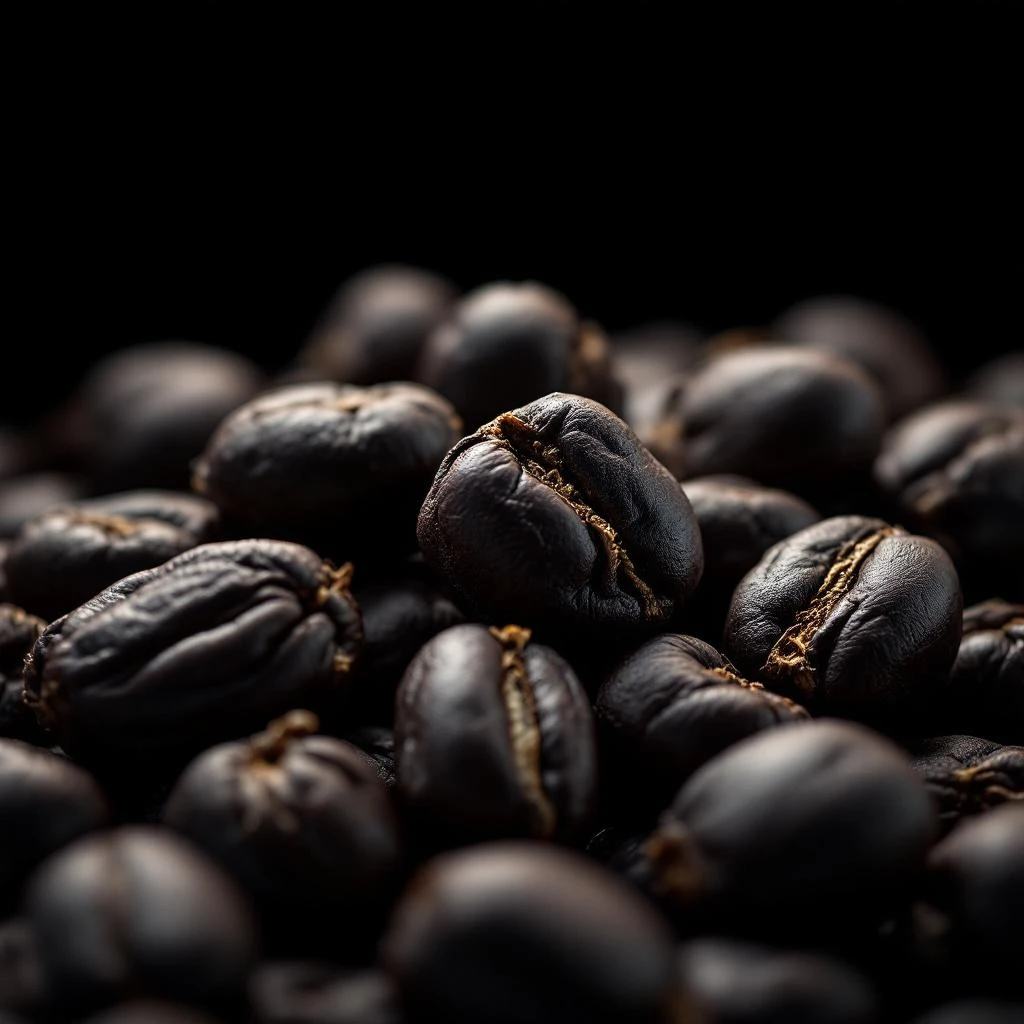
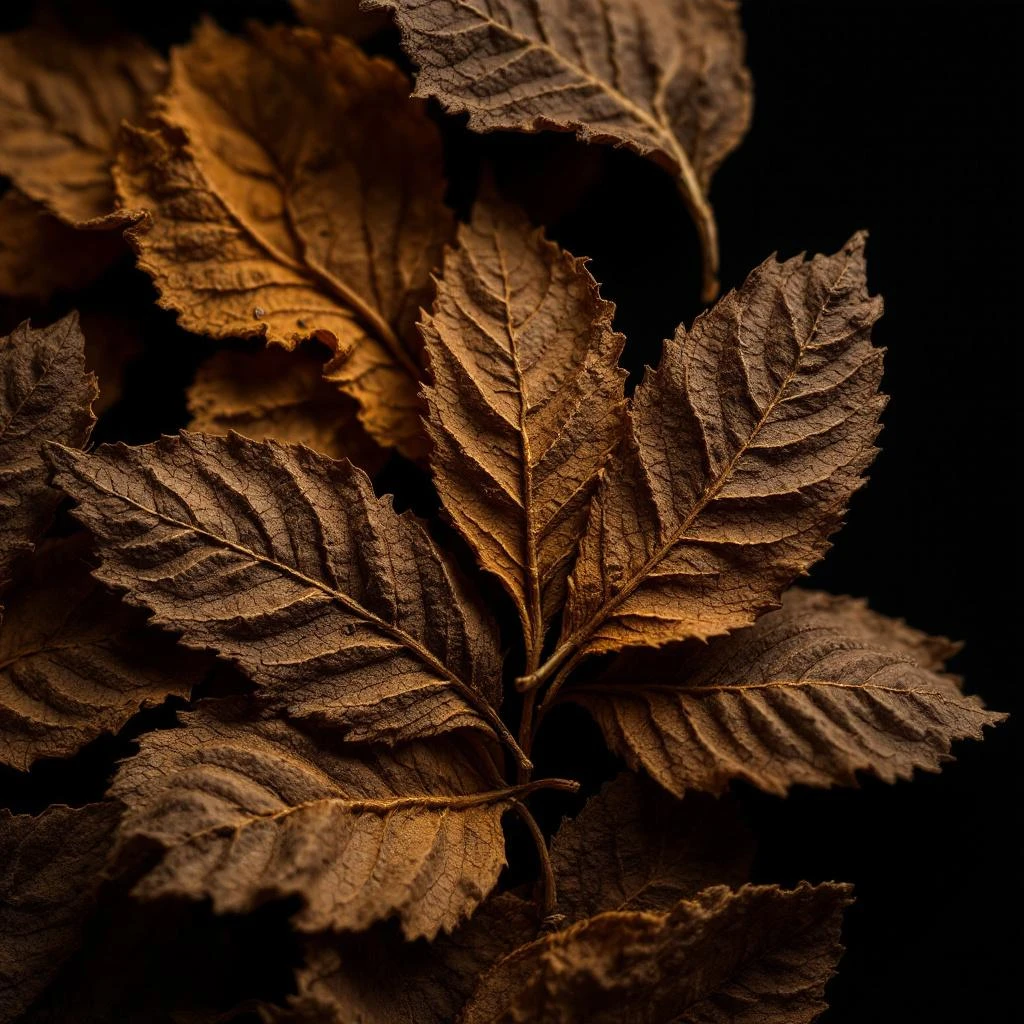



Origin
Greece
Grape cultivation dates to 6000 BCE in the Near East, with dried grapes becoming a preserved commodity traded across the ancient Mediterranean. Greeks and Romans prized grape-based preparations, precursors to modern fragrance materials.
Theraisin character entered perfumery through wine and brandy notes popular in 19th-century French compositions. Cognac, produced in the same French region that supplied fragrance houses, became a key material.
As perfumers explored richer, more opulent fragrance profiles during the 20th century's oriental revival, raisin notes gained prominence for their warmth and sensuality. Today, raisin remains a signature element in Ambre Nuit, Spiritueuse Double Vanille, and similar creations where deep, wine-dark sweetness anchors the composition.
Wears it best
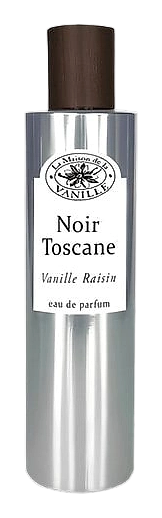
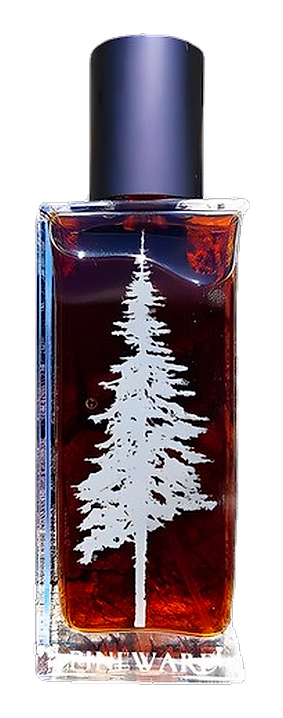
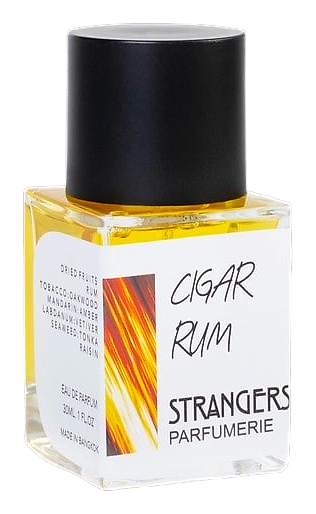
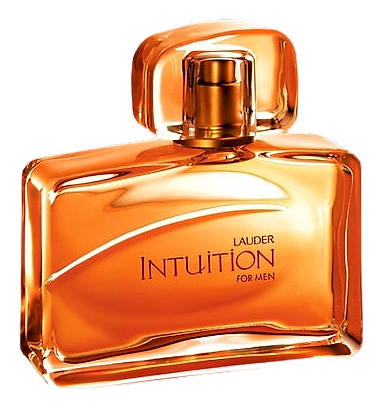
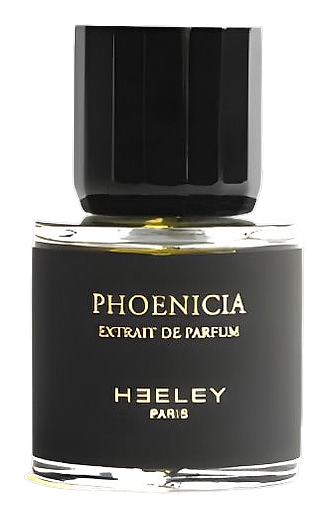
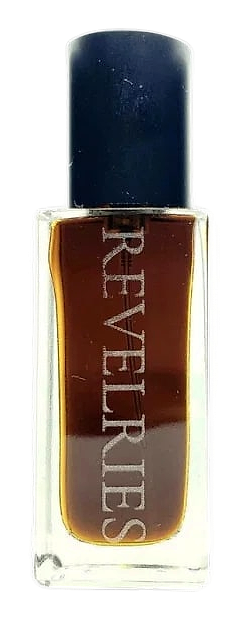
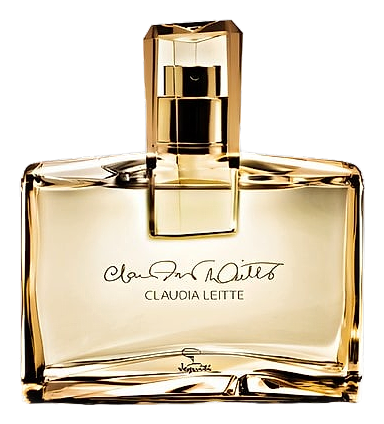
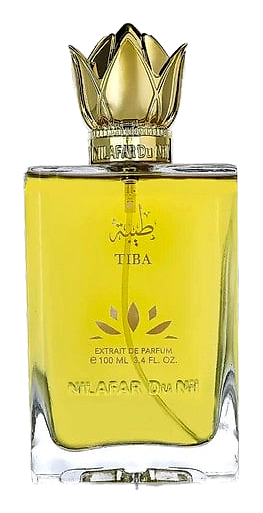
Fragrances featuring Raisin

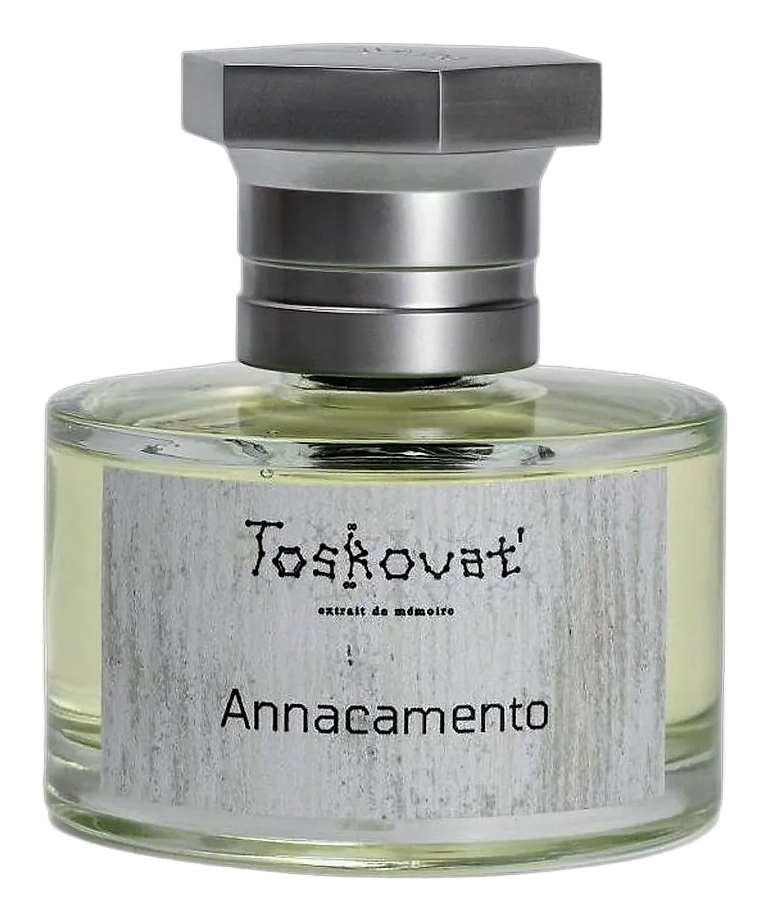
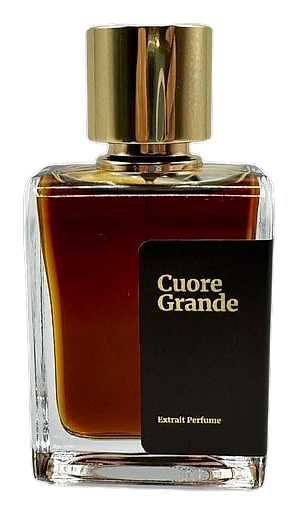
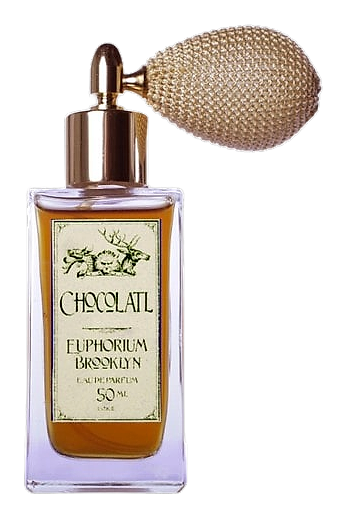
Brands
Brands known for Raisin
Good to know
Questions, answered
The essentials on Raisin in perfumery: how it smells, where it comes from, and how it behaves on skin.
What does raisin smell like in perfume?
Raisin delivers a warm, jammy sweetness with wine-like depth. Think sun-dried fruit, brown sugar, and subtle caramel with a fermented, luxurious quality. It creates a cozy, indulgent atmosphere in fragrance compositions.
Is raisin a natural or synthetic perfumery ingredient?
Natural raisin absolute exists but remains uncommon due to the fruit's low yield. Most perfumers use wine-derived materials, cognac oil, or nature-identical aroma chemicals to achieve the characteristic raisin profile consistently.
What type of fragrances feature raisin notes?
Raisin appears primarily in oriental fragrances and gourmand compositions. It adds warmth to amber-heavy formulas and richness to vanilla-forward scents. Think Ambre Nuit and Spiritueuse Double Vanille.
What mood does raisin create in fragrance?
Raisin evokes autumnal warmth, indulgence, and sensuality. The note suggests richness, depth, and a slightly fermented complexity that feels luxurious and comforting rather than simple sweetness.
When did raisin become a perfumery ingredient?
Grape-derived materials entered perfumery in the 1800s through French wine and cognac traditions. The raisin character gained prominence as oriental fragrances evolved, particularly during the 20th century's amber renaissance.
What pairs well with raisin in fragrance?
Raisin harmonizes naturally with warm materials: amber, vanilla, benzoin. Spices like cinnamon, clove, and cardamom enhance its richness. Woody notes, particularly sandalwood and oud, ground its sweetness beautifully.
How does raisin differ from wine notes?
Raisin focuses on dried fruit sweetness and caramelization, while wine notes emphasize fermentation and acidity. Raisin feels warmer, jammier; wine feels brighter, more complex. Many fragrances combine both for layered grape-derived depth.
What is the quality range for raisin materials?
Natural raisin absolute is rare and costly, with limited availability. Wine-derived materials and cognac oil offer authentic grape-derived character. High-quality synthetic reproductions provide consistent, affordable access to the signature sweet, wine-like aroma.