
The Story
Why it exists.
The beginning
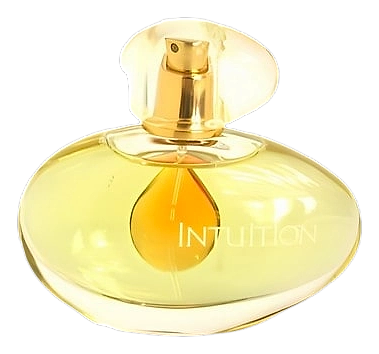
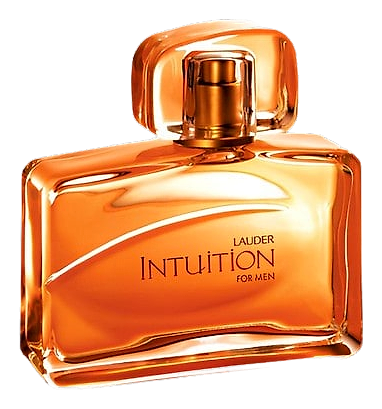
Estée Lauder has always made fragrances for people who know what they want. Intuition for Men arrived in 2003, with perfumer Yves Cassar and his team choosing a different direction: cucumber as the opening statement, delivering a cool, crisp freshness that quickly gives way to richer, more complex layers underneath. The base holds a warm, inviting character that develops gradually on the skin, becoming more personal as the hours pass. The name says it all. Not the cologne that shouts. The one that already knows.
What makes Intuition for Men work is the tension between its cool and warm notes. Cucumber reads as immediate freshness, but amber at the top? That's a choice. It means this fragrance never fully commits to the aquatic genre it's adjacent to. Instead, it pulls toward something richer, the sweetness of raisin and the resinous depth of labdanum and myrrh build quietly beneath the surface. Sage and cardamom keep the aromatic element grounded, while apple in the heart adds a fruity lift that prevents the whole thing from becoming too heavy. It's a cologne that rewards wearing, not just spraying.
The evolution
The opening hits fast, cucumber cool, amber warmth arriving almost simultaneously. Sage adds a green, slightly medicinal edge before the heart takes over around the thirty-minute mark. Apple and cedar arrive together, the apple sweetness softened by cedar's dry wood. The transition isn't dramatic; it's more like the conversation changing topics without anyone noticing. By hour two, the base notes are running the show. Raisin, incense, myrrh, labdanum, all that warm, resinous material settles into the skin and stays. The next morning, there's a faint ghost on fabric that smells like the decision was made and never reconsidered.
Cultural impact
Intuition for Men built warmth into its structure from the first spray, taking a different approach than many masculine fragrances of its era. The result is a cologne that reads as confident without being aggressive, the kind of fragrance that suits someone who doesn't need the room to know they've entered it. Its composition favors depth and subtlety, making it the sort of scent that rewards close attention rather than announcing itself across a space.
The House
Estée LauderEstée Lauder stands as one of the defining houses in modern perfumery, born from the ambition of a woman who believed every person deserved to feel beautiful. Founded in 1946 in New York City by Estée Lauder and her husband Joseph, the company began with just four skincare products and grew into the world's second-largest cosmetics corporation. Today, the brand continues to embody the founder's original vision of transformative beauty, creating fragrances that balance timeless elegance with contemporary relevance. Estée Lauder's scent collection spans decades of olfactory innovation, from the legendary Beautiful to newer interpretations that honor the house's rich heritage while appealing to modern sensibilities.
The Creator
Yves CassarCassar favors a structural approach that starts with a clear backbone—often a mineral or green element—then layers fruit, spice or floral accents around it. Vetiver, which he once compared to an adventurous explorer, appears in many of his compositions, providing earthy depth…