The Story
Why it exists.
The beginning
The name Assan comes from the mermaid in Phra-apaimanee, the 1200-page epic by the great poet Soonthorn Pu. A creature half-woman, half-fish who rescues the prince, bears his child, then returns to the ocean. She gives up everything for love, and the sea takes her back anyway. It's a story about belonging to two worlds at once, and never quite fitting in either. SIAM 1928 translated that liminal state into scent: marine and floral, salt and jasmine, the tension of a body that cannot decide whether it is on the shore or underwater. The mermaid narrative is the heart of Assan, not a marketing footnote.
Most aquatics lean synthetic, ozonic compounds, calone, marine accords that smell like pool chlorine and laundry detergent. Assan builds its marine character differently. Sea salt and seaweed anchor the drydown. Petitgrain and galbanum add botanical greenness, cucumber-like freshness, not synthetic brightness. Bergamot threads in citrus warmth. The result is an aquatic that feels organic rather than constructed. The white florals, jasmine, orange blossom, ylang-ylang, arrive clean and unsaturated, without the heavy creaminess that often overwhelms marine compositions. Frankincense and styrax add smoky resin that keeps the florals from feeling purely feminine.
The evolution
The opening hits fast, ozone and green notes like galbanum cutting through, bergamot adding citrus brightness beneath the coolness. Petitgrain brings a slight bitter-woody edge that stops the aquatic from feeling sterile. Within 20 minutes, jasmine, orange blossom, and ylang-ylang push the marine to the background. The florals stay crisp, not heavy. The heart lasts 2-3 hours. Then the drydown arrives, sea salt and cedar become the primary qualities as florals fade back in, bringing warmth and resinous depth. Labdanum adds dry resin. Seaweed lingers. Cedar anchors everything. The sillage stays moderate throughout, not projecting far, but never disappearing. Most skin types get 6-8 hours of wear.
Cultural impact
Assan draws from the mermaid character in Phra-apaimanee, the 1200-page epic by the poet Soonthorn Pu. The novel tells of her sacrifice to save the prince, her impossible love, her return to the sea. Rather than synthetic marine compounds, the perfumer uses actual sea salt and seaweed for organic aquatic depth. The contrast between cool ozonic freshness and warm white florals is the structural tension that makes Assan interesting, it doesn't choose between them.
The House
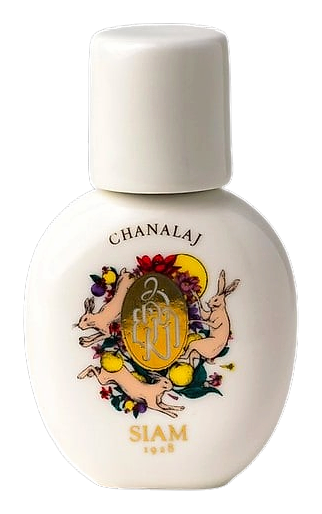
SIAM 1928SIAM 1928 is a Thai niche perfumery house founded in Bangkok in 2019 by Nutt Wesshasartar, who serves as both founder and perfumer. The house draws its name from the year Thailand began using the Gregorian calendar, marking a significant cultural transition point. SIAM 1928 creates fragrances that draw deep inspiration from Thai history, mythology, literature, and the natural landscape. Each scent functions as a narrative vessel, translating cultural stories and spiritual themes into olfactory form. The house operates as an independent artisan brand, producing limited collections that reflect a distinctly Thai perspective on perfumery. Nutt Wesshasartar develops all fragrances personally, combining traditional Thai aromatic materials with contemporary perfumery techniques. The brand has released multiple notable fragrances including Wasan, Rasvika, Chanalaj, Rosen Bridge, Aerapata, Sadayu, and the 2025 releases Kubera Raja, Akkhara, and Dhatarattha Raja.
The Creator
Nutt WesshasartarHer signature approach favors fresh, translucent compositions with a marked preference for botanicals native to Southeast Asia. Wesshasartar demonstrates particular skill with green and citrus elements, building fragrances that feel airy yet substantial.