The Story
Why it exists.
The beginning
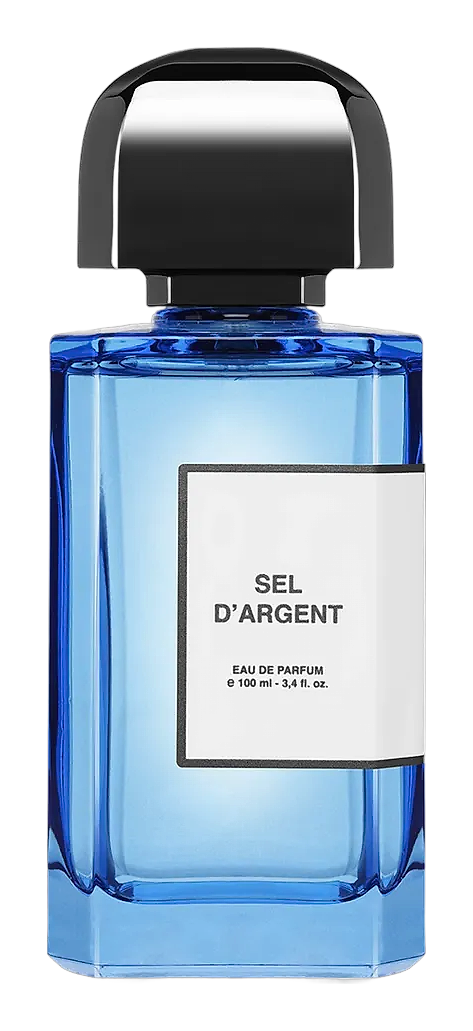
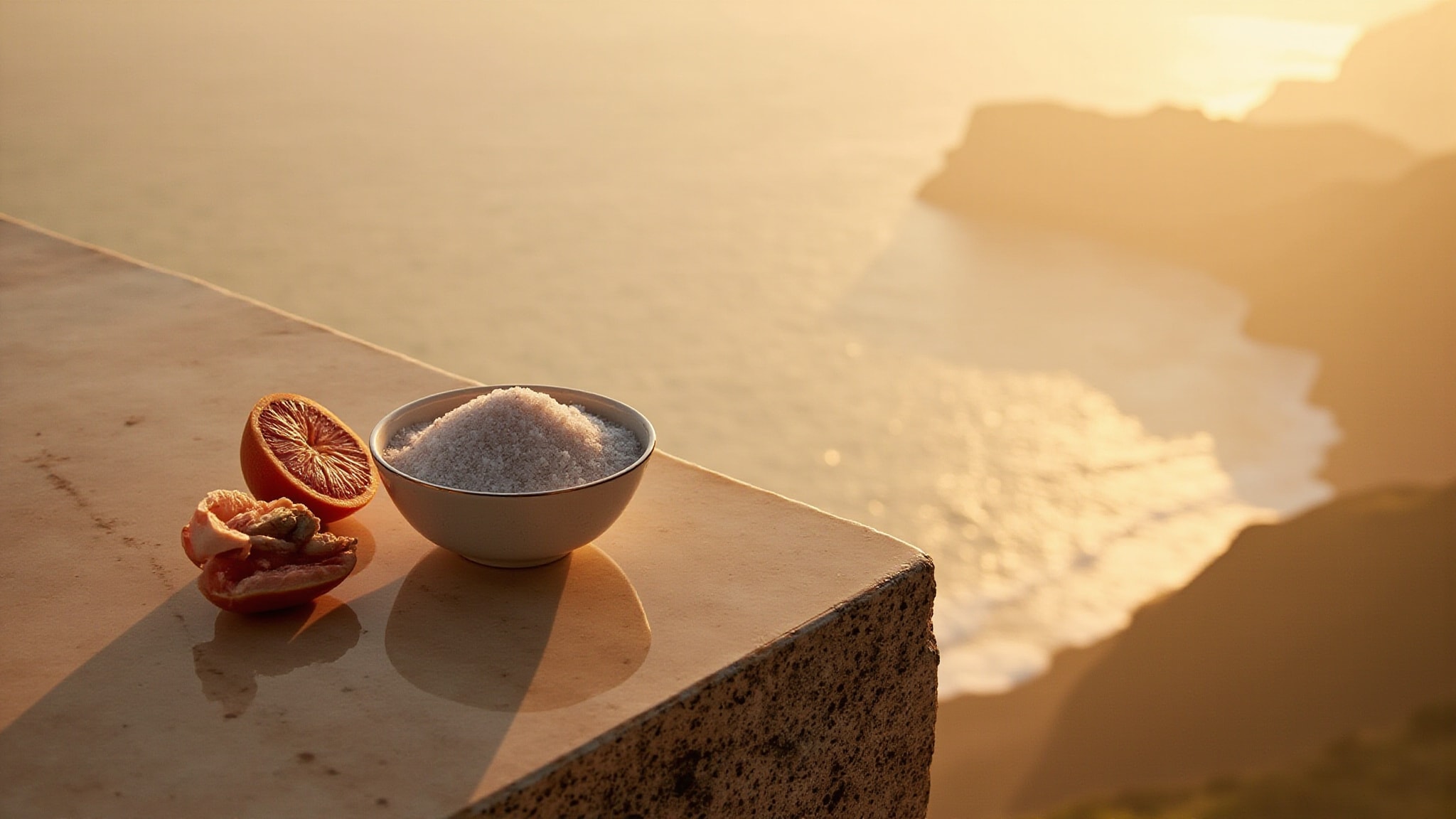
The Isle of Beauty is what the Corsicans call their island. Late afternoon light on granite rocks. The sea turning silver as the sun drops. A swim barely an hour ago, and salt is drying on skin that the sun hasn't finished warming. The waves are going quiet. The moon appears, shy, as the red sun sets. On the walk home, fig trees perfume the early evening. The air carries the clear, wistful feeling of summer's last act. Anne-Sophie Behaghel didn't try to bottle the sea. She bottled the memory of it, salt as a sensation, not a setting. The official note from the house describes it precisely: skin warmed by the sun after a late afternoon swim, nostalgia for a moment on the rocks of a Corsican beach, shaded by the maquis. That's the whole brief. Behaghel translated it into something that opens mineral and bright, then settles into warmth that feels exactly like skin after the water goes still.
What makes Sel d'Argent different is what the salt is doing. This isn't an aquatic fragrance in the traditional sense, there's no water, no kelp, no marine accord trying to replicate the ocean. The salt is mineral. Primal. The kind of salt that sits on skin after you've come out of the sea and you're still wet. It changes the way the citrus and florals behave. They don't open fresh and recede, they open sharp and then surrender to the salt, which becomes the dominant character. The ambroxan in the base is doing something similar to what ambroxan does best: it adds warmth without sweetness, a skin-like quality that amplifies the memory being evoked.
The evolution
The opening hits mineral and bright. Salt arrives first, then grapefruit and bergamot give it a brief citrus flash, that clean, slightly bitter quality that makes the salt feel cleaner, sharper. The orange blossom and ylang-ylang enter quietly, not to soften the salt but to warm it. They add a sun-kissed quality rather than a floral one. The galbanum is the surprise: a green, slightly bitter note that keeps the heart from becoming too sweet. By the mid-point, the salt has settled into the skin. The florals are warm now, not bright. The composition reads as one thing: warm skin, close to the body, intimate. The base arrives not with a dramatic shift but with a gradual softening. Ambroxan and cashmeran and white musk blend into something that smells like skin but better, the memory of salt, the warmth of sun, no sharp edges. The drydown lasts 6-8 hours on most skin types. The next morning, there's a trace of salt and musky warmth on the wrist, like the smell of sea air still in your hair.
Cultural impact
Sel d'Argent occupies a specific corner of the aquatic category, not the clean, soapy aquatics of the early 2000s, and not the marine ozonic trends that followed. It's salt as memory, salt as sensation, salt as the smell of skin after the sea. The fragrance has found its audience among people who want intimacy over projection, who prefer the smell of a specific moment over a generic fresh scent. Since its 2020 launch, it's become a staple for warm-weather wear in the niche community, particularly for those seeking something salt-forward that doesn't smell like pool chlorine or shower gel.