Iran galbanum
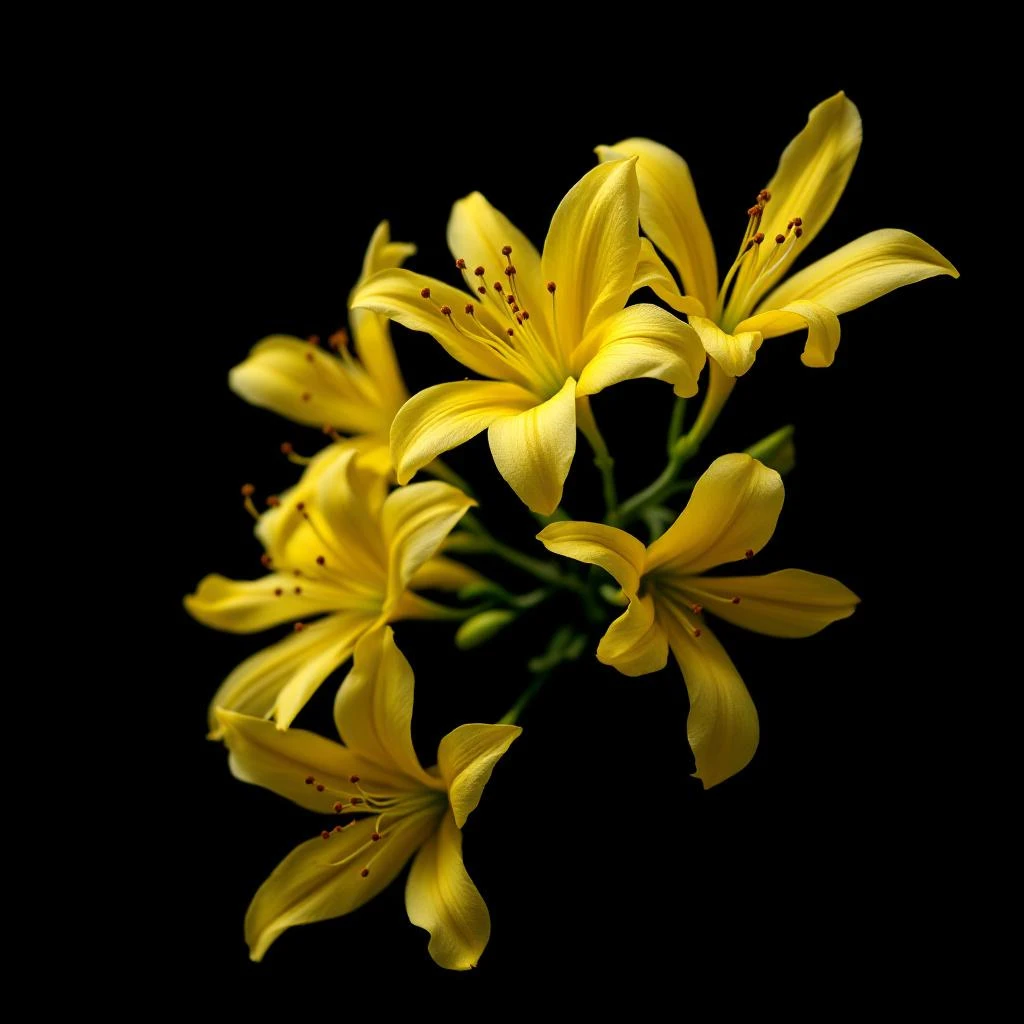
Iran galbanum is a rare resin harvested from Ferula plants growing on the Iranian plateau. Its milky gum yields an intensely green, slightly bitter essential oil that defines the benchmark for green notes in fine perfumery. Used since antiquity, it remains one of perfumery's most prized and costly natural ingredients.
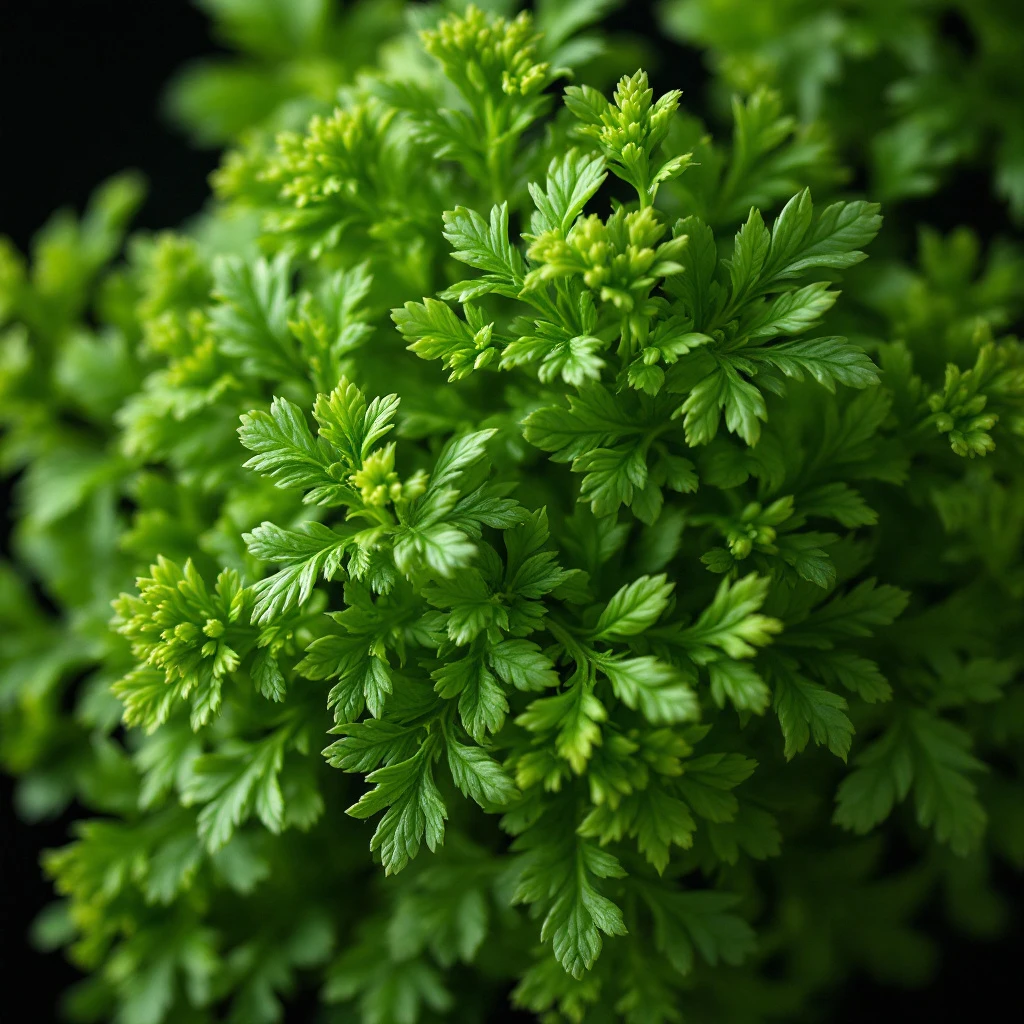
Character
How it smells
The green resin that shaped millennia of perfumery.
Iran produces virtually all of the world's galbanum, making it a singular geographic treasure in modern perfumery.





Origin
Iran
Galbanum carries one of the longest unbroken records of any natural perfumery ingredient. It appears in the Old Testament as a component of holy incense, and Egyptian texts document its use in embalming preparations. Ancient Persians, who first cultivated knowledge of the Ferula plant, incorporated galbanum resin into medicinal and ceremonial preparations for centuries before perfumery existed as a Western discipline.
Greek physicians including Dioscorides recorded its therapeutic applications, and Roman physicians including Galen documented its use in second-century medical practice. Greek and Roman perfumers burned galbanum in incense, added it to scented bath waters, and incorporated it into skin balms and unguents. Throughout antiquity, galbanum occupied a dual role as both medicine and luxury cosmetic ingredient.
The name itself derives from the Hebrew chelbenah, revealing deep roots in ancient Middle Eastern aromatic tradition. When modern perfumery emerged in the 19th century, perfumers turned to galbanum as the reference point for creating green accords, a role it retains today.
Wears it best
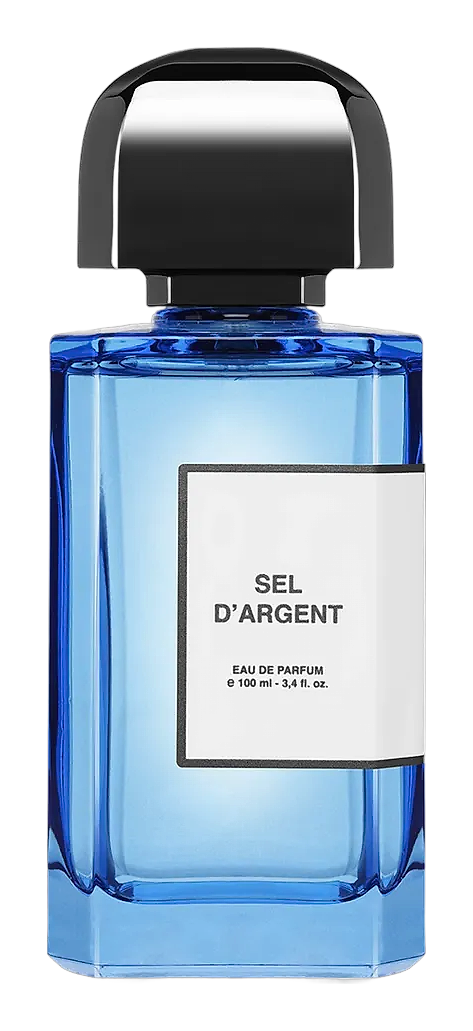
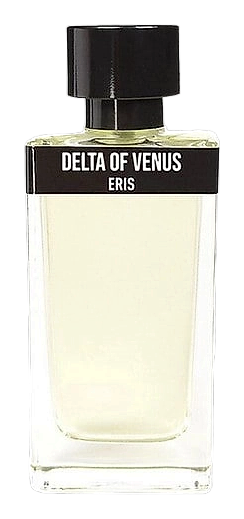
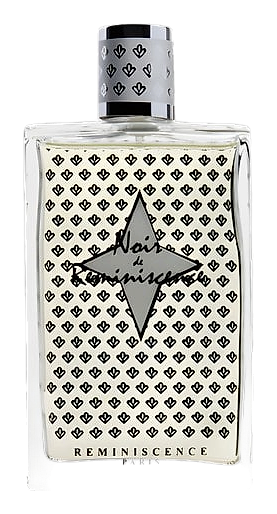
Fragrances featuring Iran galbanum
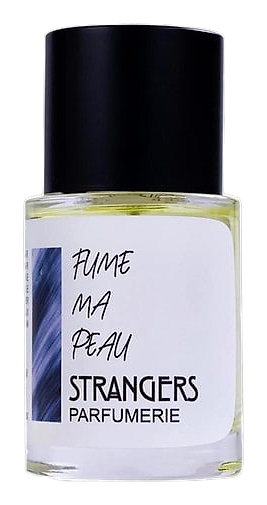
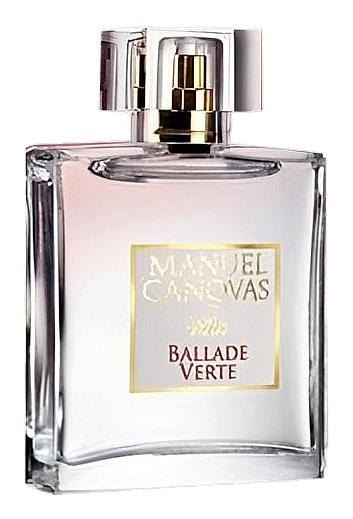
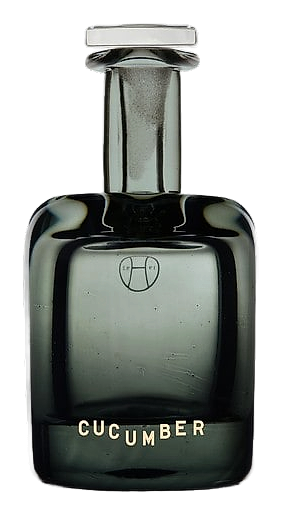
Brands
Brands known for Iran galbanum
Good to know
Questions, answered
The essentials on Iran galbanum in perfumery: how it smells, where it comes from, and how it behaves on skin.
What does Iran galbanum smell like?
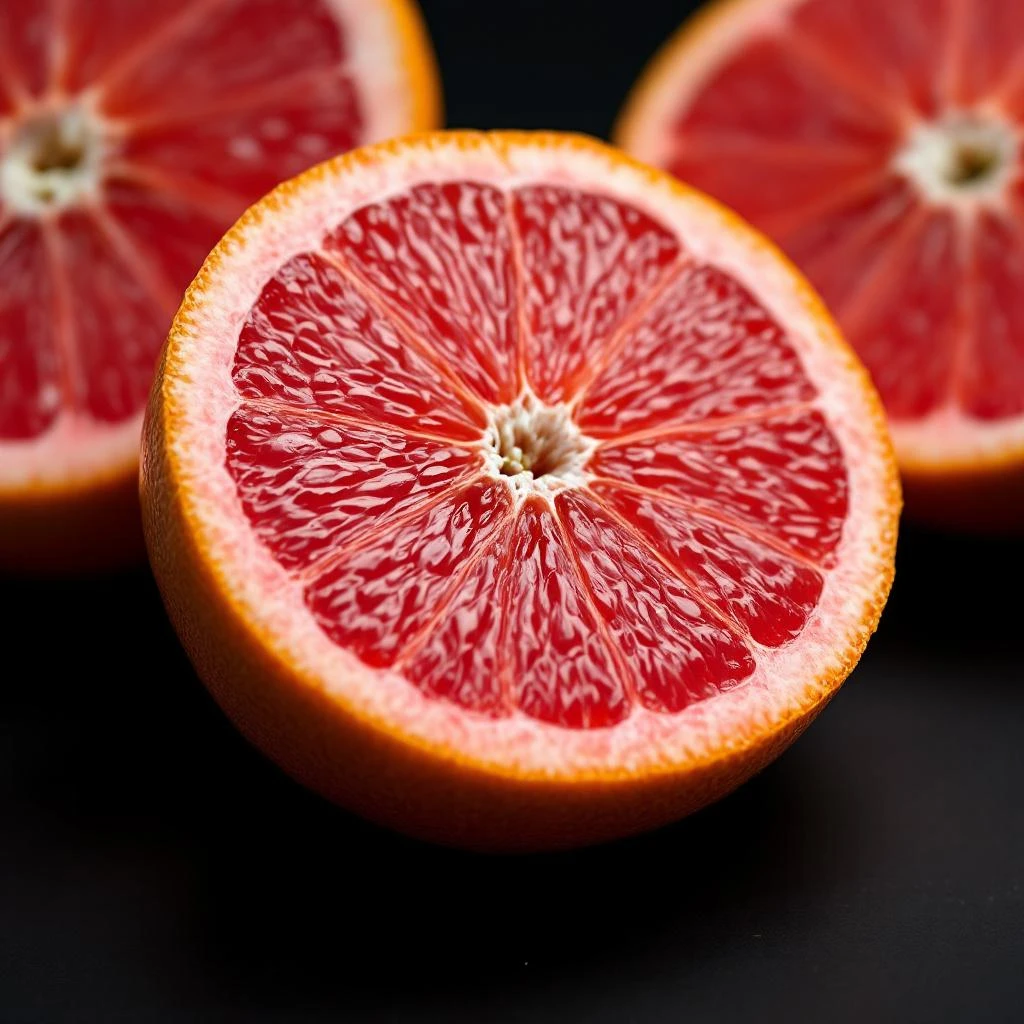
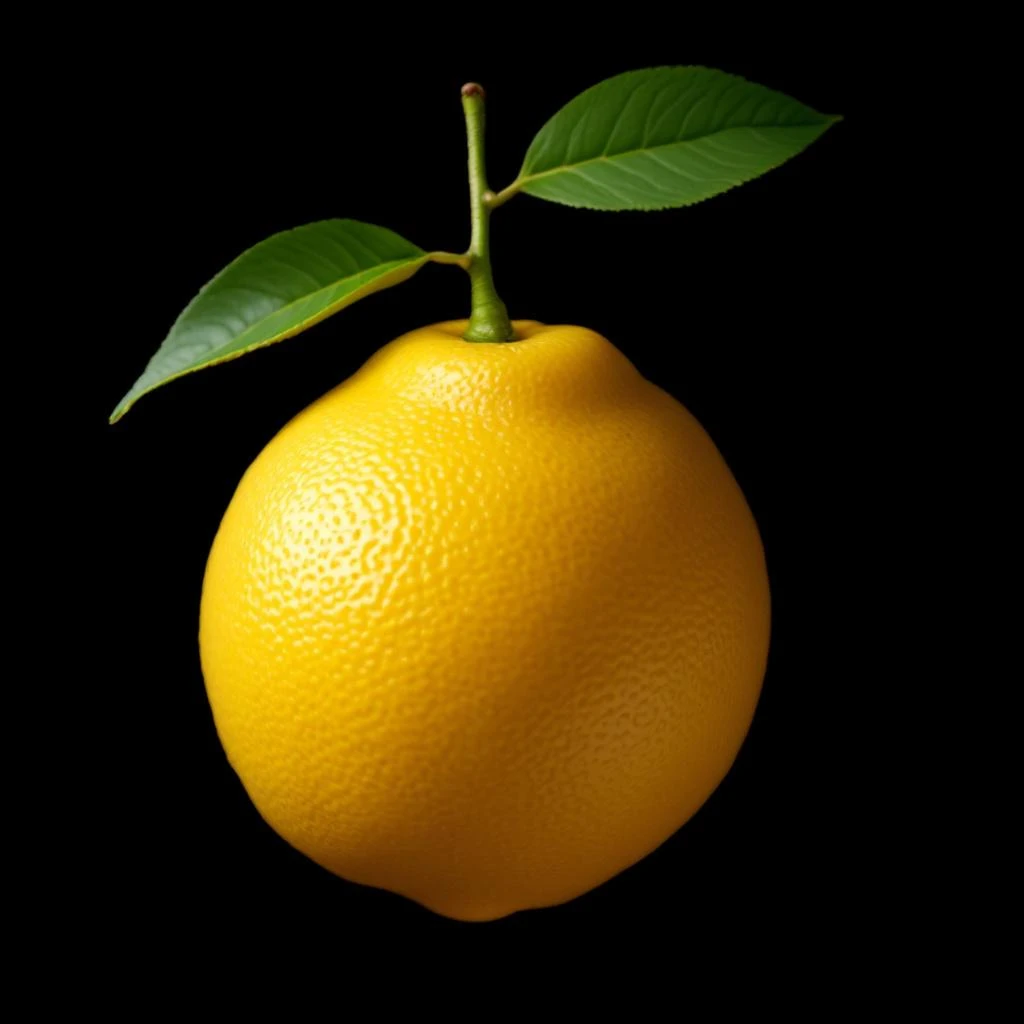
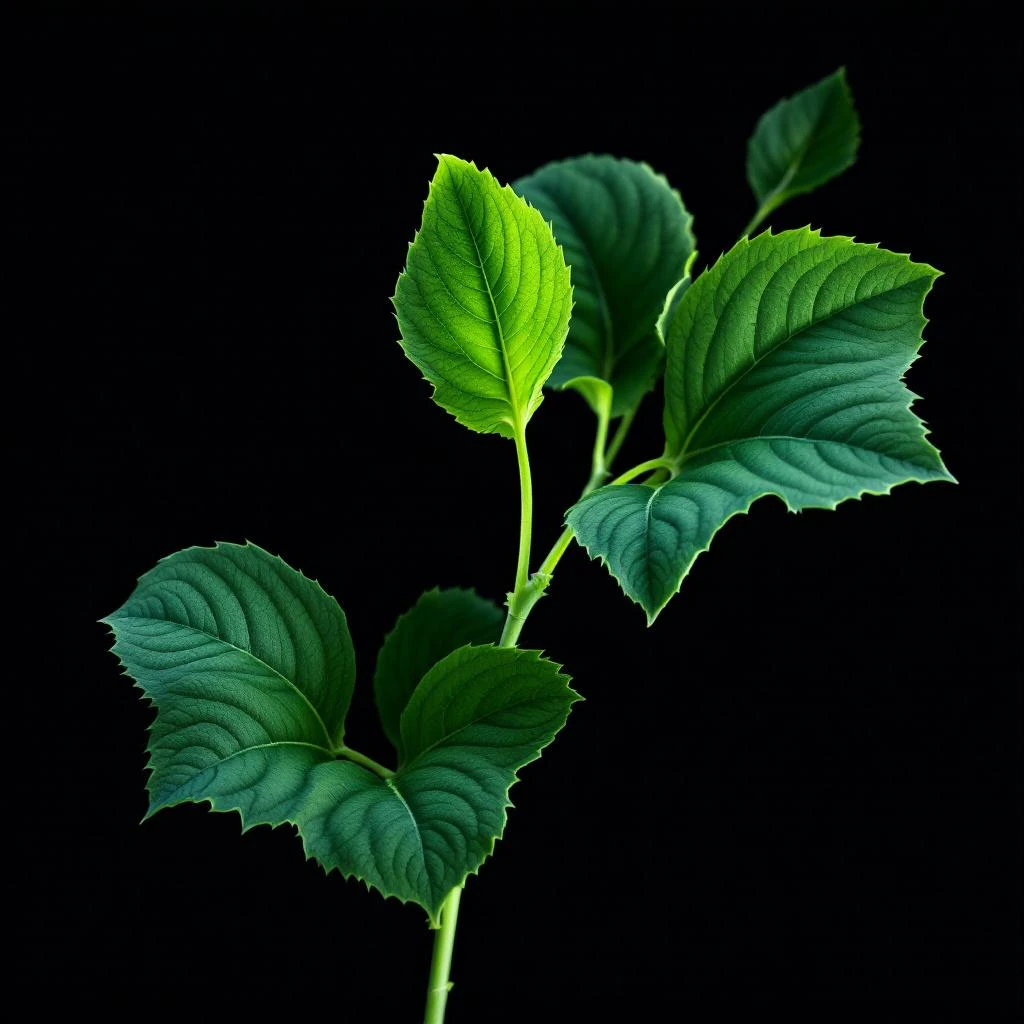
Galbanum delivers a piercing, intensely green aroma with bitter vegetable and herbaceous qualities. It evokes fresh-cut celery and the scent of crushed leaves. On skin, it initially reads sharp and raw before evolving into fresher green tones with subtle floral warmth, finally settling into deeper resinous warmth.
What plant produces galbanum resin?
Galbanum comes from Ferula gummosa, an umbelliferous plant native to the high plateau of Iran and parts of Afghanistan. The resin exudes from the root collar when the plant is wounded. Ferula species also produce other prized aromatics like asafoetida.
Is galbanum used in modern perfumery?
Yes. Galbanum remains a cornerstone for creating green notes in fine fragrance. It appears in formulas like Chanel No. 19, Givenchy III, and numerous contemporary scents. Its ability to add sharp, natural green lift without synthetic character makes it irreplaceable for luxury perfumers.
Is galbanum mentioned in ancient texts?
Yes. Galbanum appears in the Old Testament as an ingredient in holy incense. Egyptian embalming texts and Greek medical manuscripts by Dioscorides also reference it. Roman physician Galen documented its therapeutic applications in second-century Rome.
Why is galbanum so expensive?
Low yield from fresh plant material drives up costs significantly. The plant grows only in specific regions of Iran, and harvesting requires precise timing and skilled technique. Combined with limited global production, galbanum remains among the pricier natural ingredients in perfumery.
Does galbanum smell different over time on skin?
Galbanum evolves noticeably. It opens with sharp, almost aggressive green vegetable notes. Within minutes, it softens into a cleaner, fresher green with hints of floral warmth. As it dries down, the resinous depth emerges, adding warmth and persistence.
Are there synthetic alternatives to galbanum?
Synthetics like pinene and various green molecules attempt to replicate galbanum's character but fall short of its full complexity. Nature-identical compounds capture individual facets, yet no synthetic fully replaces the multidimensional quality of natural galbanum resin.
Is galbanum sustainable?
Galbanum is not classified as endangered, but it is rare and geographically limited. Sustainable harvesting practices are essential given the concentration of production in Iran. Climate factors affecting the Iranian plateau can impact supply and quality year to year.