The Story
Why it exists.
The beginning
Aerapata draws from Thai mythological tradition, the naga, a serpent being from Thai folklore that inhabits rivers and forests, close to the human realm. The name refers to one of four primary naga families, species that evolved from single-headed forms into something more magnificent through virtue cultivation. This fragrance translates that legend into olfactory form: a rainforest where moss-covered trees surround a pond, water ferns swaying at the surface. That's the dwelling of the Aerapata naga. That's the world this scent builds.
What makes Aerapata interesting is the tension between its cool green opening and its warm earthy base, a Chypre structure that pulls in two directions. The perfumer chose orris root as the bridge between jasmine's warmth and oakmoss's astringency, creating a middle ground that feels neither purely floral nor purely mossy. It's that negotiation between cool and grounded that gives the fragrance its character. The Indian patchouli isn't decorative, it's foundational, working alongside the oakmoss to anchor every bright note that came before.
The evolution
The opening (bergamot, petitgrain, hyacinth) arrives with purpose, clean, green, that stem-snapping brightness that's impossible to ignore. Thirty minutes in, jasmine peeks through, almost honeyed, while oakmoss and patchouli assert themselves with damp earth. By hour two, the composition has settled into its true character: moss and wood, close to skin, intimate sillage that refuses to shout. Six to eight hours of this arc, getting quieter, more personal. The next morning on fabric? Still that faint green-earth, like the memory of a forest after rain.
Cultural impact
SIAM 1928 occupies an interesting position as a Thai niche house in the global fragrance landscape. Each fragrance functions as a narrative vessel inspired by Thai cultural material, mythology, literature, and natural environment. Aerapata translates the world of Thai naga legends into scent, making cultural storytelling the brand's differentiator in a crowded niche market.
The House
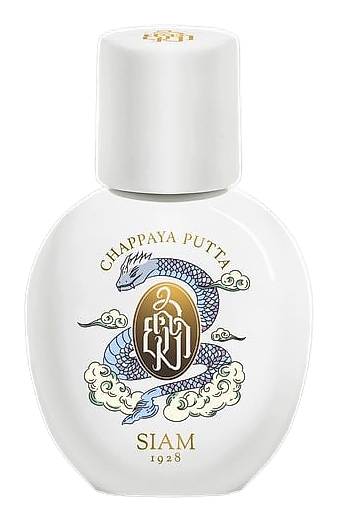
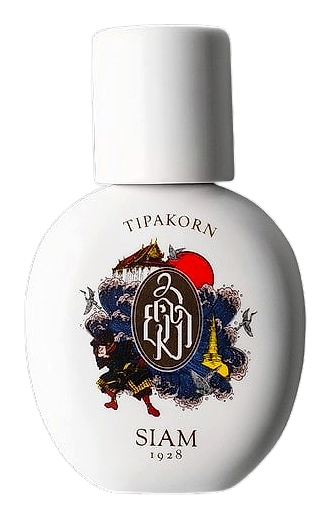
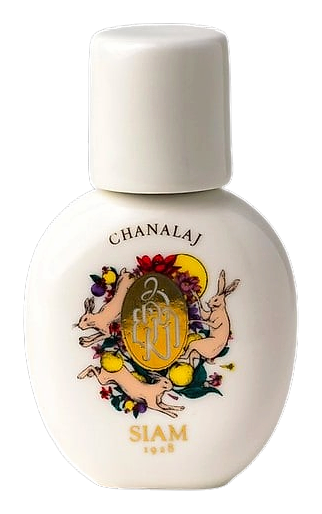
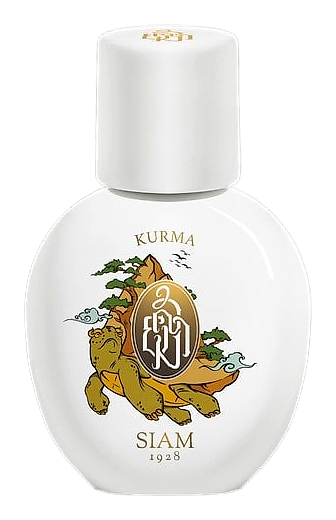
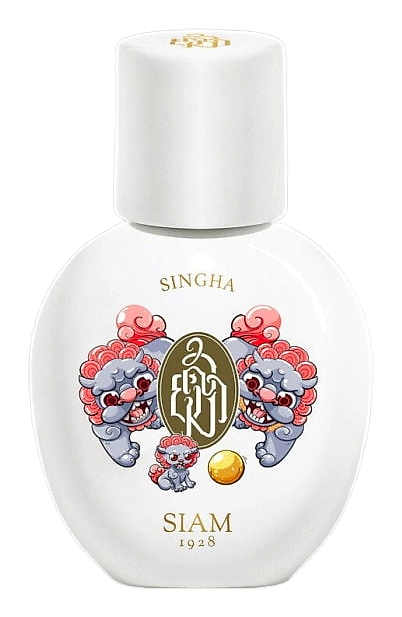
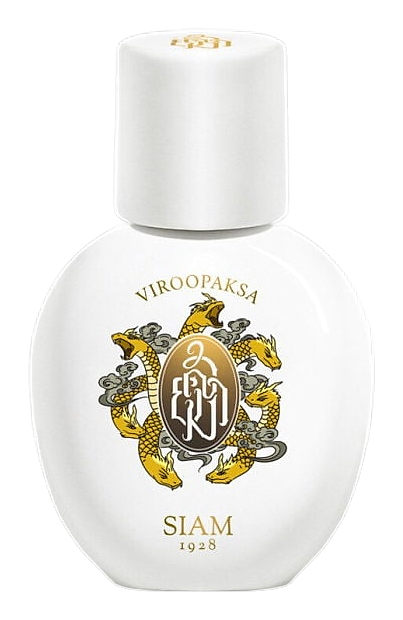
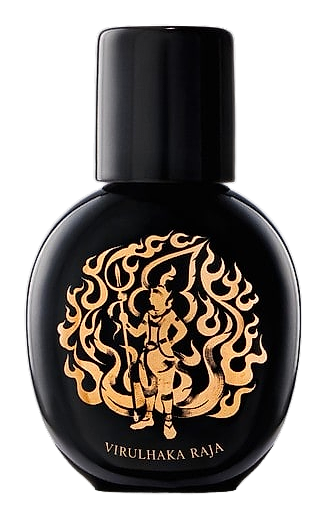
SIAM 1928SIAM 1928 is a Thai niche perfumery house founded in Bangkok in 2019 by Nutt Wesshasartar, who serves as both founder and perfumer. The house draws its name from the year Thailand began using the Gregorian calendar, marking a significant cultural transition point. SIAM 1928 creates fragrances that draw deep inspiration from Thai history, mythology, literature, and the natural landscape. Each scent functions as a narrative vessel, translating cultural stories and spiritual themes into olfactory form. The house operates as an independent artisan brand, producing limited collections that reflect a distinctly Thai perspective on perfumery. Nutt Wesshasartar develops all fragrances personally, combining traditional Thai aromatic materials with contemporary perfumery techniques. The brand has released multiple notable fragrances including Wasan, Rasvika, Chanalaj, Rosen Bridge, Aerapata, Sadayu, and the 2025 releases Kubera Raja, Akkhara, and Dhatarattha Raja.
The Creator
Nutt WesshasartarHer signature approach favors fresh, translucent compositions with a marked preference for botanicals native to Southeast Asia. Wesshasartar demonstrates particular skill with green and citrus elements, building fragrances that feel airy yet substantial.