The Story
Why it exists.
The beginning
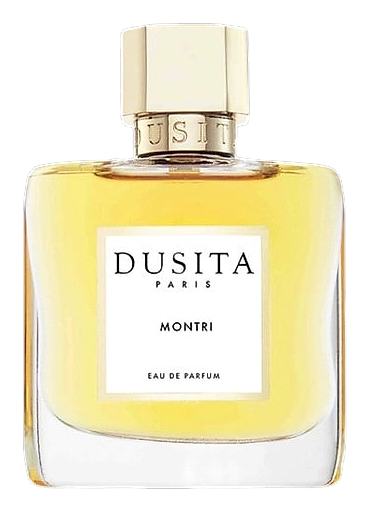
Montri was born from something deeply personal. Pissara Umavijani created it as a direct tribute to her father, named after him, built around the qualities she associate with who he was: his character, his convictions, the fragrances he actually loved. "For my thirteenth perfume, I wanted to pay an even more direct homage to his personality," she said. Rather than simply memorializing the past, she imagined what he would have wanted today, had he still been alive. A fragrance that honors a man through the language of scent, that takes poetry and translates it into something you can wear.
What makes Montri distinctive is the way it handles contrast. The opening deploys an entire spice cabinet, saffron, nutmeg, coriander, cinnamon, oregano, arranged as a cloud rather than an assault. Petitgrain cuts through with green clarity. The dried fruit accord adds a quiet sweetness that prevents it from becoming medicinal. It's a sophisticated opening, one that announces complexity without demanding you decode it. Then the heart introduces orris butter, a material few perfumers use at full concentration, alongside Damask rose and Rose de Mai, creating a floral heart that feels both lush and grounded.
The evolution
The first minutes hit fast. Saffron arrives immediately, bright and almost metallic, followed quickly by nutmeg and the green bite of petitgrain. The dried fruit accord appears within ten minutes, jammy, sweet, a surprising gourmand note that doesn't feel out of place. By the thirty-minute mark, the leather emerges, dark and textured, and the roses begin to unfold: not fresh-cut but extract-dense, the kind of rose intensity that only exists in concentrated form. Jasmine sambac and ylang-ylang add creaminess beneath the rose, while orris butter introduces a powdery violet undertone that keeps the heart from becoming heavy. The base arrives gradually, oud Palao asserting itself as the anchor, dark, resinous, with that characteristic smoky edge that defines Laotian oud. Sandalwood and cedar provide warmth, while patchouli and vetiver keep the earthiness present. Tonka bean adds a quiet sweetness that prevents the drydown from becoming austere. The drydown holds for hours. Oud and sandalwood linger on fabric even after the wearer has left the room.
Cultural impact
Montri stands apart in the oud conversation through its orris-forward heart and the way it handles spice, not as a sharp opening but as a persistent undertone that survives into the drydown. Wearers describe it as the scent of someone who walks into a room and doesn't need to announce themselves. The fragrance has found its audience among those who appreciate complexity without spectacle, and who understand that a personal dedication can become a universal appeal.