The Story
Why it exists.
The beginning
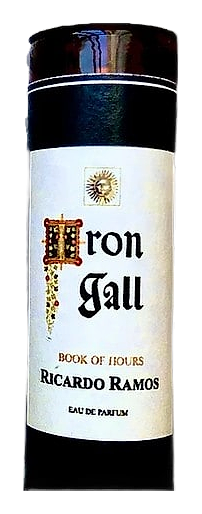
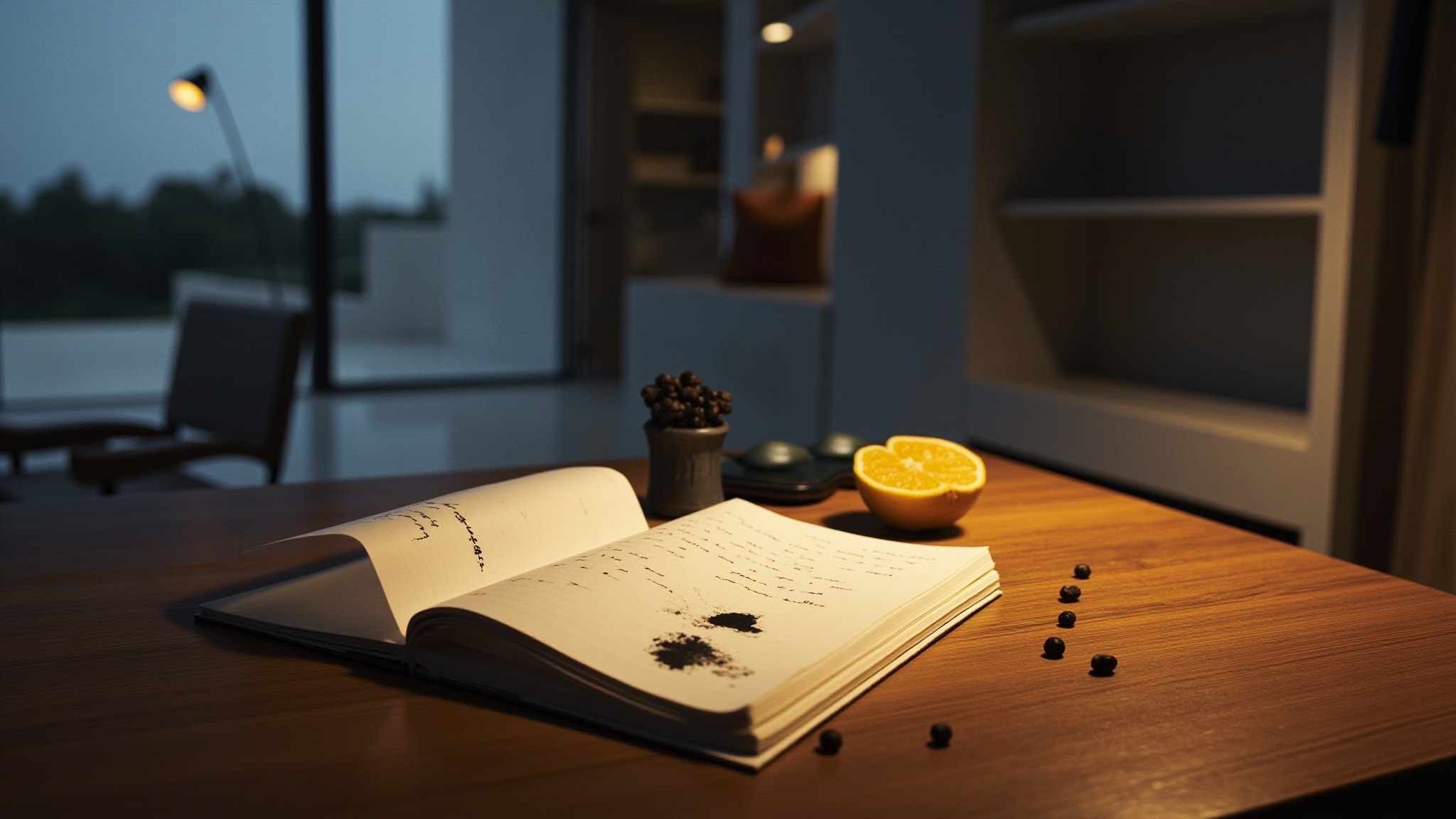
Iron Gall was created by Ricardo Ramos and launched in 2021 within the Book of Hours suite. Its name evokes the darkened character associated with iron gall ink, a distinctive writing material used across different periods and cultures. The name gives the fragrance a tactile, literary identity, connecting its composition to the physical impression of ink on a page. On the skin, that idea becomes a study in contrast: citrus, aromatic woods, resins, mosses, spices, and mineral accords arranged with the precision of a composed formula. The scent opens brightly before gradually gaining weight, moving from crisp freshness into resinous depth and a dry, earthy finish.
The composition is built around a striking opposition. Yuzu, salt, and black pepper form a lively opening, while hinoki and lavender give it aromatic clarity. Styrax, sandalwood, saffron, and patchouli pull the center downward into resin, wood, spice, and earth. Musk, cedar, galbanum, oakmoss, and amber complete a dry, forest-floor base. The unusual combination gives the scent a tactile quality, balancing fresh citrus and herbaceous notes with darker woods, sticky resins, and textured moss.
The evolution
The opening begins with a clean expression of citrus and salt, sharpened by black pepper while lavender and hinoki keep the edge herbaceous rather than sweet. As the bright facets recede, saffron and styrax introduce a resinous warmth, and sandalwood and patchouli give the middle a darker, almost ink-stained body. The surprise arrives in the drydown: galbanum and oakmoss bring a green-black mineral edge, while cedar, amber, and musk make the final trail soft, dry, and close to skin. As the fragrance settles, its profile shifts from a crisp aromatic opening to a deeper blend of resin, wood, spice, moss, and musk. The darker notes gain prominence while the citrus facets become more subtle, revealing a composition that moves between freshness and density with a measured, deliberate pace.
Cultural impact
Iron Gall sits within the Book of Hours suite, where medieval manuscript culture provides a framework for the fragrance's presentation. Rather than functioning as a literal reconstruction, the scent translates its subject into an abstract arrangement of materials and impressions. Citrus, pepper, hinoki, and lavender establish an aromatic opening, while styrax, sandalwood, saffron, patchouli, galbanum, oakmoss, cedar, amber, and musk build layers of resin, wood, spice, earth, and texture.
The House
Ricardo Ramos Perfumes de AutorRicardo Ramos Perfumes de Autor creates artistic fragrances from Granada, Spain. Each scent references Andalusian history, colonial trade routes, and the cultural mix of South American expatriates who live in Granada and Istanbul. The line balances vintage ingredients such as oud, ambergris, and citrus with modern laboratory techniques, offering collectors a narrative that feels both scholarly and sensual. Recent releases like HooDoo Blues (2023) and Manigua (2025) illustrate the brand’s ongoing dialogue between past and present, while older classics such as AGUA DE BARCELONA (2004) remain reference points for the house’s evolving language.
The Creator
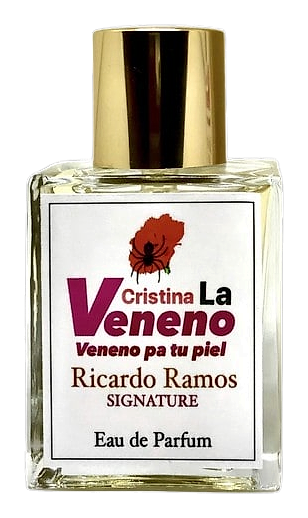
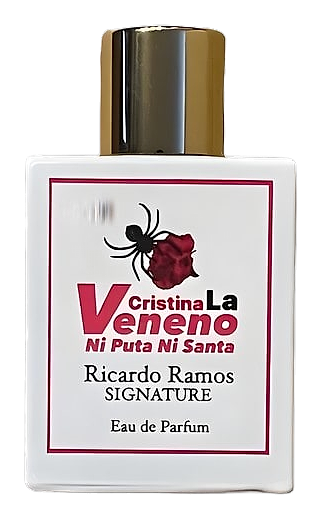
Ricardo RamosRamos gravitates toward opulent, characterful compositions that refuse to disappear into the background. Oriental structures appear frequently in his work, as seen in Cristina la Veneno, an assertive unisex fragrance that takes its name from Spanish cultural iconography and wr…