The Story
Why it exists.
The beginning
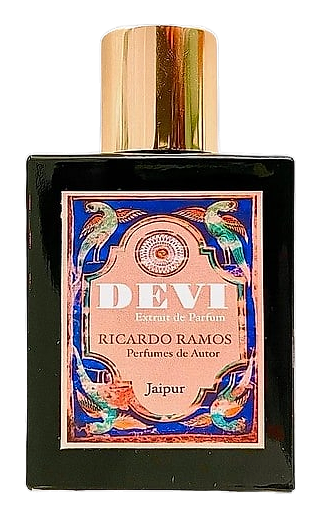
Devi is Ricardo Ramos's tribute to Gayatri Devi, the last Maharani of Jaipur, a woman Vogue included among the ten most beautiful in the world, who later became a successful politician after India's independence and the abolition of princely states. She was an icon of fashion and political grace, and she refused to be only one thing. Ramos translated that refusal into scent. The name alone is a statement: Devi, the divine feminine, invoked not as ornament but as force. This is confidence that doesn't negotiate. Elegance that knows its own power.
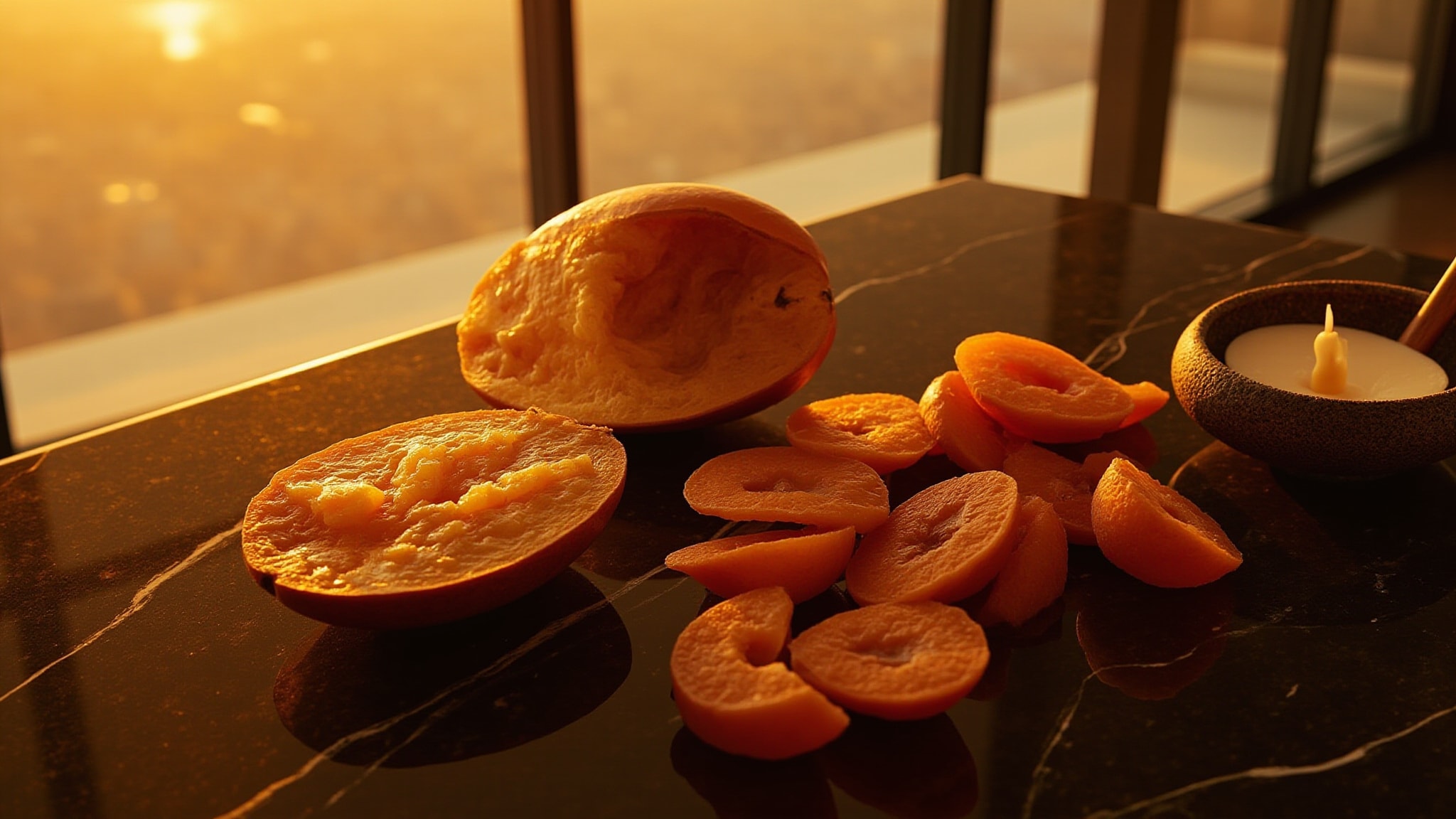
What makes Devi unusual is its structural audacity: tropical fruits, mango, dried apricot, coconut, as the opening, then Indian spices, jasmine sambac, sandalwood, and neroli in the heart, before oud, iris, castoreum, and musk arrive in the base. Most fragrances named after royalty go immediately for opulence. Devi earns it. The coconut isn't sunscreen-sweet; it's humid and animalic, pushing the mango past tropical cliché and toward something warmer. The jasmine sambac doesn't play polite, its indolic waxy quality reads like skin, like warmth, like presence. And the oud isn't decorative. It's the spine.
The evolution
The mango arrives aggressive. Not politely sweet, sticky-ripe, the kind of fruit you'd buy from a stand at noon in August. Dried apricot follows, bringing a jammy depth that borders on leather. Coconut softens the blow without becoming innocent. It keeps the top lush, humid, almost animalic in its creaminess. Jasmine sambac enters the conversation with its waxy, indolic voice, wrapping around sandalwood and a whisper of masala chai. Neroli flickers, a brief citrus breath, before the oud takes the room. Smoke. Resin. Something medicinal and resinous that cuts through the sweetness like a blade through silk. Then the iris and castoreum arrive. Powdery. Animalic. The sweetness becomes secondary to something warmer and more intimate. Musk holds it all close to the skin for hours.
Cultural impact
Devi occupies a distinctive niche in contemporary perfumery, Indian in inspiration but filtered through a Spanish sensibility. The tropical-fruity opening distinguishes it from conventional oud fragrances, which tend to open with saffron, rose, or amber. Instead, mango and coconut arrive first, creating a composition that's lush and approachable before the jasmine, spices, and oud arrive. It's a fragrance that rewards patience and challenges expectations. The jasmine sambac and oud pairing creates a compelling tension, floral beauty against something darker, more animalic, that feels intentional rather than accidental. Ricardo Ramos has built a house that attracts collectors who want fragrance as narrative, and Devi is one of its most personal statements yet.