The Story
Why it exists.
The beginning
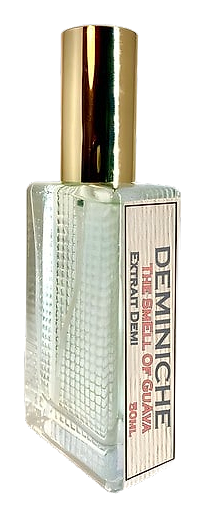
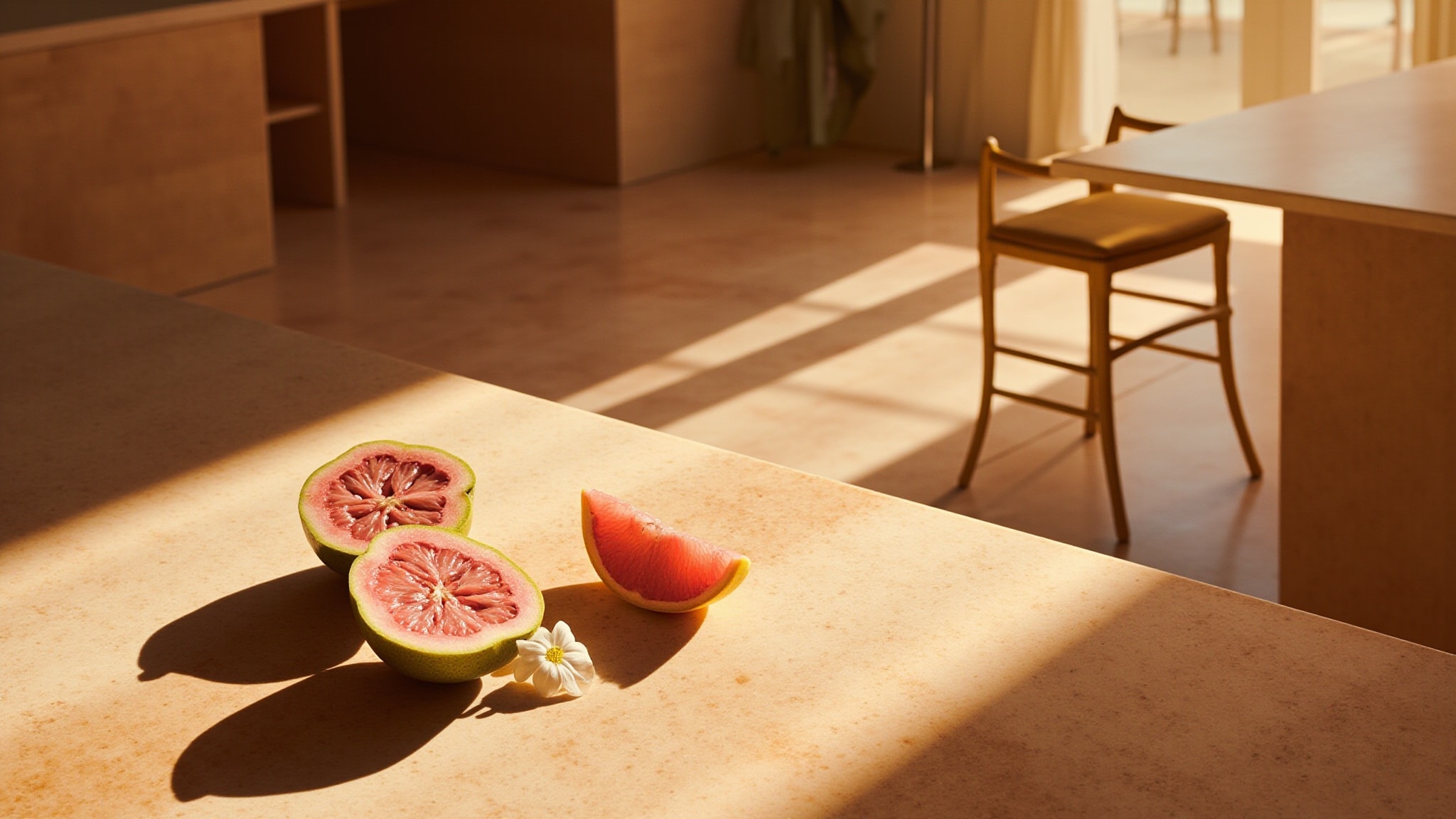
The name says everything. Ricardo Ramos didn't reach for metaphor or poetic distance, he named this one The Smell of Guava because that's exactly what it is. The inspiration traces to Gabriel García Márquez's autobiographical memoir, The Fragrance of Guava, a text that holds the fruit as something deeply personal in Colombian life. Ramos, whose own background carries South American roots through his grandfather's horseman stories from Colombia, wanted to translate that specific cultural intimacy into scent, not nostalgia, but something living and sensory. Guava appears everywhere in Latin American kitchens and markets, eaten fresh or turned into sweets, but rarely in perfumery. The challenge became: how do you capture the fruit's skin-warm juiciness without collapsing it into generic tropicality?
The answer lies in what surrounds the guava. Tuberose is the counterweight, opulent, almost waxy, slightly animalic. It doesn't fight the fruit; it gives it somewhere to live. Grapefruit in the top adds a tartness that keeps the opening from feeling overly ripe, a small acidic lift that clears the composition before the white florals take over. In the heart, Yuca Cassava (a starchy tropical root) and ginger introduce an earthy-spicy dimension that you don't often find in fruity florals. It's this unexpected warmth that separates The Smell of Guava from the category's usual playbook, it smells like something you could actually eat, which is the highest compliment a gourmand-adjacent fragrance can receive.
The evolution
The opening hits bright and tart. Grapefruit and guava arrive together, the citrus cutting through the fruit's tropical weight for the first 20 minutes, clean, awake, almost sharp. Then the tuberose swells. It doesn't replace the guava; it wraps around it, softening the edges into something rounder and more opulent. The jasmine and cyclamen arrive quietly, adding a powdery floral layer that lifts the composition upward. By hour two, the guava has settled into the background and the sandalwood takes command, creamy, warm, faintly woody, with labdanum providing a faint resinous depth underneath. The vanilla doesn't announce itself. It lingers. Six to eight hours later, on fabric especially, what remains is a skin-close warmth: musk, sandalwood, and a ghost of something tropical. Not sweet anymore. Just warm.
Cultural impact
The Smell of Guava occupies a specific and underserved space in niche perfumery: the tropical gourmand that refuses to be safe. While many houses have explored Latin American ingredients, few have done so with this level of restraint and cultural specificity. The García Márquez reference anchors it to a particular literary and geographic consciousness, this isn't a fragrance for people who want to smell tropical; it's for people who know what guava actually smells like and want that translated faithfully. The house's broader catalog, from AGUA DE BARCELONA to HooDoo Blues, suggests a brand built for wearers who treat fragrance as an intellectual pursuit as much as a sensory one.