Yuca Cassava
From tropical soils to fragrance compositions, Yuca Cassava brings an unexpected earthy depth that grounds lighter notes and adds rustic warmth to perfumes.
Character
How it smells
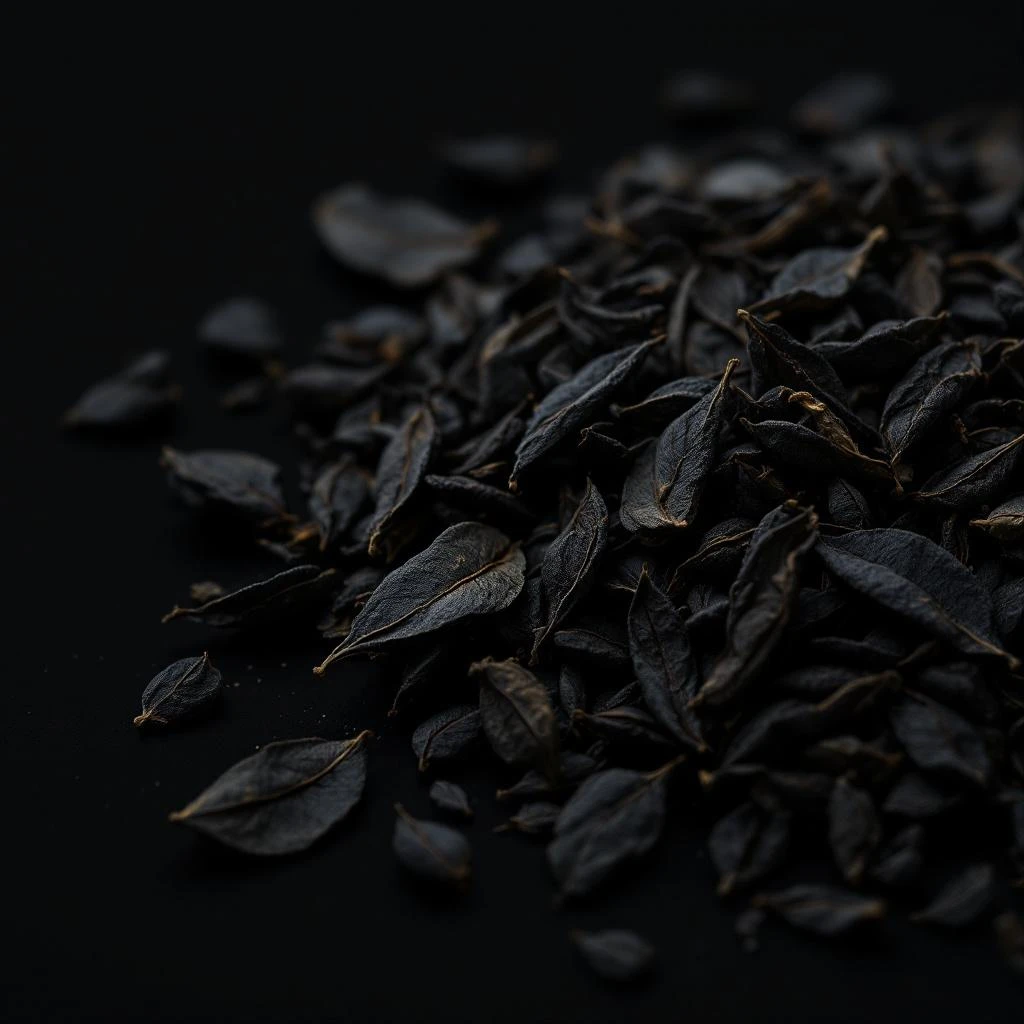
Root-sourced earthiness that anchors fragrance.
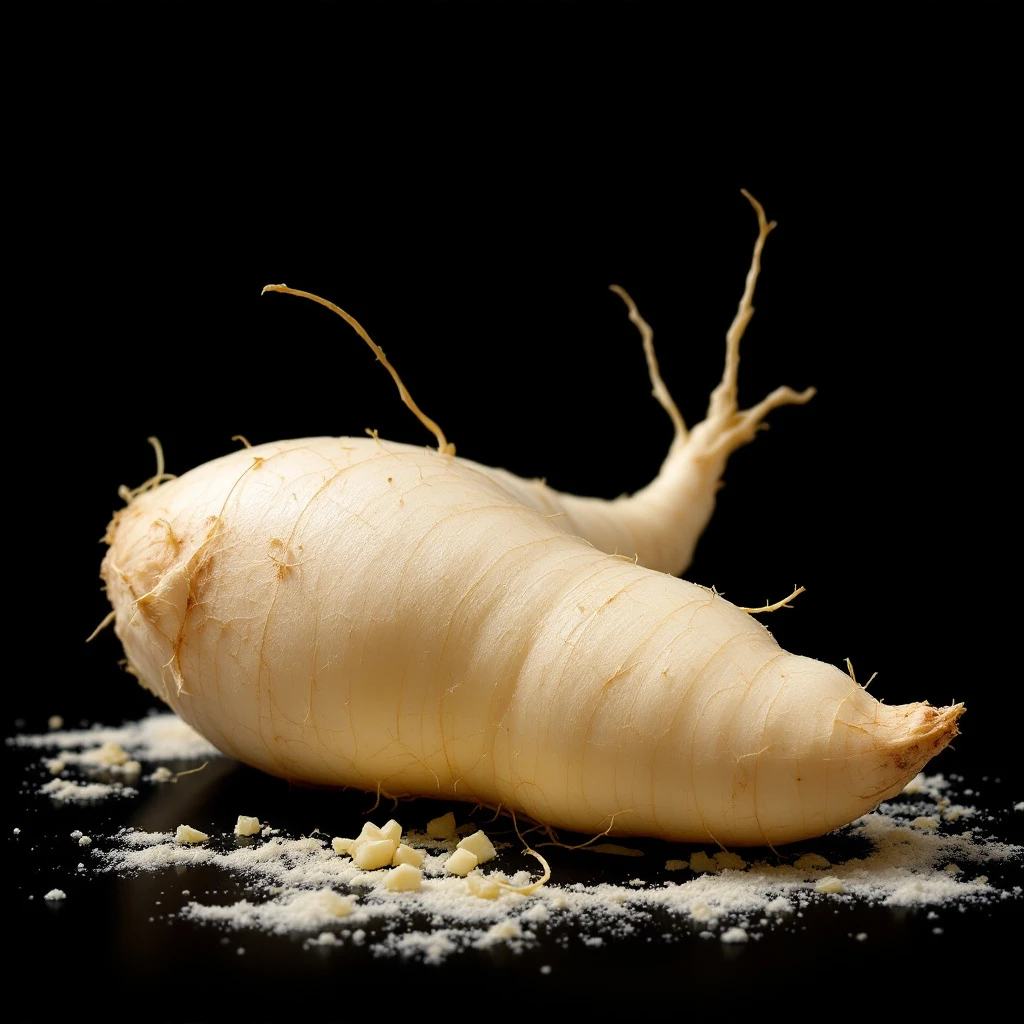
Cassava roots can grow up to 1 meter long and have sustained populations across tropical regions for over 9,000 years.



Origin
Vietnam
While cassava has fed civilizations for millennia, its use in perfumery remains remarkably recent. Originating in South America, indigenous peoples cultivated this resilient crop long before European contact.
Portuguese traders carried the plant to Africa during the 16th century, and it spread rapidly through tropical regions of Asia, becoming a dietary staple across Thailand, Cambodia, and Vietnam. Fragrance chemists began exploring its aromatic potential in the late 20th century as interest grew in unconventional natural materials.
Today, cassava extract appears in niche fragrances that seek earthy, grounded characters, standing apart from more conventional root notes like vetiver or iris. The ingredient represents perfumery's ongoing discovery of overlooked botanical sources from global food traditions.
Wears it best
Fragrances featuring Yuca Cassava
Brands
Brands known for Yuca Cassava
Good to know
Questions, answered
The essentials on Yuca Cassava in perfumery: how it smells, where it comes from, and how it behaves on skin.
What does Yuca Cassava smell like in perfume?
Cassava extract delivers an earthy, rooty aroma with mineral undertones. It resembles damp soil and wet stone, lending fragrances a grounded, organic quality that pairs well with green and woody notes.
Is Yuca Cassava the same as Yucca?
No, these are distinct plants. Cassava (Manihot esculenta) is a tropical tuber crop, while Yucca comprises ornamental desert plants. Both appear in cosmetic formulations but differ botanically and aromatically.
Why is cassava rarely used in perfumery?
Cassava prioritizes starch production over aromatic compounds. Only small quantities of extractable material exist per root, making sourcing inconsistent and economically challenging for large-scale fragrance production.
Where does cassava for perfumery originate?
Thailand, Vietnam, and Cambodia represent the primary cultivation zones. Vietnam's tropical climate and fertile soils produce cassava with favorable aromatic profiles for extraction purposes.
How do perfumers use cassava extract?
Cassava extract functions as a base-note modifier. Tiny quantities add depth and earthiness to fragrance compositions, typically used at under 2% concentration to avoid heavy, starchy impressions.
What extraction method captures cassava's aroma?
Solvent extraction yields the strongest aromatic material from cassava roots. This process separates the aromatic compounds from the starchy root tissue more effectively than steam distillation.
Has cassava been used historically in fragrance?
No historical precedent exists for cassava in traditional perfumery. The ingredient emerged in niche fragrance formulations during the late 20th century as perfumers experimented with unconventional botanicals.
Does cassava extract contain any allergens?
Like many plant extracts, cassava may trigger sensitivities in susceptible individuals. Regulatory bodies classify it among fragrance materials requiring standard disclosure on ingredient labels.