The Story
Why it exists.
The beginning
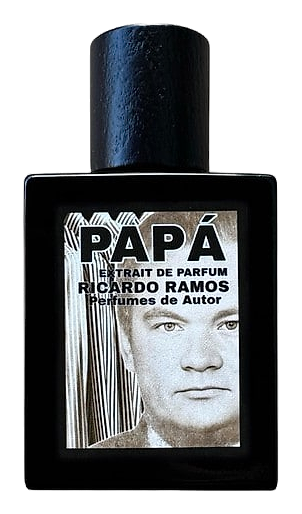
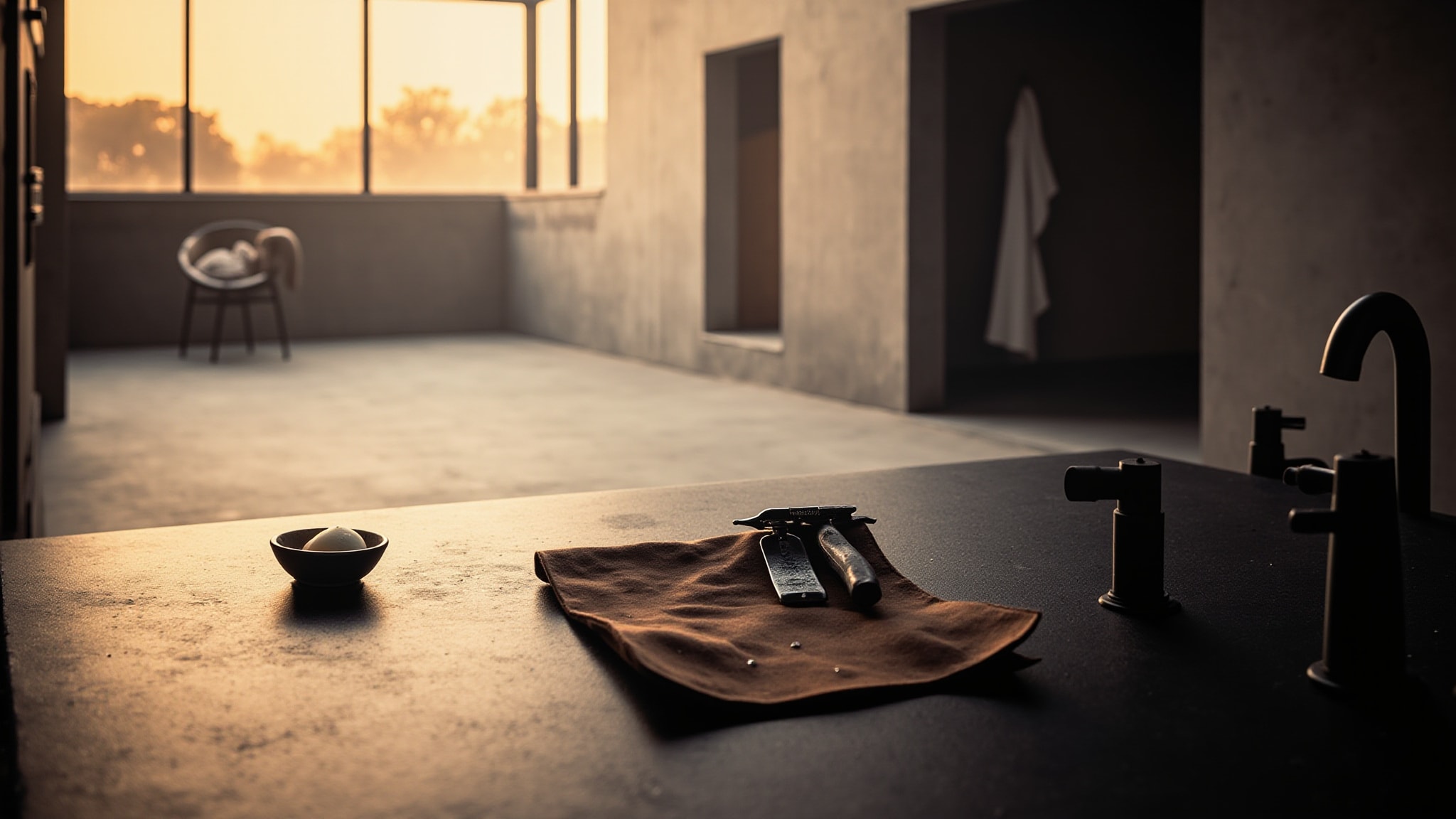
PAPÁ is Ricardo Ramos's direct tribute to his father. Not a generalized idea of masculinity or fatherhood, a specific memory, rendered in scent. Shaving cream, a brush, the particular alchemy of soap and warm skin. That's what PAPÁ replicates, not a fantasy of masculinity, but the sensory reality of a man who showed up the same way every morning. It's a tribute that works precisely because it doesn't reach for the abstract. The father isn't mythologized. He's remembered in the language of smell.
What makes PAPÁ distinctive is its willingness to anchor a fougère structure in something literal and personal rather than romantic. The gunpowder note doesn't just add mineral depth, it sharpens the bergamot and sage into something that reads like smoke and metal, a contrast to the softness of the tonka-lavender heart. At the base, that metallic-sweet nuance grounds the composition in something close and personal rather than projecting outward. PAPÁ doesn't want to fill a room. It wants to be recognized on the skin of someone who knows what they're doing.
The evolution
The opening is immediate: gunpowder's mineral bite alongside bergamot's citrus brightness, sage adding a green herbal edge that keeps things grounded. It reads sharp, almost austere. Within twenty minutes the fougère architecture reveals itself as lavender and geranium arrive, softening the green sharpness into something warmer and more familiar. Tonka bean pulls the heart toward sweetness without ever making PAPÁ dessert. Guaiac wood adds a quiet resinous smoke that deepens the middle. By the second hour, the base arrives, musk and amber wrapping the earlier brightness in something closer, warmer. The blood note, that metallic-sweet nuance the review mentioned, settles against the skin like the memory of clean-shaved skin and soap. Oakmoss keeps it grounded without ever going dark. On fabric, it outlasts the skin. PAPÁ lasts, not by projecting, but by staying.
Cultural impact
PAPÁ carves a unique space in modern perfumery by merging traditional fougère roots with an unexpected gunpowder accord, challenging conventions of masculine fragrance design. Ricardo Ramos approaches fragrance creation as cultural storytelling, using bergamot and basil to bridge Mediterranean herbal traditions with Latin American aromatic sensibilities. The scent resonates with those seeking gender-neutral appeal in masculine scents, sparking dialogue about breaking perfumery boundaries. Its gunpowder note isn't merely a marketing element but represents a deliberate artistic choice, reflecting contemporary desire for fragrances that provoke and surprise. As niche perfumery continues evolving, PAPÁ stands as an example of bold cultural interpretation.