
The Story
Why it exists.
The beginning
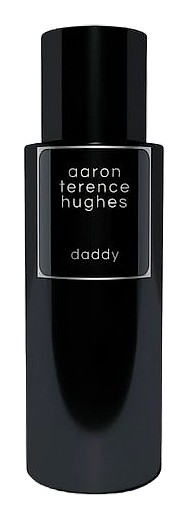
You get what the perfumer intended, not what a focus group approved. No inherited luxury, no gatekeepers. Daddy arrived in 2021 with a deliberately provocative name, same formula as Zeus but with a different character entirely. Where Zeus carries mythological weight, Daddy takes a different approach. The same concentration, the same notes, pick the name that fits the moment.
The 'skin accord' in the base is the tell. That's the warm skin of someone who doesn't need to announce themselves. The brand didn't hide it. The brand made it the drydown. Vanilla and benzoin build a creamy foundation, then oud, sandalwood, and patchouli add weight, ambergris ties it together, but the skin accord is what makes it feel like yours. Not perfume. Something closer.
The evolution
Bergamot and apple cut through first, that crisp, fruity spark that makes you lean in. Nutmeg and tonka slide underneath almost immediately, adding warmth without sweetness. Then the base arrives: vanilla and benzoin create a creamy foundation, while oud, sandalwood, and patchouli provide the weight. Ambergris ties it all together, and the skin accord emerges, that intimate warmth that makes this feel less like perfume and more like something that belongs to you. The real staying power lives in that oud and benzoin combination, which develops over time on skin in a way that goes beyond what the notes suggest individually. By the end, what remains is skin-benzoin-sandalwood, close and quiet.
Cultural impact
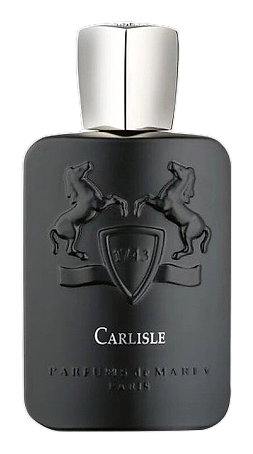
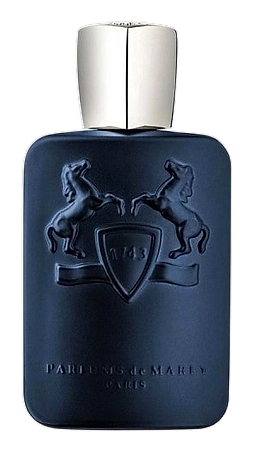
Daddy sits alongside fragrances like Layton and Carlisle in conversations about warm, sweet-spicy masculine compositions, but it arrived through a different channel entirely. The comparison to Zeus suggests a lineage of confident, assertive scent design, while the community response confirms it belongs in that elevated conversation. The conversation around Daddy lives in forums and reviews, shaped by connoisseurship and discovery rather than heritage or traditional advertising.