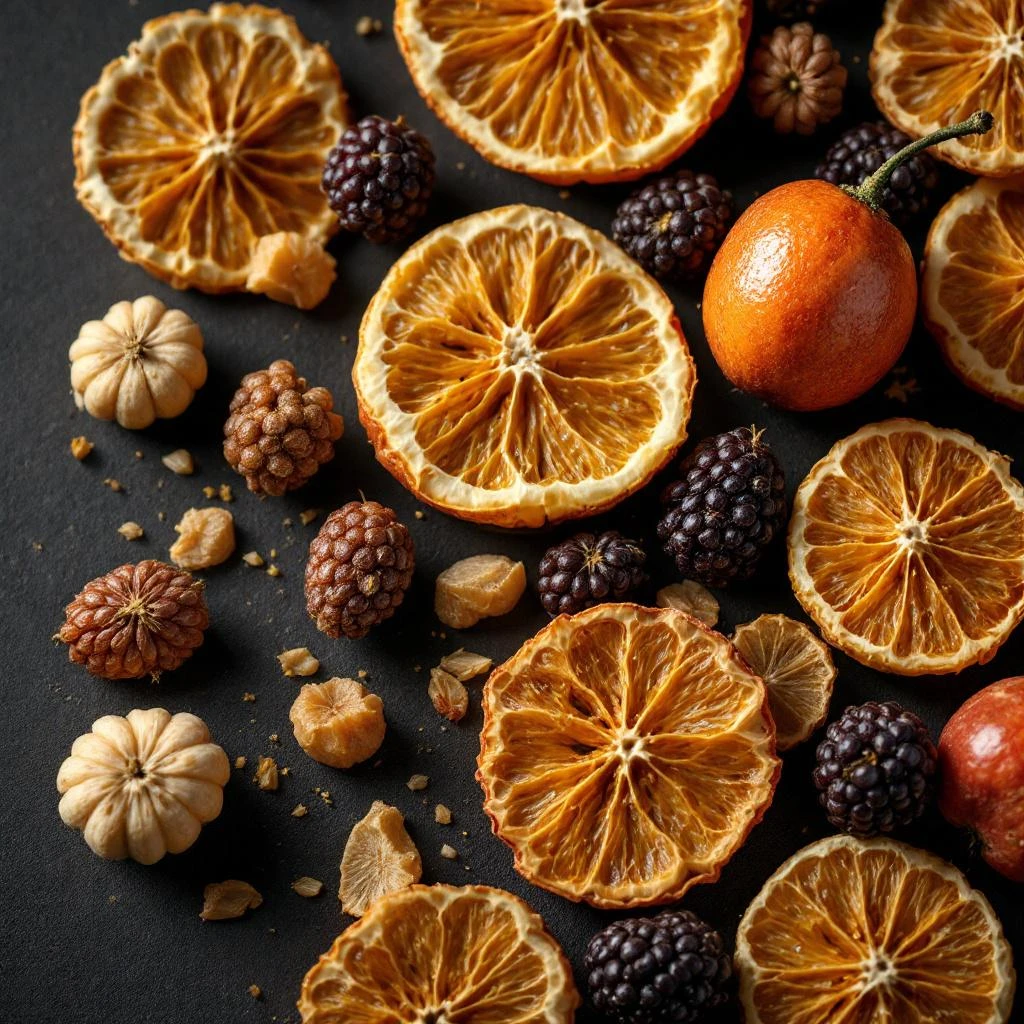
Guayacan
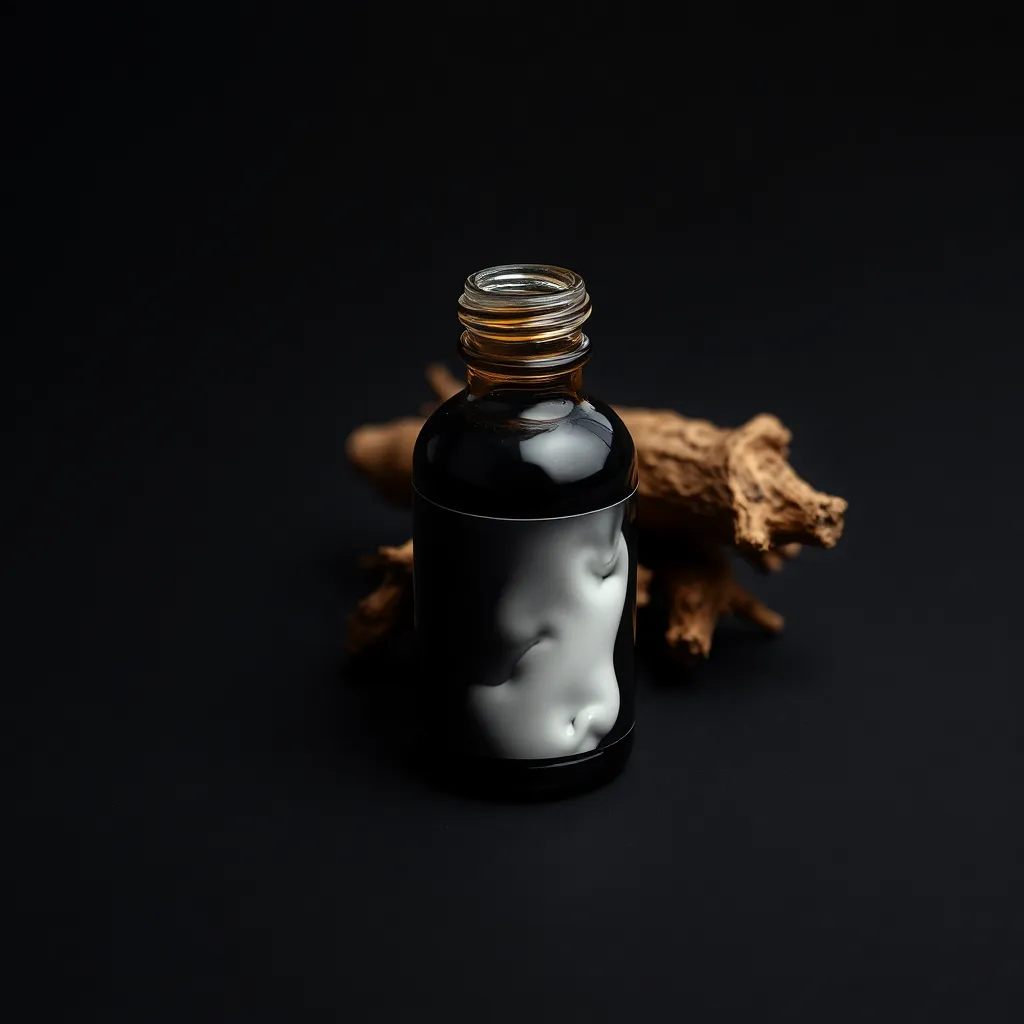
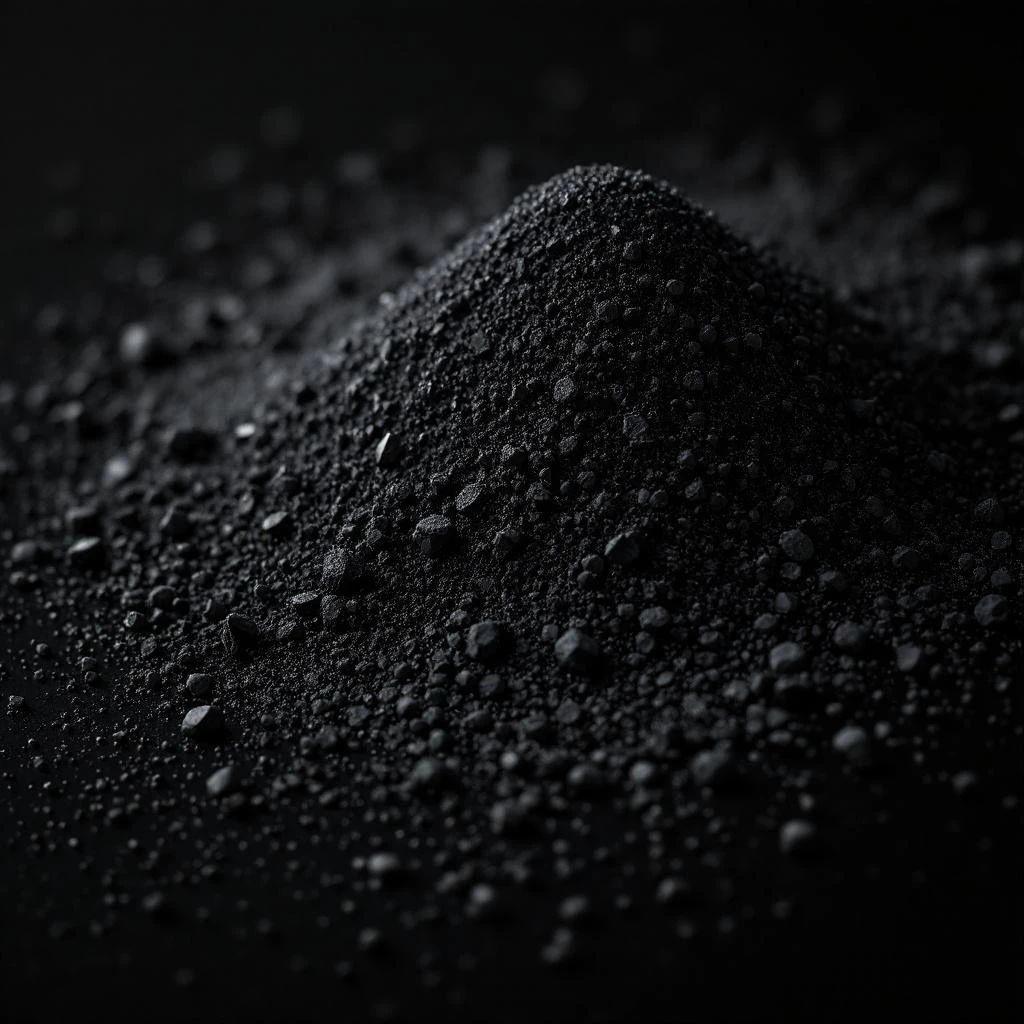
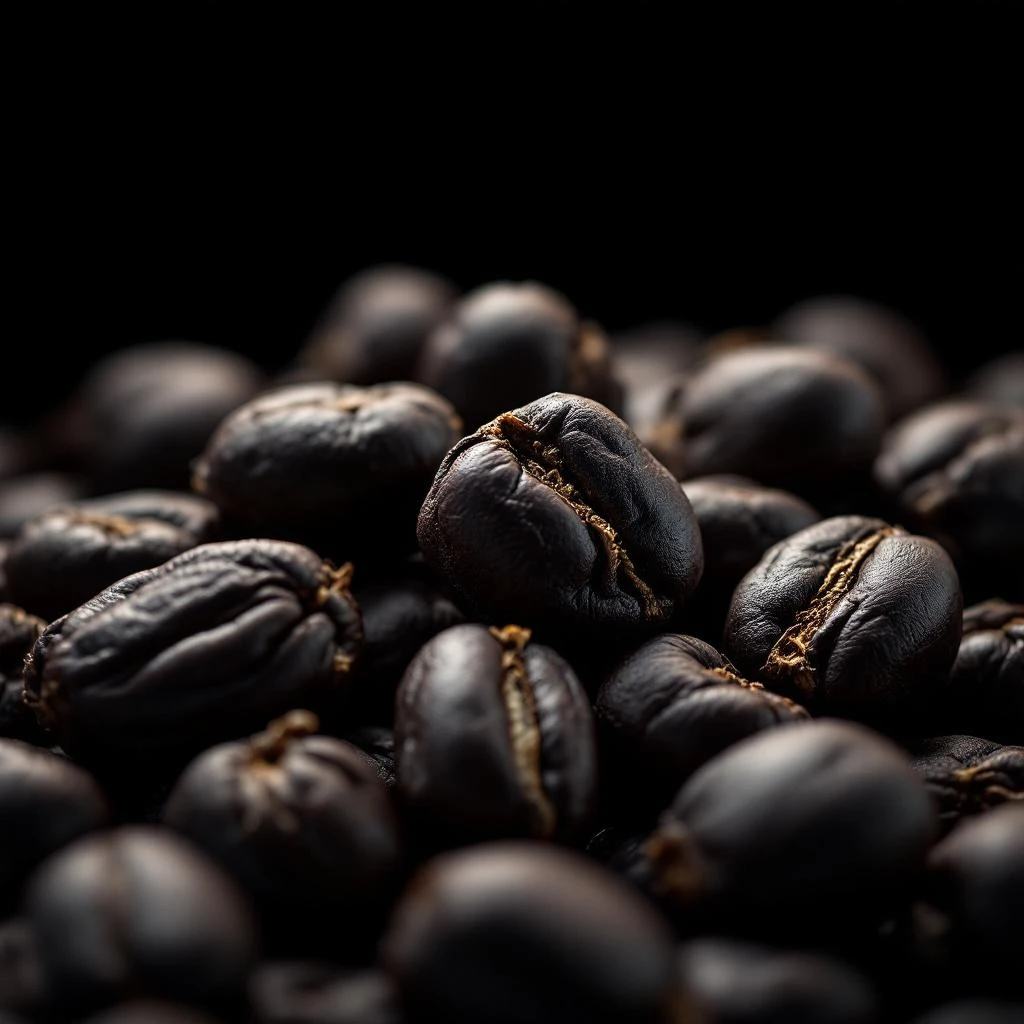
Guayacan is a resinous wood from the Guaiacum tree, prized in perfumery for its warm, balsamic character and exceptional fixative properties that anchor fragrance compositions to the skin for hours.
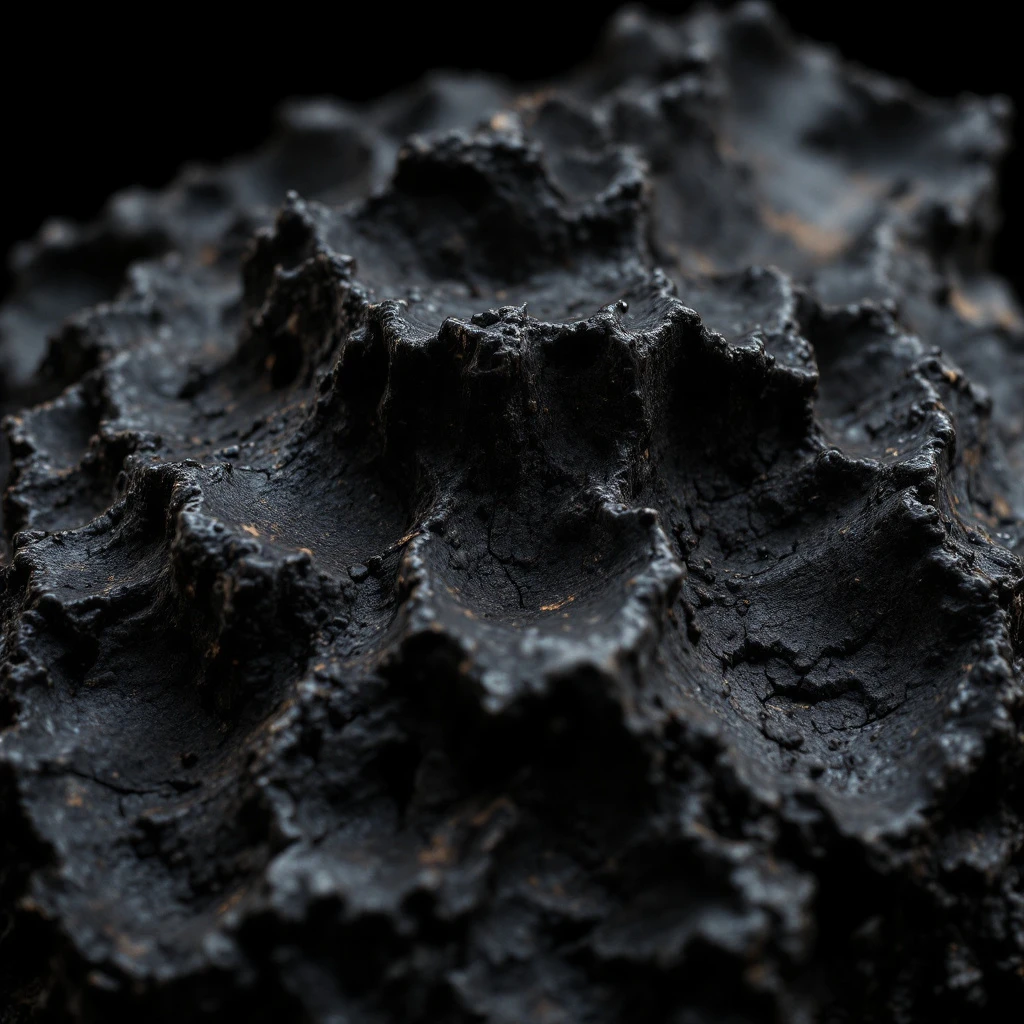
Character
How it smells
Sacred Caribbean wood with lasting power.
Lignum vitae, another name for Guayacan, means "wood of life" in Latin, reflecting its historical medicinal importance in addition to fragrance use.




Origin
Dominican Republic
Guayacan holds deep significance in the cultural heritage of the Caribbean and Central America. Indigenous peoples of the region used the sacred wood for centuries in ceremonial incense and traditional medicine, burning the resinous heartwood during important rituals.
When Spanish colonizers arrived in the 16th century, they documented its use among native populations and began exporting it to Europe, where it became prized not only as a fragrance ingredient but also as a medicinal remedy. The wood earned the name lignum vitae, or "wood of life," for its purported healing properties.
Throughout the colonial period, Guayacan traveled along trade routes connecting the Caribbean to European perfume houses, where it found its place as a fixative in fine fragrances. Today, it remains a relatively rare and treasured material, sourced primarily from the Dominican Republic and surrounding regions.
Wears it best
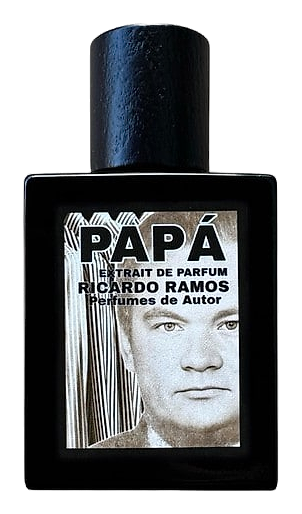
Fragrances featuring Guayacan

Brands
Brands known for Guayacan
Good to know
Questions, answered
The essentials on Guayacan in perfumery: how it smells, where it comes from, and how it behaves on skin.
What does Guayacan smell like?
Guayacan has a warm, balsamic, slightly sweet scent with resinous wood character and subtle leather undertones. It works as a fixative, adding depth and longevity to fragrance compositions.
Is Guayacan used in modern perfumery?
Yes. Guayacan appears as a base note in certain fine fragrances, valued for its fixative properties and warm wood character that adds complexity to the dry-down phase of a scent.
How is Guayacan harvested?
Guayacan wood is harvested by collecting fallen branches and small stems, then extracting the dense heartwood chips for distillation. The slow growth of the Guaiacum tree contributes to the material's concentrated aromatic properties.
Where does Guayacan originate?
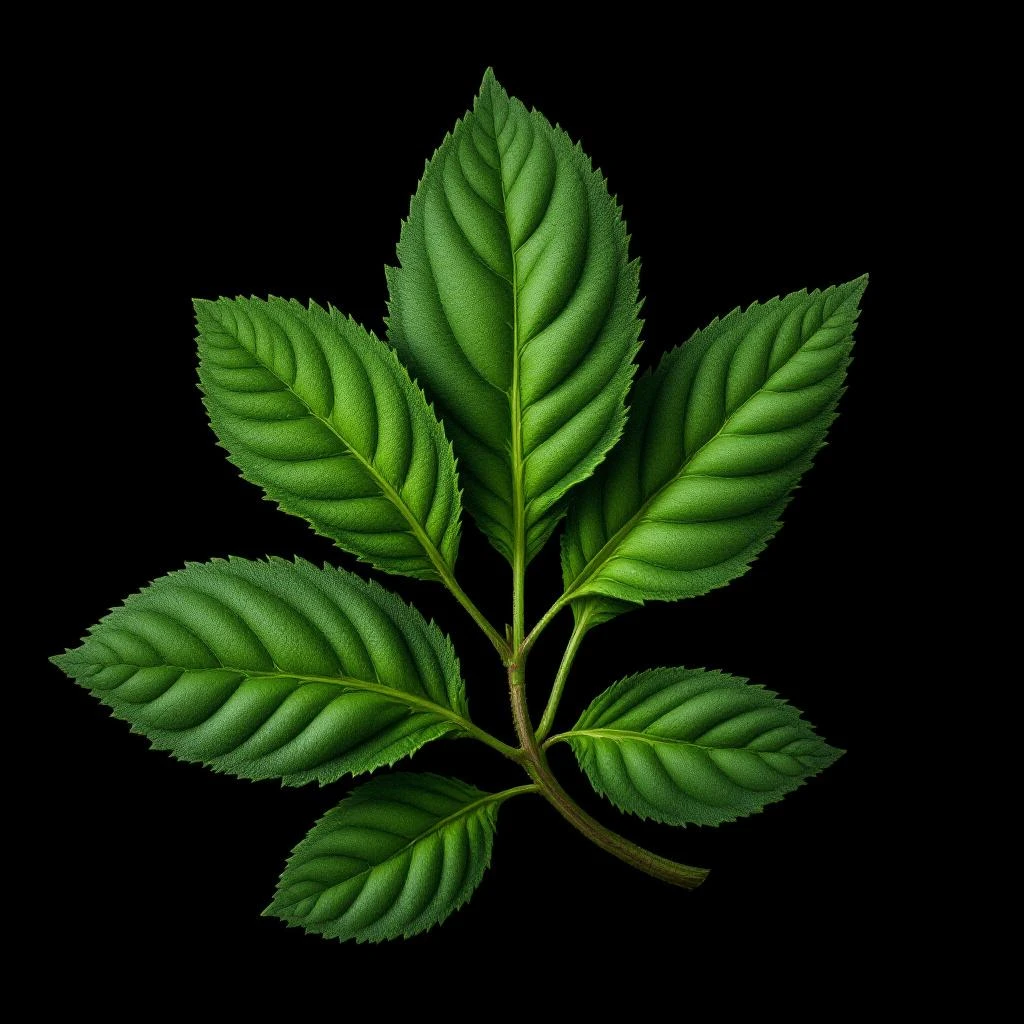
Guayacan grows natively across the Greater Antilles and Central America. The Dominican Republic serves as the primary commercial source, where the tropical climate supports the slow-growing Guaiacum tree.
What makes Guayacan valuable in perfumery?
Guayacan has exceptional fixative properties, meaning it slows the evaporation of lighter fragrance materials. One gram of Guayacan oil can extend the wear of a fragrance by several hours on the skin.
Is Guayacan sustainable?
Guaiacum trees grow slowly, making responsible harvesting essential. Sustainable sourcing practices focus on collecting fallen wood and small branches rather than harvesting entire trees.
What are the key chemical components of Guayacan?
Guayacan contains guaiol and bulnesol, sesquiterpene alcohols that contribute to its warm, woody aroma and fixative properties. These compounds make it particularly effective at binding fragrance molecules.
What are alternatives to Guayacan?
Other fixative woods include guaiac wood itself, which is related, as well as vetiver, sandalwood, and cedarwood. Each offers different aromatic profiles while providing fixative benefits to fragrance compositions.