The Story
Why it exists.
The beginning
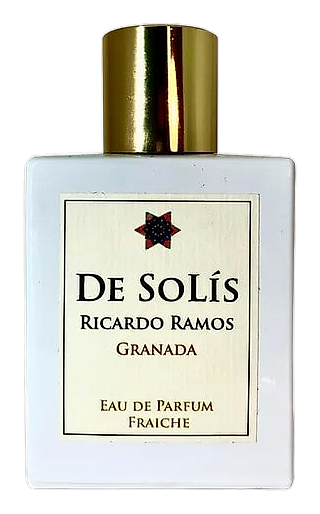
De Solís arrived in 2017 as part of Ricardo Ramos Perfumes de Autor's Al-Andalus collection, a line built around the history and character of Granada. Its name points to Isabel de Solís, the Spanish noblewoman associated with Granada's sultana court. The fragrance evokes moments from a novel, drawing on the atmosphere surrounding its subject without reducing the composition to a single fixed scene. Its structure moves from tender florals through a spice-charged heart to a composed woody base, giving the scent a narrative arc that unfolds quietly on the skin.
The composition is built around a change in posture. Lavender and magnolia make the opening feel youthful and open, while bergamot gives it a clear, polished edge. Then black pepper, cardamom, nutmeg, and neroli introduce heat, brightness, and a little tension. Cedarwood, sandalwood, cinnamon, and musk do more than provide depth. They turn the floral opening into something dignified, like a story moving from first impression into history.
The evolution
It begins with a pale, almost weightless lift: bergamot, lavender, and magnolia, with the clean snap of citrus beside soft white petals. That candor gives way to a more articulate middle, where pepper and cardamom bring a flash of heat and nutmeg adds a dry, earthen edge. Neroli keeps the heart luminous rather than heavy, its citrus brightness softening the darker spices and preventing the composition from losing its airy floral character. As the hours pass, the warmth becomes more architectural. Cedarwood and sandalwood create a smooth wooden frame, cinnamon adds a low ember, and musk softens everything into skin. The opening gradually recedes, leaving a close, polished impression shaped by warm woods, gentle spice, and clean floral facets.
Cultural impact
De Solís sits within the brand's Al-Andalus collection, where fragrance becomes a way to approach Granada's historical memory. Its name connects the scent to Isabel de Solís and the world of Granada's sultana court, giving the floral-spice composition a distinctive cultural frame. The fragrance opens with bergamot, lavender, and magnolia, then develops through pepper, cardamom, nutmeg, and neroli before settling into cedarwood, sandalwood, cinnamon, and musk. That movement from bright florals to warm woods makes it a composition to discover at different points in its wear, with changing layers of citrus, spice, and skin-soft musk.
The House
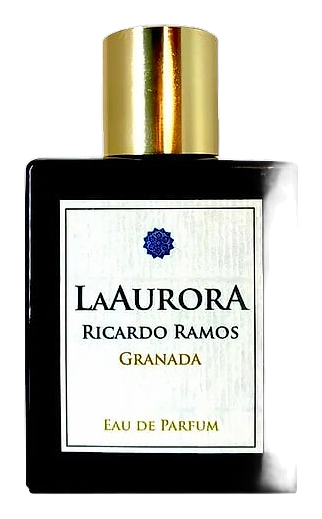
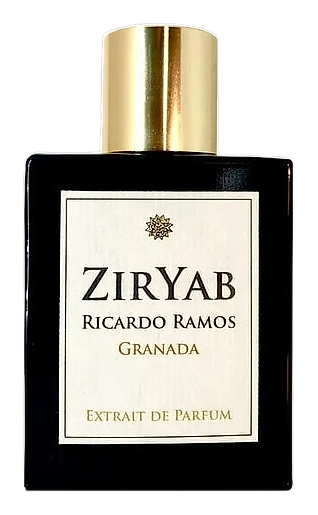
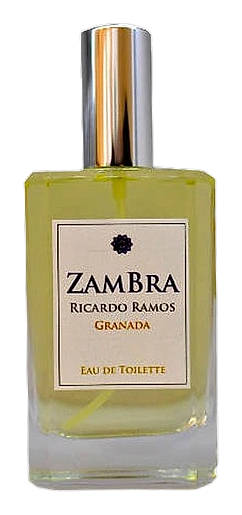
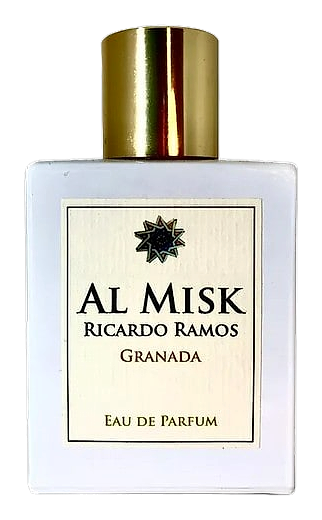
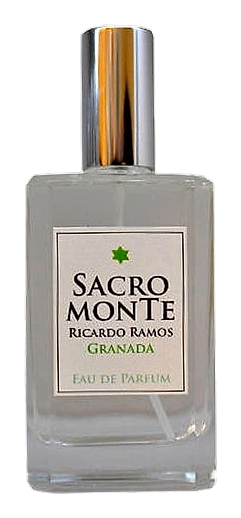
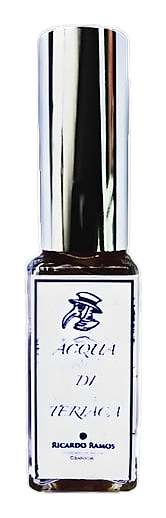
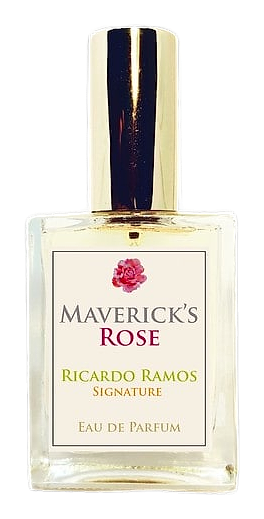
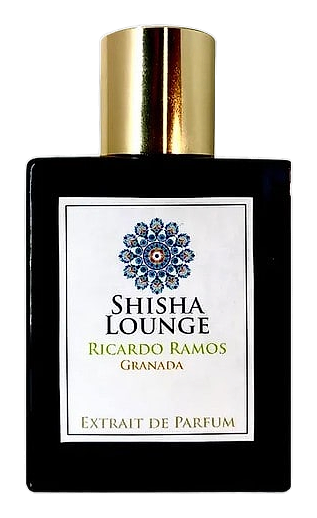
Ricardo Ramos Perfumes de AutorRicardo Ramos Perfumes de Autor creates artistic fragrances from Granada, Spain. Each scent references Andalusian history, colonial trade routes, and the cultural mix of South American expatriates who live in Granada and Istanbul. The line balances vintage ingredients such as oud, ambergris, and citrus with modern laboratory techniques, offering collectors a narrative that feels both scholarly and sensual. Recent releases like HooDoo Blues (2023) and Manigua (2025) illustrate the brand’s ongoing dialogue between past and present, while older classics such as AGUA DE BARCELONA (2004) remain reference points for the house’s evolving language.
The Creator
Jorge LeeBased on Hacivat, Jorge Lee seems to favor a style that's both modern and grounded in classic perfumery techniques. He appears to appreciate the impact of well-blended accords and isn't afraid to use powerful ingredients to achieve his desired effect.