The Story
Why it exists.
The beginning
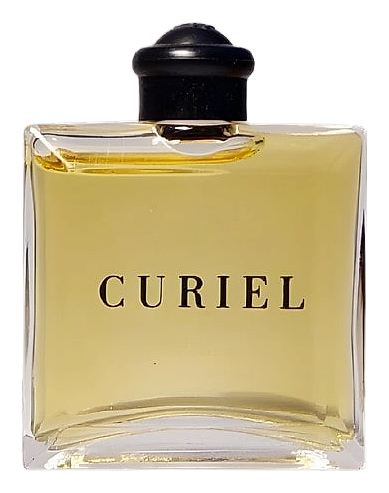
Curiel arrived in 1990 as a fragrance bearing the Raffaella Curiel family name, the same name that anchors every garment and every sketch in the atelier. When the house decided to translate its aesthetic language into scent, the intention was to create something that could stand on its own, an eau de parfum conceived as an olfactory signature rather than a seasonal novelty. The name itself carries weight: simply Curiel, editorially unadorned, suggesting a quiet confidence about what the label represents and who it speaks to. Editorially called simply Curiel, after the family name that anchors every garment and every sketch in the atelier, this eau de parfum was conceived as an olfactory signature, a way of bottling the kind of elegance that doesn't require an audience to exist.
What's distinctive here is the balance between spice and white floral, a pairing that in less careful hands tips either too sharp or too sweet. Clove and bergamot set up a warm citrus-spice frame, while peach and blackcurrant add a bruised-fruit sweetness that softens the edges. Then the heart pulls in ylang-ylang alongside tuberose and jasmine, which together carry a creamy, almost tropical density. Ylang-ylang contributes a waxy, slightly indolic warmth that bridges the fruit notes above and the floral heart below, giving the bouquet a sense of continuity rather than stark transition.
The evolution
The opening is all spice and fruit, a phase that announces itself quickly and with confidence. Clove has the loudest voice at first, but it's softened almost immediately by bergamot and mandarin, then cut by peach and blackcurrant, which give the opening a jammy, slightly candied warmth. The clove doesn't disappear, it just gets company, and the interplay between the warm spice and the rounded fruit reads almost like a conversation rather than a sequence. As the composition settles, the white florals arrive in force. Tuberose and jasmine carry the largest presence in the heart, creamy and dense, with ylang-ylang adding a banana-skin sweetness underneath that feels waxy and almost tropical. Galbanum cuts through from the edges with a green, resinous sharpness that keeps the bouquet from going syrupy, a necessary counterweight to all that cream.
Cultural impact
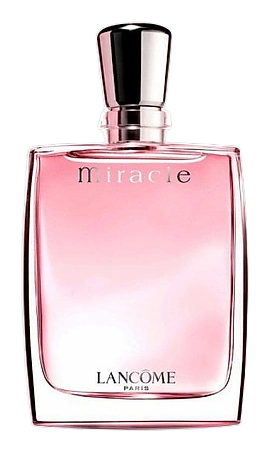
Curiel wears closest in spirit to Lancôme's Trésor or Magie Noire, compositions from the same era that shared a taste for warm, spiced florals with chypre underpinnings, though Curiel stakes out its own territory with the prominent clove note in the opening and the incense thread in the base. It's the kind of juice that tends to attract people who already know what they like, who reach for vintage Italian perfume or gravitate toward the tuberose-amber family of fragrances. There's a particular gravity to it, a sense that the composition takes its time to unfold rather than announcing itself in the first thirty seconds.