
The Story
Why it exists.
The beginning
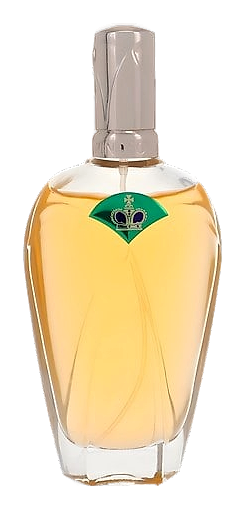
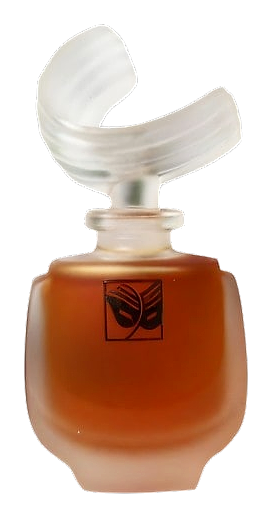
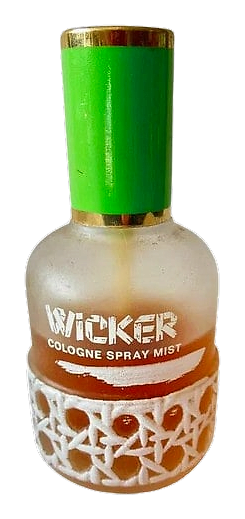
Wicker arrived in 1969 from Prince Matchabelli, created in association with Perfumes International. The classification, a leather-floral-mossy chypre parfum, points to a composition built on contrast: structure and softness, dryness and warmth, the formal language of chypre rewritten with a rougher hand. Wicker wears like texture under fingertips, the kind of dry, fibrous presence you notice before you identify. From the first spray, there's a vegetative greenness, slightly bitter and unapologetic, that announces the mossy backbone even before the top notes have fully dissolved.
Chypres are built on a mossy backbone, usually oakmoss, and Wicker leans into that tradition without apology. What sets it apart is the leather note braided through the floral heart, an unusual move that gives the fragrance its particular tension. The result is a composition that earns its unisex tag not by stripping away femininity but by refusing to pick a side at all. The interplay of leather and moss creates an accord that smells almost architectural, each note supporting the other in a way that feels intentional and considered.
The evolution
The opening is where the chypre announces itself: green, slightly bitter, the kind of brightness that feels like it could go either way. Citrus notes cut through first, but they don't linger long before the moss starts to show and the leather note steps forward. The floral heart, whatever specific flowers the perfumer chose, arrives not as a bouquet but as a single stem, restrained and almost dry. The composition settles into its real character fairly quickly, becoming moss-dominant and leathery, with a warmth underneath that feels more like skin temperature than any specific spice or wood. The drydown is where Wicker earns its reputation. It lasts close to the body, intimate rather than projecting, and what remains after extended wear is the moss and a faint trace of something animalic.
Cultural impact
Wicker won a Fifi Award in 1973, recognition that placed it among the notable chypres of its era. The award matters because it singled out a fragrance that challenged the conventions of late-1960s perfume design, a leather-floral-mossy chypre parfum that few other houses were attempting at the time. The composition's refusal to settle into a single gendered register, pairing rough leather and dry moss with a restrained floral heart, gave it a distinct position in the landscape of 1969 releases.