
The Story
Why it exists.
The beginning
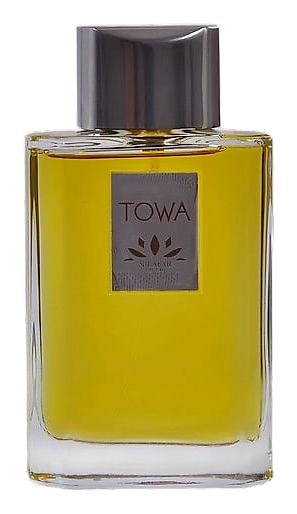
TOWA was launched in 2022 by Michelle Moellhausen for Nilafar du Nil. Its name points to Towa, a valley mentioned across major religions and, in the Quranic account, the place where Moses spoke with Allah. The composition turns that spiritual geography into scent through vivid CO2-extracted coffee, cardamom, rose, jasmine, saffron, chocolate, rum, oud, incense, agarwood, cashmere wood, bourbon vanilla, styrax, Ambrocenide, muscenone, cedar, and frankincense. Coffee gives the composition a dry, roasted character, while the deeper woods and resins add weight. As the fragrance develops, its bright opening settles into a layered center of spice, florals, fruit, sweetness, and smoke.
The striking choice is the marriage of coffee and oud. Coffee can read roasted, dry, and almost carbonized, while oud brings a woody, resinous depth supported by the composition’s leathery accord. Between them sits a generous heart of rose, jasmine, raspberry, brown sugar, dark chocolate, saffron, rum, benzoin, and tonka bean. Cardamom makes the coffee more aromatic rather than bitter, lending the composition the character of richly spiced Arabic coffee. The floral notes soften the darker profile without making it hazy, while benzoin and tonka bean add a rounded sweetness.
The evolution
TOWA begins with a clean burst of bergamot and lemon around cardamom and aromatic coffee. Heliotrope adds a soft, powdery sweetness that keeps the opening polished. As those bright facets recede, rose and jasmine give way to a richer center of raspberry, brown sugar, dark chocolate, rum, saffron, benzoin, and tonka bean. The coffee becomes less explicit but remains present as a dry, roasted shadow. Later, oud, frankincense, styrax, cedar, and muscenone take over, with Ambrocenide adding a warm amber effect. Vanilla and cashmere wood make the drydown smooth, while incense and leathery woods keep it from turning soft. Its projection and longevity are described as above average.
Cultural impact
TOWA takes its name from a valley mentioned across major religions and, in the Quranic account, the place where Moses spoke with Allah. That sense of place is expressed through a fragrance built around coffee, cardamom, rose, jasmine, saffron, chocolate, rum, oud, incense, woods, resins, and musks. The composition begins with bergamot and lemon, develops into a richly spiced floral and gourmand center, and settles into a warm, smoky base. Its note structure invites attention to how familiar materials can change as they interact over time.
The House
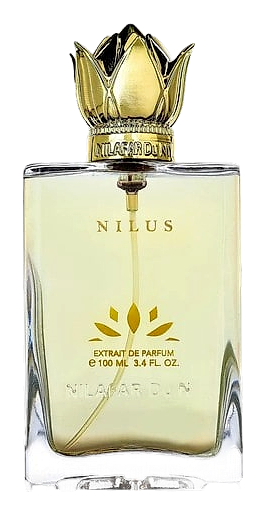
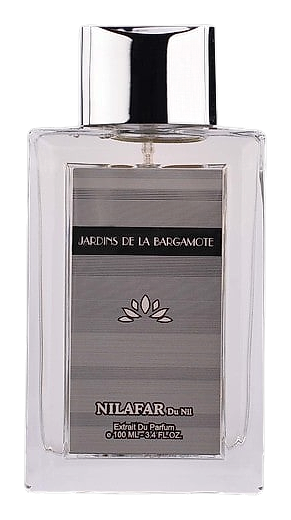
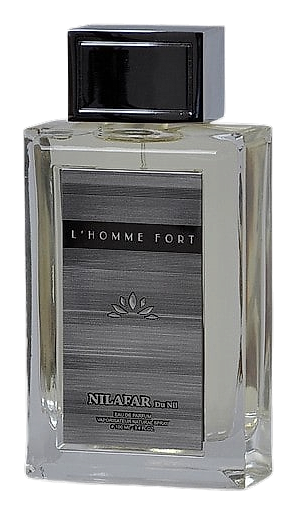
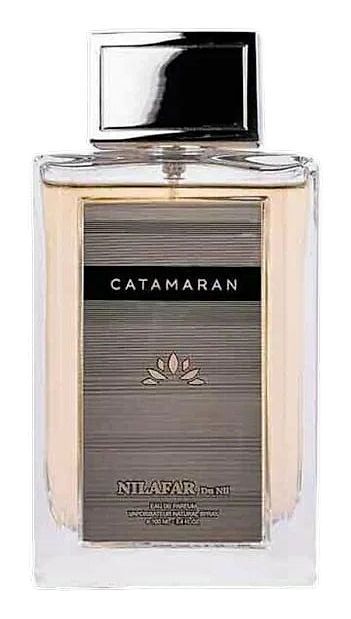
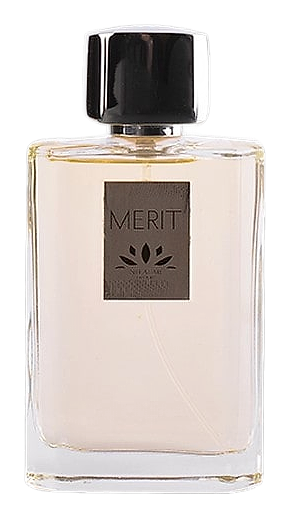
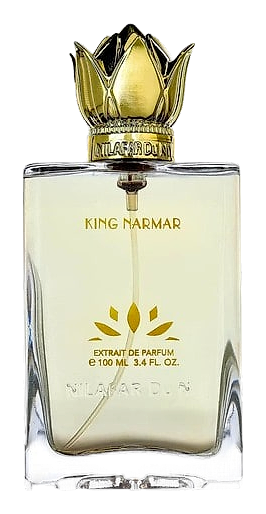
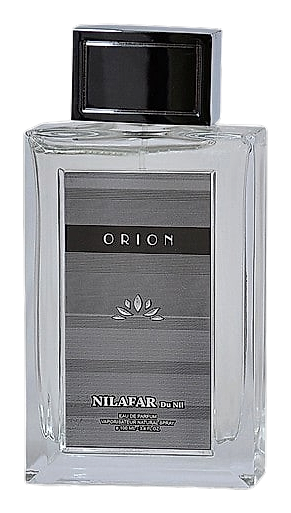
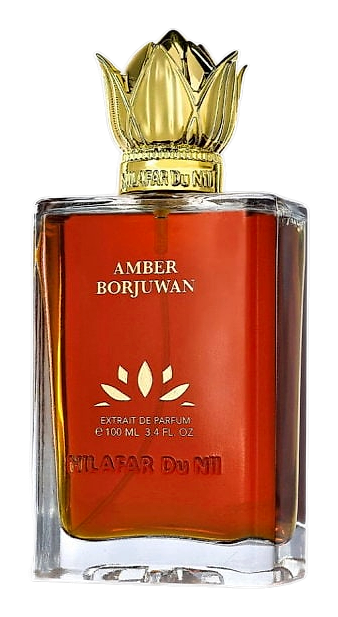
Nilafar du NilNilafar du Nil is a niche fragrance house founded in Cairo in November 2019 by AbdelFattah Nassar and Waseem Daaboul, operating under Syrian-Egyptian ownership. The brand draws its name from the Turkish word 'nilüfer,' meaning lotus, referencing the flower that held deep symbolic weight in ancient Egyptian culture as a symbol of rebirth and resilience. The house specializes in high-concentration extrait de parfum formulations, with a catalog that prominently features Egyptian historical and mythological themes. Fragrance names such as Trajan (referencing the Roman pharaoh of Egypt), Seti I, Narmar, and Unas point to a creative direction rooted in ancient Egyptian civilization. The house releases multiple new compositions annually, with recent additions including Amber Borjuwan, Rasheed, and Syriac in 2025, building on earlier work that produced signature scents like Zenia (2019), L'Homme Fort (2019), and Catamaran Parfum (2024).
The Creator
Michelle MoellhausenHer signature technique involves layering transparent top notes over a heart built from rare botanicals, then anchoring the composition with a modest base of woods or resins. She favors ingredients such as Calabrian bergamot, Tunisian jasmine, and Mysore sandalwood, often pair…