The Story
Why it exists.
The beginning
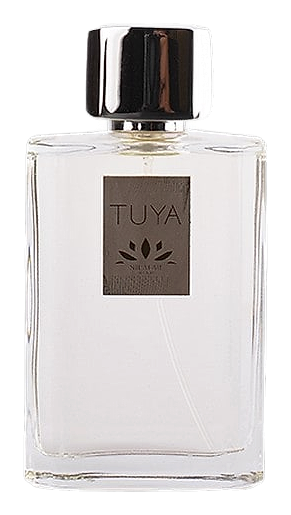
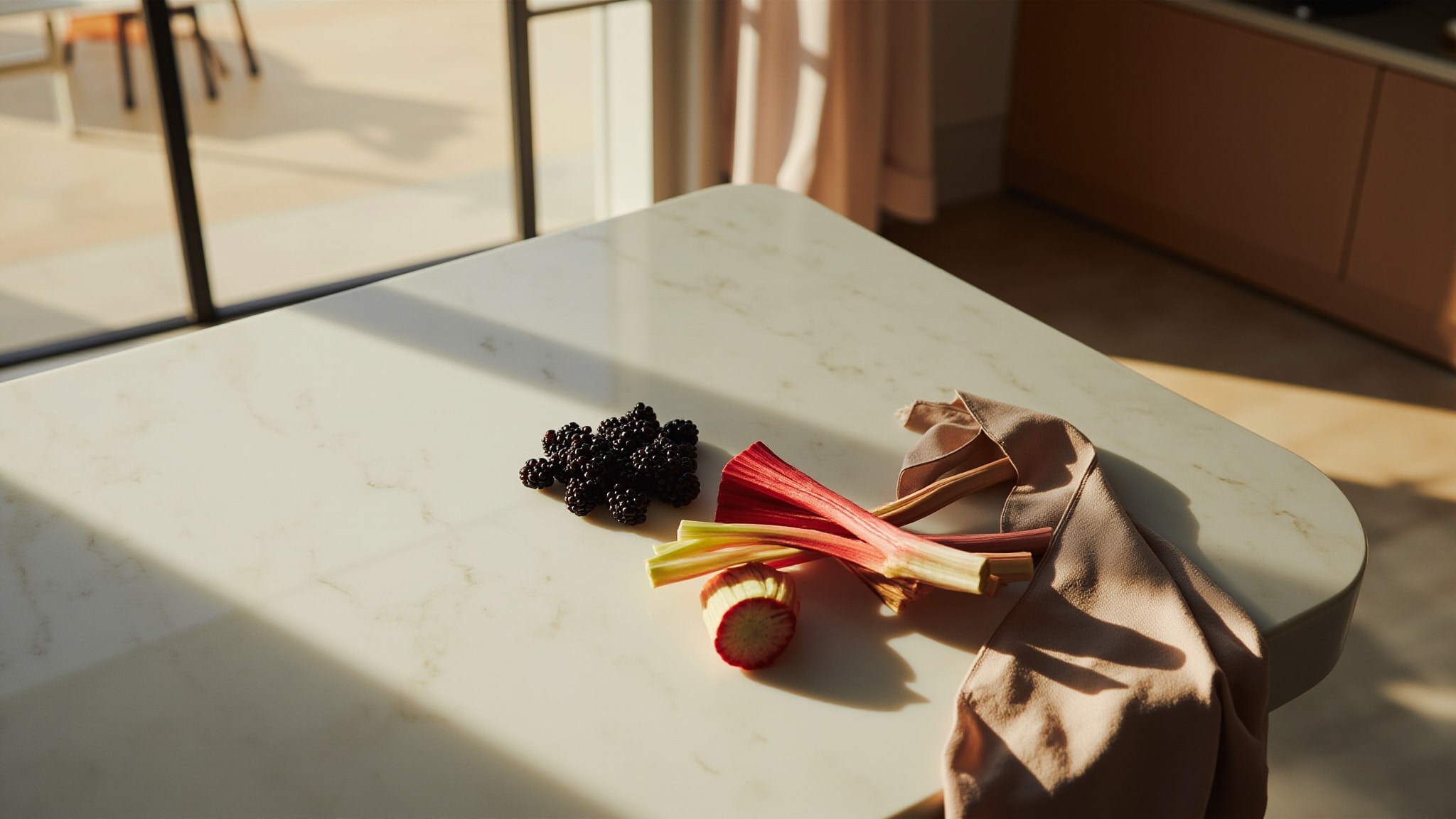
Tuya was the mother of Ramesses II, one of Egypt's most powerful dynasties. She was queen of the Valley of the Queens, a figure whose name carried weight across the ancient world. Nilafar du Nil named this fragrance for her, and the brand's copy doesn't hedge: the queen would have been beautiful in a bed of roses and jasmine, so the composition was built exactly around those flowers. Blackcurrant and rhubarb open with a tartness that feels almost botanical, verdant, a green bite that doesn't apologize. Then the florals arrive thick and deliberate. The result is a fragrance that wears its Egyptian inspiration differently than the house's pharaonic bottles, quieter history, but history with real presence.
The pyramid structure here is worth sitting with. Most floral-orientals lead with sweetness; Tuya leads with that rhubarb-green shock, then surrenders into the heart. The heart itself is dense, four white florals stacked, with jasmine and frangipani doing the heaviest lifting and rose and ylang-ylang providing the counterweight. That density means the drydown doesn't arrive suddenly. It builds sideways. Musk and vanilla arrive first, then sandalwood's creamy warmth, then patchouli's earth. Tuberose threads through the entire base, keeping the florals present even as the composition deepens.
The evolution
The opening hits sharp, blackcurrant and rhubarb arrive together, that dark fruit and green bite happening simultaneously. For the first fifteen minutes, it's crisp and almost tart. Then the florals begin their work. The heart doesn't replace the opening so much as soften it, rose and jasmine arrive quietly, ylang-ylang adds a waxy sweetness, frangipani rounds everything into something warmer. This middle phase holds for two to four hours depending on skin. Then the base: musk close to skin, vanilla spreading warmth, sandalwood and patchouli settling underneath. Tuberose stays, the creamy floral note that refuses to fully leave. What remains after eight hours is skin-warm and intimate, the kind of scent you find when you press your wrist to your neck.
Cultural impact
Nilafar du Nil has built a distinct position in niche perfumery through its Egyptian thematic focus and extrait concentrations. Tuya stands apart from the house's pharaonic bottles, named for a historical figure rather than a legend, grounded in court rather than mythology. The fragrance appeals to those drawn to Egyptian-inspired perfumery but seeking something beyond the genre's common notes. Its floral density and tart opening offer a different entry point into the tradition. The composition rewards attention, wearers who engage with its structure tend to find more complexity than expected from its accessible opening.