
The Story
Why it exists.
The beginning
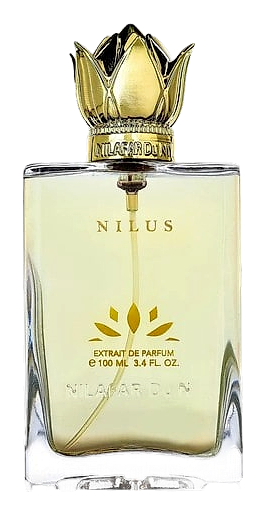
NILUS takes its name from the Nile, the river that has defined Egypt for millennia, not as backdrop but as lifeblood. The brand understands that the Nile was never just geography. It was existence itself. This fragrance translates that understanding into scent: not a literal interpretation of river water, but the essence of the Nile's ever-changing character, the way its waters shift from moment to moment, carrying different moods and temperatures as the hours pass.
The composition mirrors that duality. Bright citruses, bergamot, mandarin, a lift of pear, represent the Nile's daytime face: open, generous, sunlit. The white florals that follow (lily of the valley, orange blossom, jasmine) introduce a layer of elegance that feels cultivated rather than wild. Cedar threads through the heart, adding structure. But the base is where the river's deeper nature emerges. Ambergris, the nocturnal material, the substance that arrives after dark, anchors everything that came before. Musk and warm amber complete the picture. The result is a fragrance that moves from light to warm without ever losing its essential character.
The evolution
The opening hits fast: bergamot and mandarin brightness, with pear adding a subtle sweetness that keeps the citrus from sharpening too far. Ginger appears briefly, a flash of warmth that fades before you can name it. Within twenty minutes, the florals begin their ascent, lily of the valley leading, orange blossom and jasmine filling in behind. This is the longest phase, the heart of the fragrance, lasting three to four hours on most skin. Then ambergris announces itself. Not aggressively. But unmistakably. It settles beneath the florals, adding animalic depth that transforms the composition from pretty to interesting. Musk and amber hold the drydown for hours after. The base notes reveal their full complexity as the hours wear on, showing layers of warmth and persistence that reward patience.
Cultural impact
NILUS arrives as niche perfumery continues to explore ancient sensory traditions. The Nile has long symbolized renewal and flow in Egyptian culture, and this fragrance draws from that deep well of meaning. Ambergris brings its own weight of history, a substance valued across Mediterranean cultures for centuries. White florals and citrus anchor the composition in a tradition of purity and freshness. The fragrance's moderate character suits those who prefer a scent that stays close to the skin, intimate rather than announced.
The House
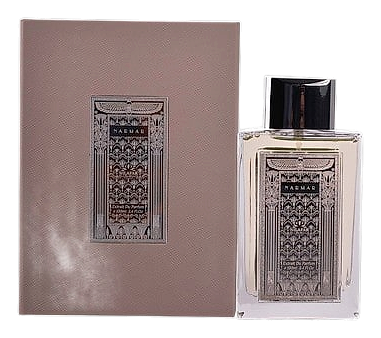
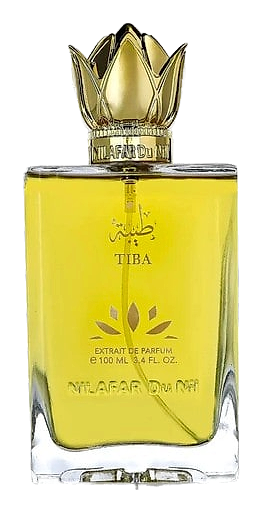
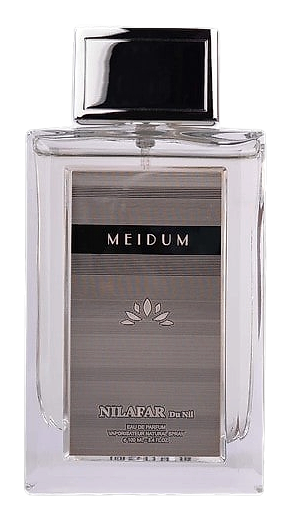
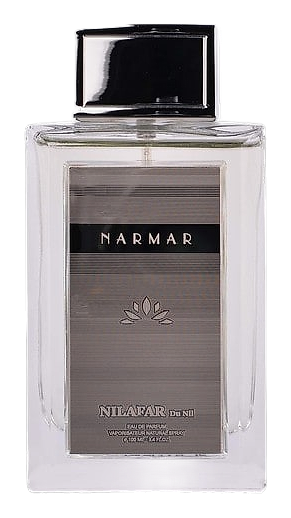
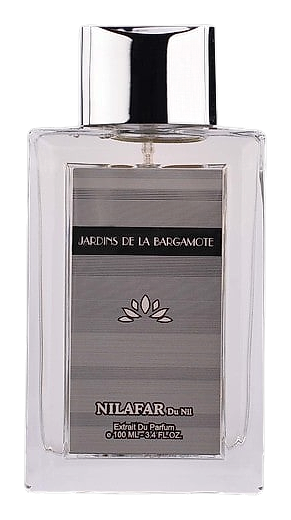
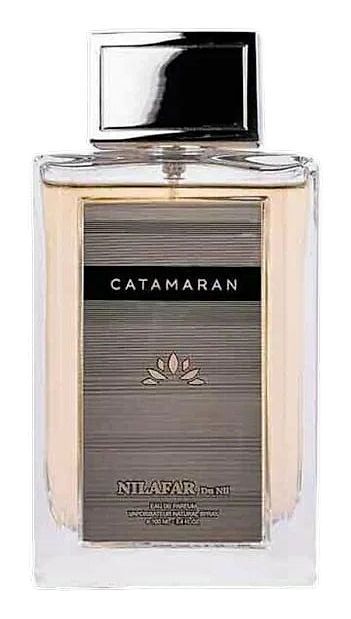
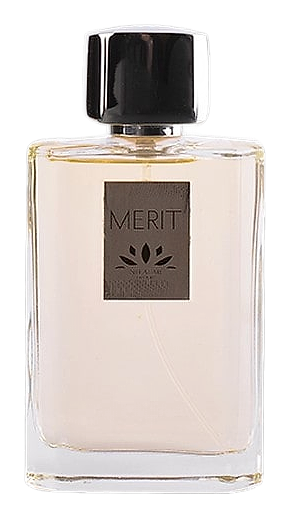
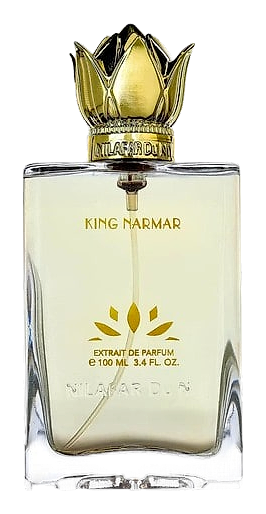
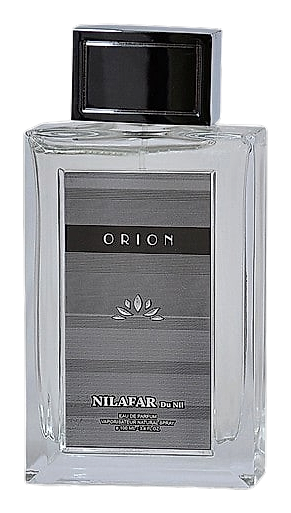
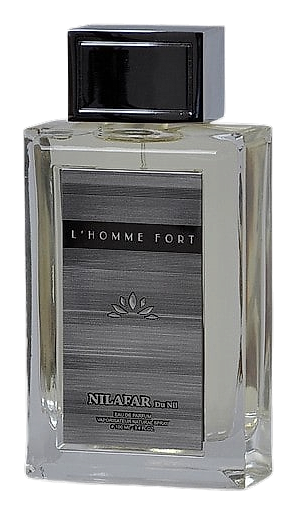
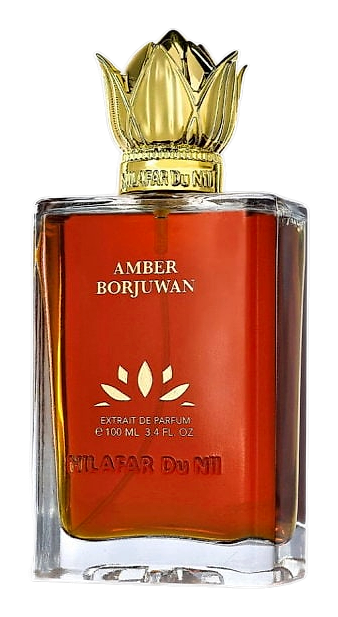
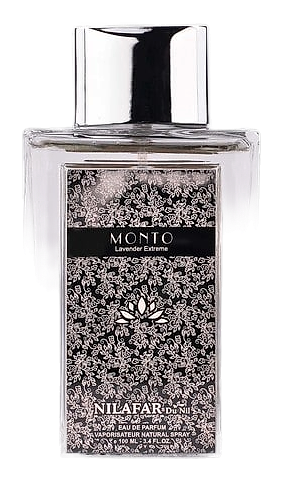
Nilafar du NilNilafar du Nil is a niche fragrance house founded in Cairo in November 2019 by AbdelFattah Nassar and Waseem Daaboul, operating under Syrian-Egyptian ownership. The brand draws its name from the Turkish word 'nilüfer,' meaning lotus, referencing the flower that held deep symbolic weight in ancient Egyptian culture as a symbol of rebirth and resilience. The house specializes in high-concentration extrait de parfum formulations, with a catalog that prominently features Egyptian historical and mythological themes. Fragrance names such as Trajan (referencing the Roman pharaoh of Egypt), Seti I, Narmar, and Unas point to a creative direction rooted in ancient Egyptian civilization. The house releases multiple new compositions annually, with recent additions including Amber Borjuwan, Rasheed, and Syriac in 2025, building on earlier work that produced signature scents like Zenia (2019), L'Homme Fort (2019), and Catamaran Parfum (2024).
The Creator
Christian Carbonnel a.k.a. Chris MauriceCarbonnel is at his most distinctive when building rich, layered oriental compositions that unfold over hours on the skin. He favors high-quality natural materials and constructs fragrances with real depth—top notes that sparkle, heart notes that develop, and base notes that a…