The Story
Why it exists.
The beginning
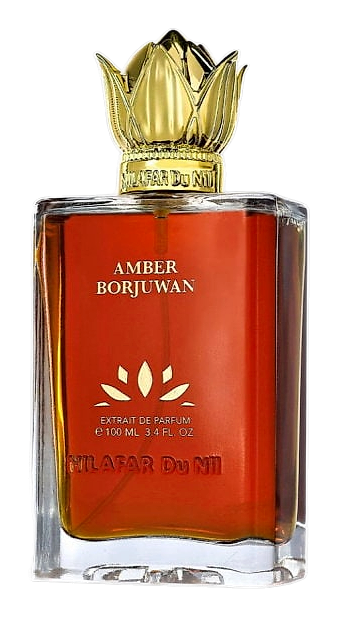
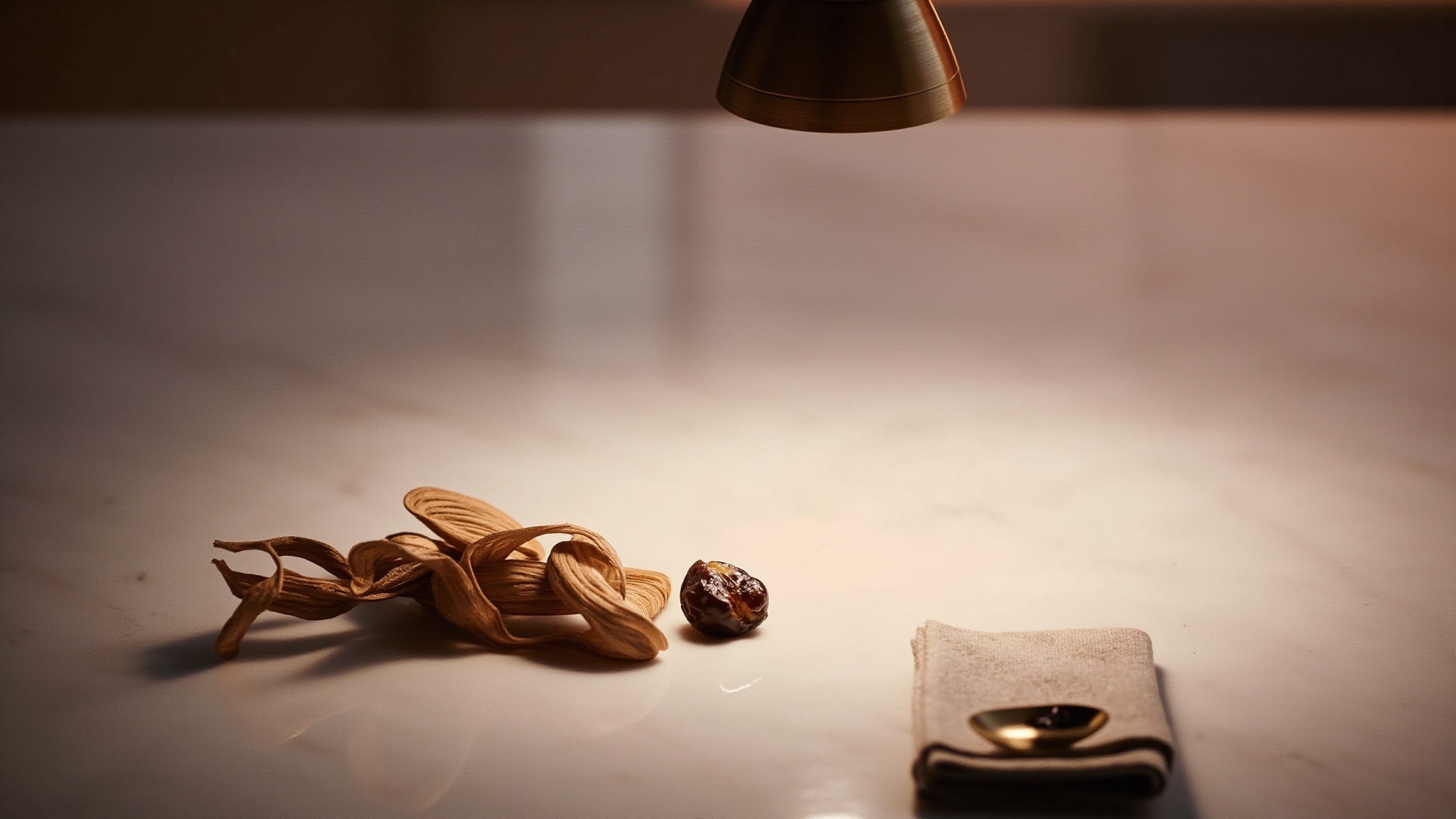
Amber Borjuwan arrived in 2025 from Nilafar du Nil, with the perfumer credit going to Paul Guerlain. The composition is built as an extrait de parfum, which gives it the density and staying power to carry a heavy resin structure without losing definition. On skin, the opening is dense and unapologetically sweet, but there's a controlled warmth underneath. The spice comes forward quickly, cinnamon bark threading through a dried fruit character that smells almost edible, like dates that have been slowly roasted rather than fresh-picked. As the first minutes pass, the resins begin to assert themselves, and the whole composition shifts from a spiced-fruity opening into something smokier and more resinous.
What sets this composition apart is how the sweetness refuses to behave. The dried dates and cinnamon arrive at the front door and never fully leave. They don't peak and fade. They migrate, sinking into the resin base and re-emerging hours later as something darker and more caramelized. The heliotrope and ylang-ylang in the heart add a powdery sweetness that bridges the spice opening and the smoky drydown, rather than competing with either. On the skin, the heliotrope contributes an almond-like softness, a marzipan undertone that softens the cinnamon's sharpness without dulling it.
The evolution
The opening is immediate and unapologetic. Cinnamon and coriander hit first, sharpened by the dense sweetness of dates and dried fruit. It reads almost edible, like the first five minutes of a kitchen where something has been reducing for hours. Within thirty minutes, the fruit pulls back and the heart surfaces: rose and heliotrope lending a powdery, almond-like softness, ylang-ylang adding its tropical creaminess underneath. The transition isn't dramatic. It's more like the spiced air cooling slightly, settling into something you could wear through an entire evening without it becoming exhausting. By the two-hour mark, the base takes over and the composition transforms. Frankincense rises like smoke from a nearby censer, labdanum gives everything its amber glow, patchouli adds earth without dirt, and vanilla rounds the edges into something close to skin-warmed caramel.
Cultural impact
Amber Borjuwan sits at a specific crossroads in contemporary niche perfumery. The composition draws on both French structural perfumery and a deep engagement with resinous materials, and that tension shows up clearly in how the fragrance is built. The opening is structured, almost architectural, with the spice and dried fruit arranged in a way that reads as deliberate composition rather than a simple pour of sweet materials. As it develops, the structure softens and the resin base takes over, but the discipline of the opening never fully disappears.