
The Story
Why it exists.
The beginning
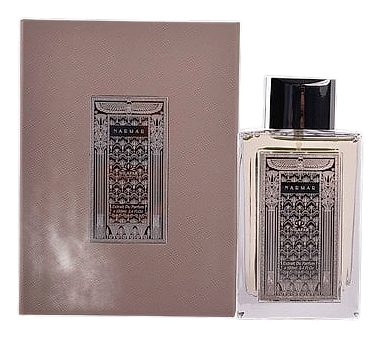
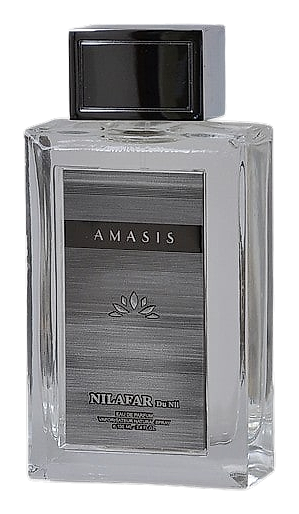
Amasis. The pharaoh they called the Blue King. Ahmose II ruled Egypt in the 26th Dynasty and became the last native ruler before Cambyses II changed everything. He was known for choosing openness over isolation. The fragrance carries that same energy: Egyptian royalty that does not announce itself, authority worn quietly, heritage without nostalgia. Named for a king who chose openness over isolation, this scent embodies the philosophy of a ruler who understood that connection outweighs isolation, and that true strength often lies in accessibility rather than isolation.
The unusual pairing of metallic notes with tropical fruit is what makes Amasis work. Starfruit brings an ozonic, almost electric tartness, not citrus exactly, but something adjacent. Pomelo amplifies the brightness. Then guava enters the heart and everything softens, thickens slightly, becomes something warmer and more tropical than the opening promised. Carrot seed adds an aromatic whisper beneath the sweetness, bridging fruity and herbal. The composition isn't trying to do everything at once. It's doing one unexpected thing, then handing off gracefully to the next.
The evolution
The opening arrives sharp. Metallic-bright, starfruit cutting through with an ozonic bite that most people either love immediately or need a moment to accept. Pomelo adds a clean citrus layer, but the starfruit is the character here, unusual, specific, not sweet so much as tart and strange. Soon after, guava enters. The tropical warmth replaces the metallic edge and the composition softens into something almost lush. Carrot seed and juniper appear quietly in the background, adding an herbal greenness that keeps the sweetness from becoming cloying. This middle phase is where Amasis earns its reputation as a daytime fragrance, it is pleasant, approachable, nothing aggressive about it. The base takes its time. Cedar emerges first, dry and warm. Iris adds a soft powderiness. Vetiver grounds everything without heaviness. Elemi resin contributes a faint resinous warmth.
Cultural impact
Amasis enters the niche fragrance scene as part of a broader landscape of Egyptian-inspired compositions. Nilafar du Nil represents a new generation of regional houses translating ancient pharaonic heritage into contemporary scent profiles. The fragrance occupies a distinctive position, challenging expectations of what an Egyptian-themed fragrance should smell like. Its metallic-fruity opening subverts the oud-and-amber template that often defines the category. The composition demonstrates that heritage-inspired perfumery can venture into unexpected territory, offering collectors something that feels both rooted and inventive.