The Story
Why it exists.
The beginning
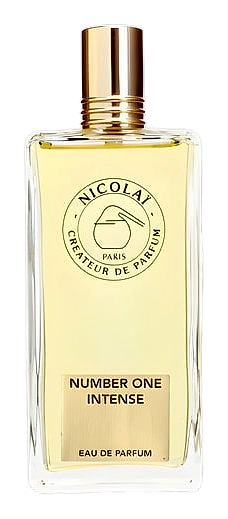
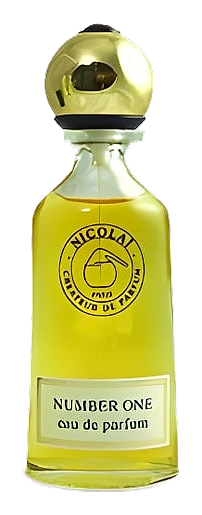
Number One arrived in 1989 with the confidence of a debut that knows exactly what it wants to say. The fragrance reads as a white floral composition that refuses to behave like one, building a structure that holds the heart open for individual flowers to speak in their own voices. Tuberose. Jasmine. Orange blossom. Each one audible. None of them smoothing the others out. Where a softer hand might have blended these materials into a single creamy mass, this one lets the galbanum's bitter green snap sit at the opening like a frame around the canvas, refusing to dissolve into a generic white-floral blur. It was a fragrance built on the conviction that complexity and beauty are not opposites, and that the perfumer's hand could show its work without losing the room.
The unusual note here is galbanum, a resin whose sharp green character cuts cleanly into the cream-heavy florals that follow, giving the heart its contrast and its clarity. Without that green opening, the tuberose and jasmine would fold into each other and lose their edges. With it, they project individually, each flower catching light from a different angle. The cassia and marigold offer warmth through the middle stretch, threading a spicy current through the white petals that reads as aromatic rather than edible, lifting the bouquet out of any risk of going flat or overly sweet.
The evolution
The first hour belongs to the green. Galbanum and marigold hit cold and sharp, almost like snapping a stem, and that green snap holds the stage with the authority of an opening movement. The florals arrive in a rush rather than a slow reveal, blooming all at once in a way that feels deliberate, almost choreographed. Tuberose comes in thick and creamy, jasmine threads through it with a slightly indolic edge, and orange blossom adds a candied brightness that lifts the whole bouquet into something brighter than it has any right to be. Cassia warms the edges, lending the heart a quiet spice that keeps the flowers from feeling too cool or too aloof. For the next several hours the white florals dominate, sitting on a bed of oakmoss that keeps them from floating away and gives the composition its gravitational center.
Cultural impact
Number One occupies a particular place among late-1980s white florals for the way it treated the genre as composition rather than decoration. The fragrance builds its white bouquet with a structural rigor that most florals of its era didn't attempt, letting each flower project individually while still holding the whole together with a chypre backbone and a galbanum-laced opening. The result is a white floral that feels thought through rather than prettified, and that quality has kept it in circulation among wearers who respond to architecture in a fragrance.