The Story
Why it exists.
The beginning
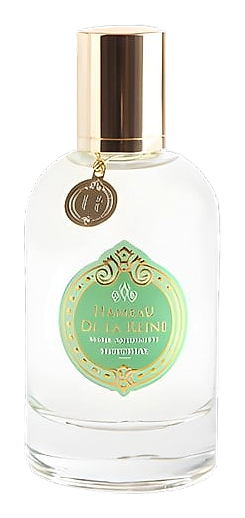
The Hameau de la Reine was Marie Antoinette's private retreat at Versailles, a pastoral village of thatched cottages, winding paths, and cultivated gardens where the queen escaped the formality of court life. Historiae's Hameau de la Reine captures that same spirit: green, fresh, and quietly luxurious. Bertrand Duchaufour built the fragrance around a paradox, the opening is almost agricultural, with crushed tomato leaf and blackcurrant leaf cutting through the air. Then it softens. The heart reveals a garden in full bloom: rose, geranium, peony. Not the manicured roses of the palace parterre, but the kinds that grow wild at the garden's edge. By the base, the composition settles into something warmer and more personal, vetiver, patchouli, honey. Close to the skin. The kind of fragrance that feels like it was always there.
The note structure here is unusual. Most green fragrances peak at the opening and fade into something safer. Hameau de la Reine keeps its botanical character through the heart, where galbanum and ivy push against the florals like green stems in a vase of cut roses. The tomato leaf note, sharp, almost acrid at first, is the signal. It tells you this isn't a polite floral. The honey in the base is subtle, more beeswax than sweetness, grounding the composition in something that feels grown rather than blended. It's the kind of drydown that rewards sitting still.
The evolution
The opening hits immediately with crushed green stems and citrus brightness. Tomato leaf takes the lead, sharp and immediate, with blackcurrant leaf adding a faint berry edge and fig leaf lending its characteristic lactonic undertone. Bergamot appears briefly, clean, unlined, before the green accord dominates. This phase lasts roughly 30 minutes, during which the composition feels almost botanical. Like walking through a greenhouse before the sun heats the glass. The heart arrives gradually, not as a replacement but as a softening. Geranium brings its green, almost medicinal floral character, while peony adds rounded petals without sweetness. Rose is present but not dominant, more a suggestion of garden than a bouquet. Galbanum stretches the green notes across the mid-phase, keeping the top and heart connected like stems in water. Mock orange appears as a quiet white floral, clean and slightly waxy. The drydown is where the fragrance earns its name. Vetiver and patchouli introduce earthy depth, while white woods and musk keep the base soft and close to the skin.
Cultural impact
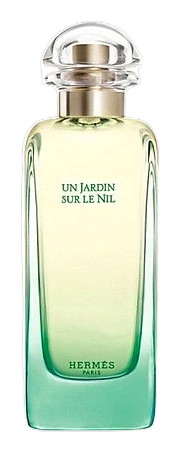
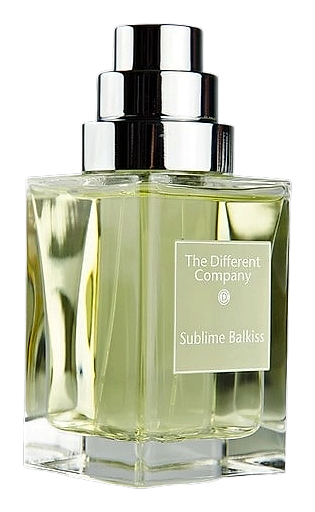
Green florals occupy a specific corner of perfumery, fragrances that resist the trend toward sweetness or darkness and instead commit to brightness and botanical honesty. Hameau de la Reine belongs to a lineage of green fragrances that includes The Different Company Sublime Balkiss and Hermès Un Jardin Sur Le Nil, where the garden is not a metaphor but an actual place. Respected by enthusiasts for its honest botanical character, it signals taste without demanding attention, the kind of fragrance that attracts those who prefer subtlety to spectacle.