

Heritage
A house, in its own words
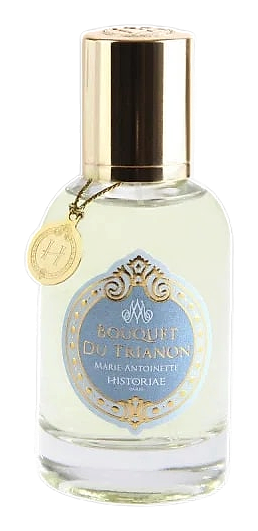
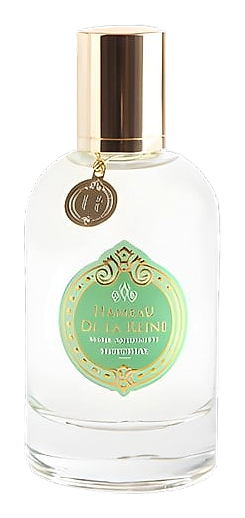
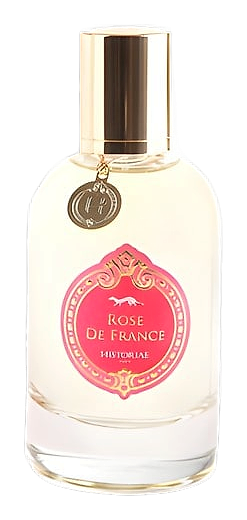
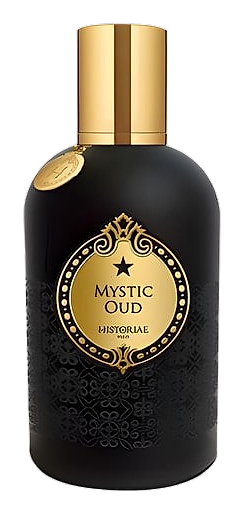
The brand emerged in 2012 after a small team of fragrance enthusiasts decided to explore how historic perfume recipes could be re‑imagined for contemporary use. Their first collection arrived the same year, featuring Violette Imperiale, Hameau de la Reine, Bouquet du Trianon, Rose de France and Orangerie du Roy. All six launched together, a rapid rollout that signaled a clear intent to build a catalogue anchored in French court culture. In 2013 the house added Mystic Oud, a nod to the oud‑laden courts of the Ottoman Empire, expanding the geographic scope of its historical storytelling. Early press coverage highlighted the brand’s commitment to fair trade sourcing, noting that raw materials such as rose petals and ambergris substitutes were obtained from certified cooperatives. By the mid‑2010s the line grew to include scented soaps and home fragrances, allowing the historic narratives to move beyond personal wear. Throughout its first decade, Historiae has partnered with museums and archives to verify the authenticity of the scent stories, ensuring that each bottle carries a factual footnote as well as an aromatic one. The brand’s archives now contain over a hundred documented references to historic perfume formulas, many of which have never been commercially reproduced before. Historiae treats perfume as a portal to memory rather than a purely decorative accessory. The creative brief for each fragrance begins with a documented event – a royal garden opening, a coronation ceremony or a diplomatic banquet – and then translates the recorded ingredients into a modern composition. The house stresses transparency: ingredient lists are published alongside the historical source, and the brand openly discusses the limits of reconstruction when original recipes are incomplete. Sustainability is woven into the vision; fair trade certifications guarantee that raw materials support farming communities, while recyclable packaging reflects a respect for the environment that mirrors the reverence for cultural heritage. Rather than chasing trends, the team follows a calendar of historic anniversaries, releasing new scents to coincide with centennial celebrations or museum exhibitions. This schedule creates a rhythm that aligns commercial activity with cultural education, positioning each launch as both a product and a lesson.