The Story
Why it exists.
The beginning
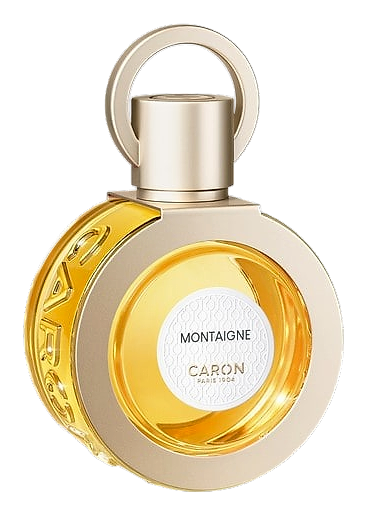
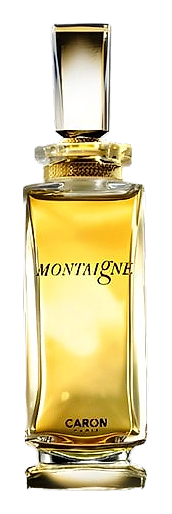
Jean Claude Delville created Montaigne in 1987 with a singular vision: a golden, powdery floral that captured the opulent spirit of Parisian elegance. The fragrance takes its name from the grand avenue where Caron's atelier still stands, a street synonymous with refinement, intellect, and the art of living well. Delville built the composition around a collision of contrasts: sun-drenched mimosa and citrus brightness at the top, anchored by the incomparable mellowness of Mysore sandalwood below, with vanilla and balsams softening everything into a warm, persistent embrace.
What makes Montaigne structurally interesting is its yellow floral heart, mimosa, jasmine, and narcissus working in concert, held in place by a citrus opening and a warm, powdery base. The blackcurrant in the heart adds a subtle berry tartness that keeps the florals from becoming cloying. The result is a fragrance that smells both opulent and timeless, built on a template Caron has refined over decades: contrasting materials forced into confrontation to reveal hidden depths.
The evolution
Montaigne opens bright and immediate. The mimosa announces itself first, sunny, golden, almost tangible, followed quickly by bitter orange and a fleeting tangerine spark. Jasmine threads through the yellow florals as the citrus fades, adding a creamy white floral layer that deepens the heart. By the second hour, narcissus takes over. Honeyed, slightly indolic, it's the floral that knows it's the main event. The blackcurrant lingers in the background, keeping things from tipping into sweetness. The drydown is where Montaigne earns its reputation. Sandalwood's buttery warmth anchors everything, while vanilla and benzoin create a powdery sweetness that softens into close skin. Ambrette adds an almost edible quality, vanilla pods and musky warmth. On most skin types, this stage lasts for hours. Some report detecting it the next morning.
Cultural impact
Montaigne occupies a specific niche in the fragrance world, the vintage-minded collector who appreciates classical perfumery executed with genuine opulence. Its yellow floral and powdery character has drawn comparisons to the style of Van Cleef & Arpels First, though Montaigne carves its own identity through its mimosa-forward structure. The fragrance has sustained a following for decades, long outlasting the era that produced it.