The Story
Why it exists.
The beginning
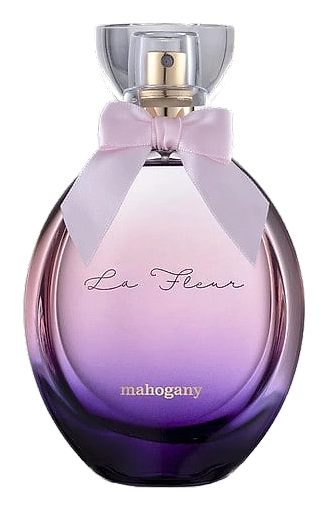
La Fleur arrived in 2016 from Mahogany, a house that treats fragrance like a quiet craft rather than a loud announcement. Perfumer Fanny Grau built the composition around a single idea: a rose bouquet that refuses to sit still. Mahogany's identity runs deep into woody aromatics, their note of choice always carrying that resinous warmth beneath the surface. La Fleur works the opposite angle, pulling fruit and white florals forward, but the brand's signature depth still threads underneath. The result is a floral that smells modern without trying too hard to be.
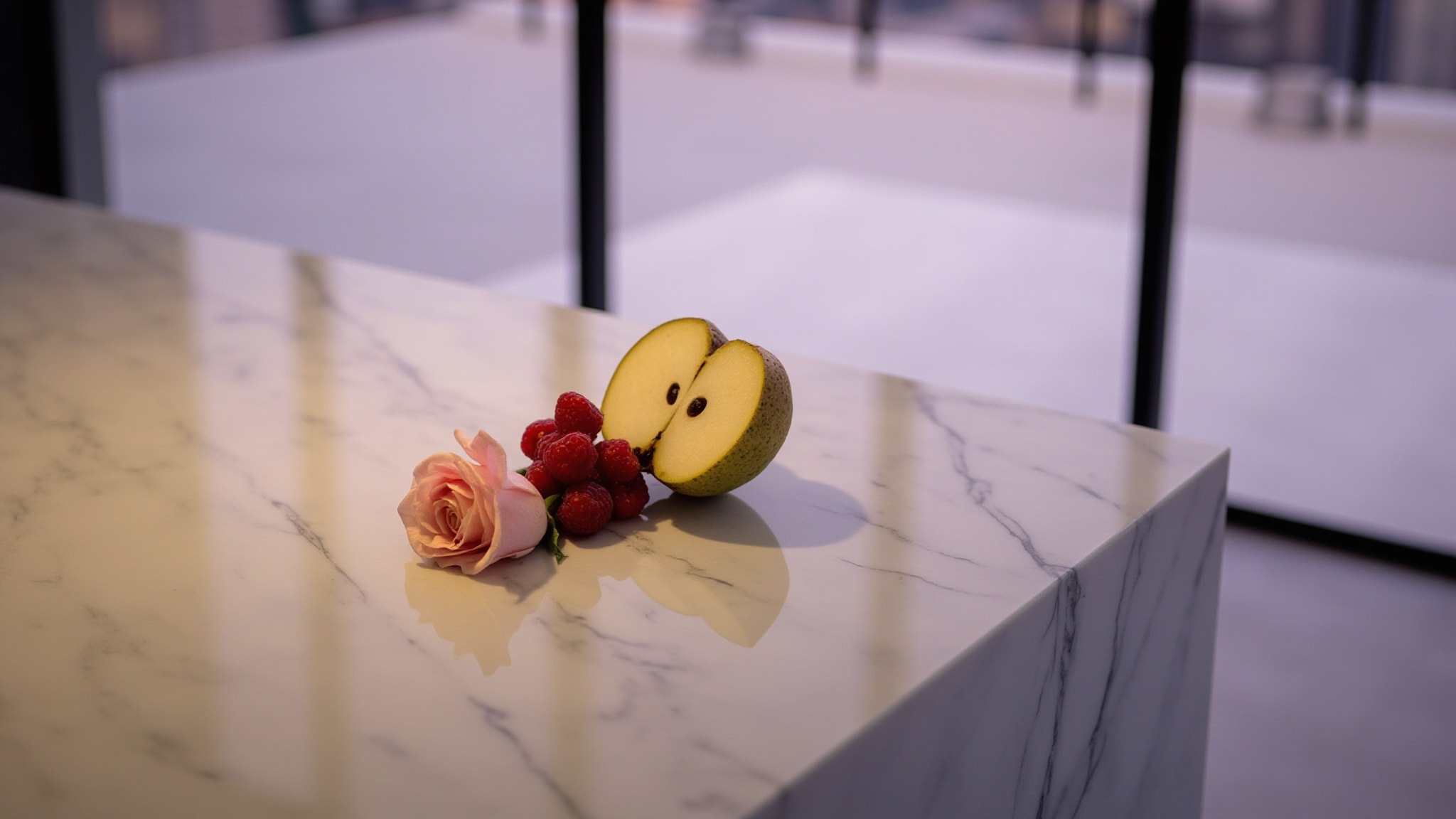
Grapefruit and raspberry cut the sweetness at the knee right from the first spray, bringing a bright, almost tart snap that keeps the rose from drifting toward confection. The florals do the heavy lifting in the heart: peony adds a cool, green-edged freshness while magnolia brings a creamy, lemony softness that fills out the petals without weighing them down. What makes the drydown worth waiting for is how the base settles in. Patchouli and cedar arrive underneath the vanilla and sandalwood, giving the whole composition a subtle earthy bite that keeps it grounded.
The evolution
The first fifteen minutes belong to the fruit. Raspberry hits bright and slightly tart, pear melts in behind it, and the grapefruit cuts through with that clean bitter edge before the spices warm it all up. Then the roses arrive, and the composition shifts into its real character. Peony and magnolia lift the rose so it reads luminous instead of dense. Lily of the valley adds a green-soap flicker that keeps things honest. By the three-hour mark the florals have softened into something closer to skin-warmth, and the base starts pulling through. Vanilla comes in creamy, sandalwood rounds it out, and the cedar-patchouli combo adds a quiet woodsmoke that wasn't visible at the start. On a sweater the next morning, it's mostly vanilla and musk, soft and intimate, like the fragrance has finally relaxed into itself.
Cultural impact
La Fleur found its audience in the rose-floral category by offering something that feels alive on skin rather than ceremonial. The opening brightness of grapefruit and raspberry gives it a modern lift that works just as well for a weekend brunch as it does for an evening out, and the heart of peony and magnolia keeps the rose from feeling old-fashioned or stuffy. Wearers tend to gravitate toward it for exactly that reason: it's a rose that doesn't ask you to dress up to justify wearing it.