
The Story
Why it exists.
The beginning
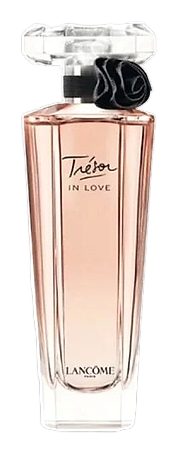
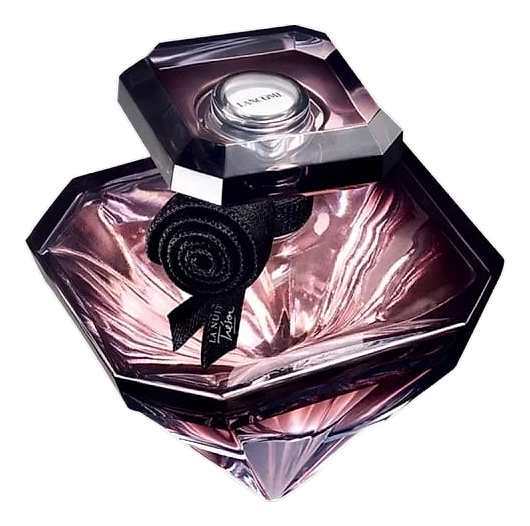
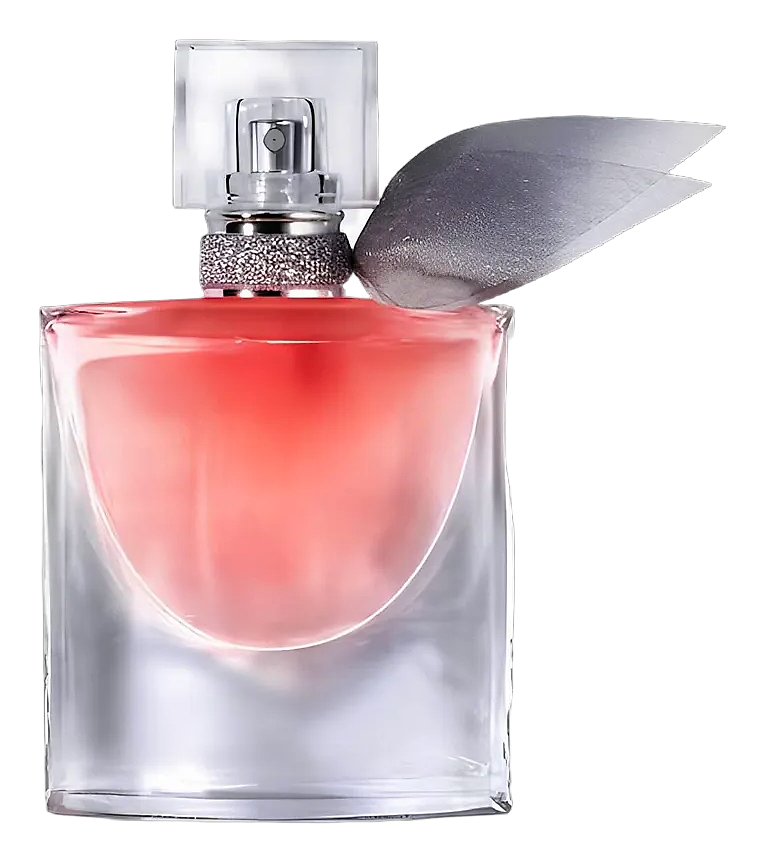
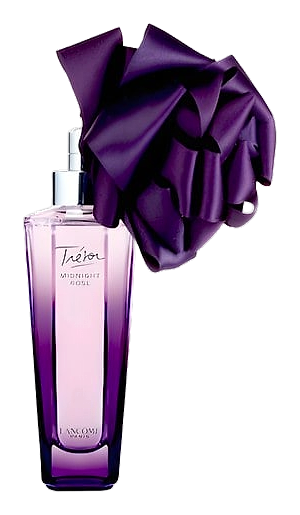
Lancôme has always spoken in roses. Since Armand Petitjean adopted the flower as the house emblem in 1935, every Trésor has been, at its heart, a different conversation with the same woman. La Coquette is where that conversation turns playful. Where the rose stops being metaphorical and starts being flirtatious. The 2012 limited edition arrived with a wink, named for the woman who knows exactly what she's doing, and intends to keep it that way.
Raspberry in a rose composition isn't new. But using it the way La Coquette does, as a sharp, tart counterpoint rather than another layer of sweetness, is what elevates this from pleasant to interesting. The blackcurrant amplifies that acidity, keeping the floral heart from getting syrupy. It's the same trick perfumers use in raspberry liqueur: the fruit needs something sour to feel real, not manufactured. Peony and jasmine layer in warmth and texture, while pink pepper adds a faint prickle that keeps the sweetness honest.
The evolution
Raspberry arrives first. Not a whisper, a burst. Bright, almost effervescent, like the first sip of something cold on a warm night. Within minutes, rose joins and the two notes braid together, raspberry giving the flower a tartness that stops it from going powdery too soon. The heart opens gradually: blackcurrant adds depth, jasmine grounds the brightness with its characteristic indolic warmth, and peony provides the plush middle. Pink pepper surfaces intermittently, a slight spice that catches on the drydown rather than announcing itself. That drydown takes its time. Musk and vanilla don't rush in. They wait until the floral structure softens, then settle close to the skin like a second layer. Cedarwood emerges last, lending quiet sophistication to what might otherwise read as simply sweet. The result lingers for hours, not projecting, but present. The kind of trail someone notices only when they're already beside you.
Cultural impact
La Coquette arrived as a love letter to the core collection, a limited edition that understood why people fell for the line in the first place. The name says it all: French, flirtatious, confident in a way that doesn't need translation. In a market where rose often signals either maturity or romanticism, La Coquette carved space for something lighter, more playful, and no less desirable.