
The Story
Why it exists.
The beginning
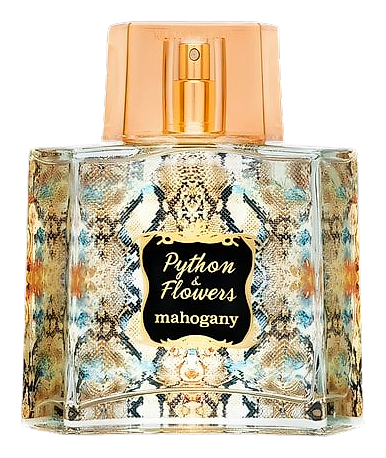
The name suggests something unexpected, python, the animal, the instinct. But Python & Flowers was built around a different kind of tension: the floral and the grounded, the cool citrus opening and the warm woody heart that follows. Perfumer Roland Theil designed the composition to open bright and sharp, then let the Damask rose take over without apology. The woody base was always meant to arrive late, pulling the whole thing into warmth. It launched in 2015.
The note structure is straightforward on paper, citrus top, rose heart, warm woody base. What makes it interesting is the timing. The bergamot and tangerine open fast and don't linger long. The rose arrives next and holds for hours, even as the patchouli and amber start to move underneath. That layering, rose above, warm base below, creates depth that reveals itself over time rather than all at once. It's the kind of composition that rewards wearing it past the first hour.
The evolution
The opening is bright. Tangerine and bergamot give you that immediate spark, clean, a little tart, here and gone in under thirty minutes. Then the Damask rose arrives and doesn't leave. It holds the center for the next several hours, and it doesn't yield easily. Even as the woody base starts to move underneath, the rose keeps its ground, layering depth that reveals itself over time. The drydown brings patchouli, amber, and vanilla together, warm, resinous, intimate. It stays close to the skin for hours, and that's the appeal. Not the projection. The longevity.
Cultural impact
Python & Flowers arrived in 2015 during a period when rose-patchouli-amber compositions were gaining significant traction in both niche and mainstream fragrance markets. Mahogany, a house built around the warm, resinous character of mahogany wood, positioned this release as an accessible entry into the Oriental Woody category. The timing aligned with a broader cultural movement toward warmer, more intimate fragrance profiles that prioritized subtlety over projection. While the brand did not achieve the widespread recognition of some contemporaries, the 2015 release captured a specific moment in fragrance culture when consumers were seeking refined, rose-forward scents that could transition across seasons without overwhelming.