The Story
Why it exists.
The beginning
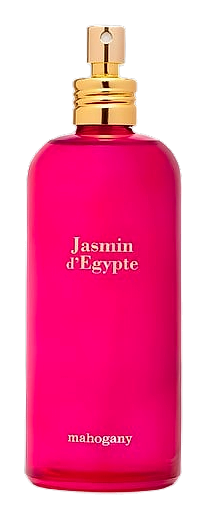
Jasmin d'Egypte was born from a simple idea: what happens when you place one of the world's most storied jasmines at the center of a composition and build everything around it, rather than beside it? The reference to Egypt isn't decorative, Egyptian jasmine has a rich tradition in perfumery, prized for its depth and the slightly honeyed warmth it brings that jasmine from other regions can't quite match. Mahogany reached for that specific character, layering it with other white florals that amplify rather than compete with the star. The result is a fragrance that earns its name.
Eight heart notes might sound like chaos on paper, but the composition holds because each one earns its place. Gardenia adds creaminess. Ylang-ylang brings warmth. Iris and violet introduce the powdery dimension that prevents the whole thing from becoming too heavy. Osmanthus, often overlooked, adds a tiny apricot note that catches the light. The real trick is the balance between the white florals' lush, almost dizzying quality and the woody base that grounds everything. Sandalwood, cedar, and musk work together to keep the fragrance from floating away into abstraction. It's structured, even when it smells like abandon.
The evolution
The opening is bright and almost sharp, green notes and blackcurrant give it a cool, slightly tart quality that lasts for the first fifteen minutes or so. Then the jasmine arrives. Not gently. It pushes past the green and takes over, pulling gardenia and ylang-ylang along with it. The tuberose in the top notes is the first to fade, but it leaves a slightly animal residue that keeps the heart from becoming purely pretty. By hour two, the composition has shifted, the florals are still present but softer, and the base notes are rising. Sandalwood and musk become more prominent. The drydown is powdery, warm, and intimate. By hour four or five, you're left with a soft musk-and-iris trail that's barely there but unmistakable the next morning on a shirt collar.
Cultural impact
Jasmine carries centuries of cultural weight across North Africa and the Middle East, where it has long symbolized elegance, romance, and sensuality. Egyptian jasmine specifically has been prized since ancient times for perfumery and religious ceremonies. Mahogany's choice to invoke Egypt in the name signals a return to traditional jasmine cultivation and extraction practices. This fragrance joins a lineage of jasmine-forward releases that draw on these deep cultural associations while appealing to modern Western consumers seeking authenticity in their floral scents.