The Story
Why it exists.
The beginning
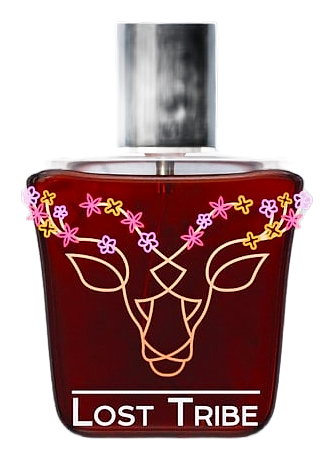
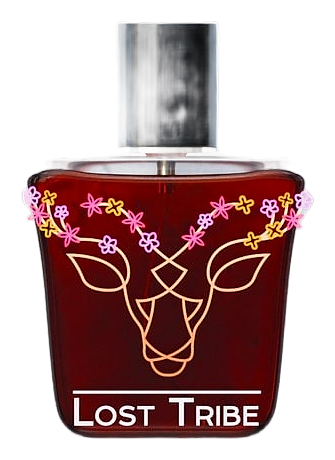
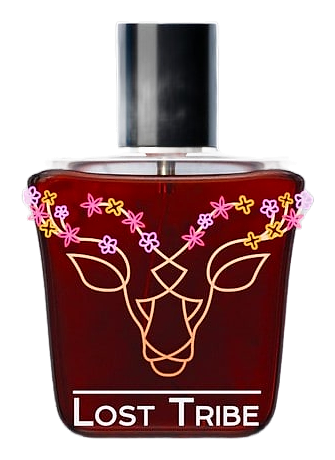
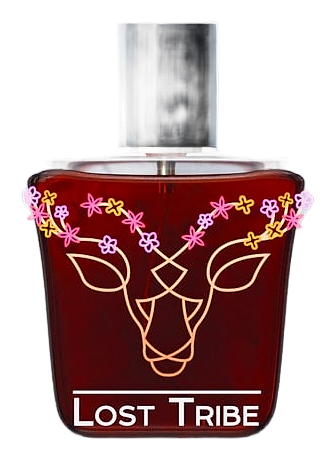
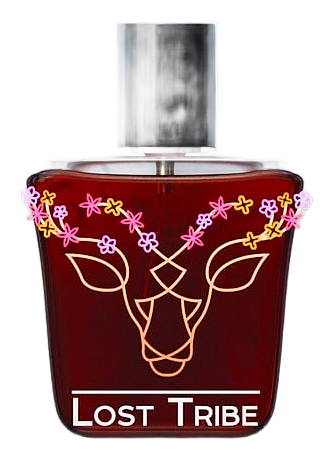
The brief, by all accounts, was audacious: age a fragrance in a camel-skin vessel known as a Kuppi for a full twelve months. The house behind it leaned into the premise without flinching. The result is Joe Camel, released in 2024 and composed by Mathew Schmuelian, a perfume that announces its unusual preparation from the moment you see the vessel. The bottle itself commands attention, a vessel wrapped in actual camel skin that sets expectations before the juice even hits skin. Once it does, the opening unfurls with a briny, animalic warmth, the kind of salted, musky edge that brown ambergris brings when it sits at the front of a composition.
What makes Joe Camel structurally unusual is the brown ambergris. It appears twice, sitting in both the opening and the base, which gives the composition a rare continuity. Most fragrances build their arc from contrast, bright to dark, but this one threads the same animalic, salty material through every phase, binding the citrus opening to the smoky oud close. The result is a scent that feels unified rather than compartmentalized, a single thread of briny, musky warmth running from the first sniff to the last.
The evolution
The first fifteen minutes smell like a dare. Bergamot and blackcurrant brighten the summit air, geranium adds a sharp herbal cut, and that ambergris threads underneath, giving the opening a faintly salty, almost marine undertone that doesn't belong in any citrus you're used to. Then the incense lands. Frankincense and opoponax thicken the air, Turkish rose pushes through with its wine-stained warmth, and the oakmoss and callitris wood begin closing the ceiling. By hour two, the smoke has settled into something cathedral-quiet, dominated by the oud pairing, Malaysian's cola-spiced sweetness against Thai oud's drier, more medicinal smoke. The sandalwoods warm everything from below, fir balsam adds a cool green lift, and vetiver keeps the roots honest. The next morning, on a sweater or scarf, the deer musk is what remains, warm, skin-close, faintly sweet, a whisper of the desert the day before.
Cultural impact
Within the conversation around niche fragrance, Joe Camel lands as a release steeped in warm sand, smoky incense, and rich leather, a profile that draws on the deep well of Middle Eastern perfumery. Wearers describe it as the scent of warm sand, smoky incense, and rich leather, evoking desert winds and resinous smoke curling through a tent. Its aged-in-Kuppi presentation also marks it as something rare, a release where the vessel itself becomes part of the appeal. The fragrance leans heavily on smoke, oud, and animalic musk, and wears with a density and longevity that rewards those who appreciate powerful, statement-making scents.
The House
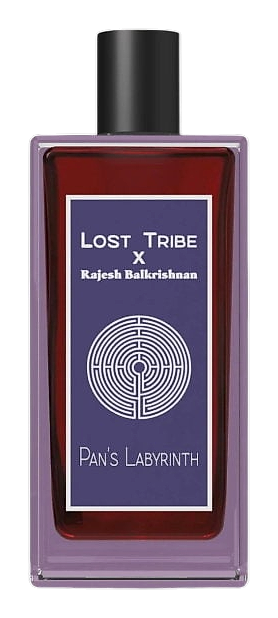
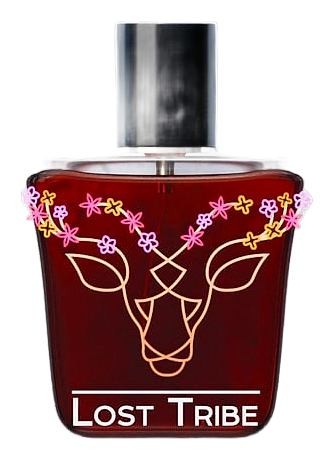
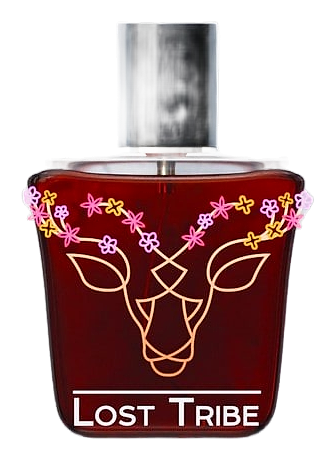
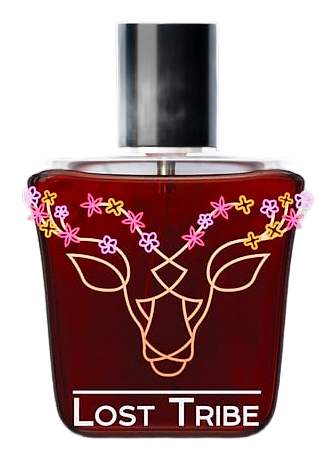
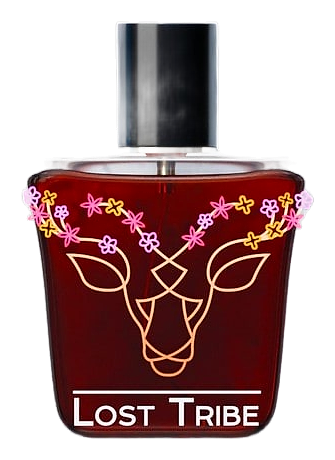
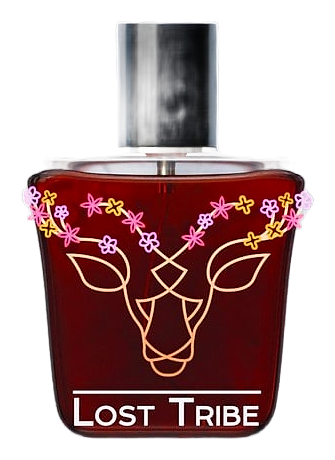
Lost TribeLost Tribe Perfumes is a New York‑based niche house that builds its identity around the unfiltered scent of the wild. The brand’s public statements stress a mission to reconnect wearers with the raw beauty of nature, and its catalogue reflects that aim with a steady stream of location‑inspired and narrative‑driven releases. From the coastal breezes evoked by The Hamptons (2025) to the desert heat captured in Dubai (2025), each fragrance is presented as a miniature landscape, crafted for collectors who value depth over trend. The house positions itself in the ultra‑niche segment, favoring natural ingredients and small‑batch production, and it maintains an active dialogue with its community through social platforms where enthusiasts share impressions and pairings.
The Creator
Mathew SchmuelianMathew’s style leans toward unisex blends that balance bright fruit with grounded woods. He often starts with a single natural note—ripe mango, smoked tobacco, or wild rose—and builds layers that echo its texture.