The Story
Why it exists.
The beginning
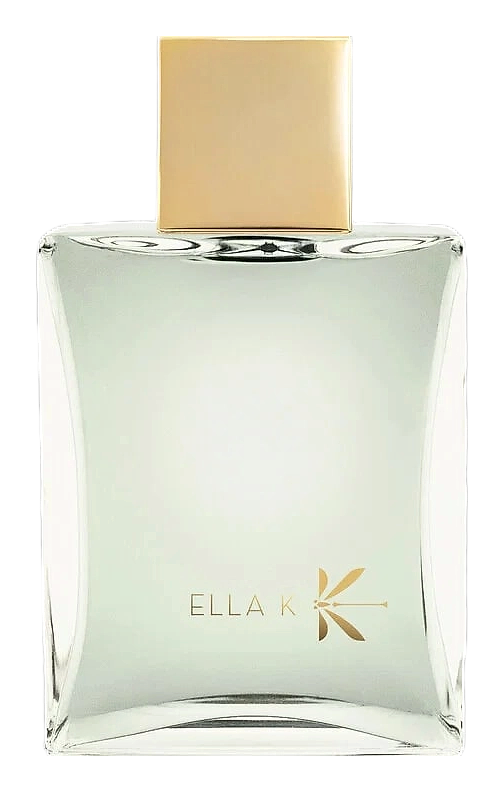
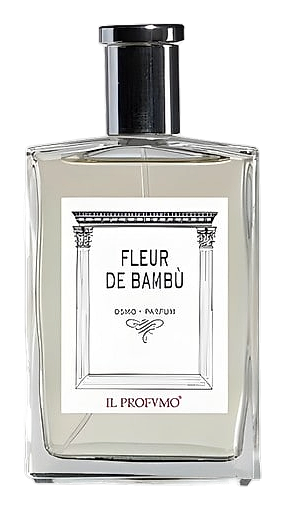
Bamboo offered a starting point for Fleur de Bambù. Its green, slightly aquatic character suggested a fragrance built around clarity and restraint rather than abundance. The perfumer constructed a vertical composition: tea at the top to capture a green, almost mineral clarity that feels like morning air, a heart of aquatic florals and rice to evoke a grove's quiet humidity, and ivy at the base to anchor everything to earth. The combination creates something that breathes rather than overwhelms. The result reads less like a perfume and more like a place.
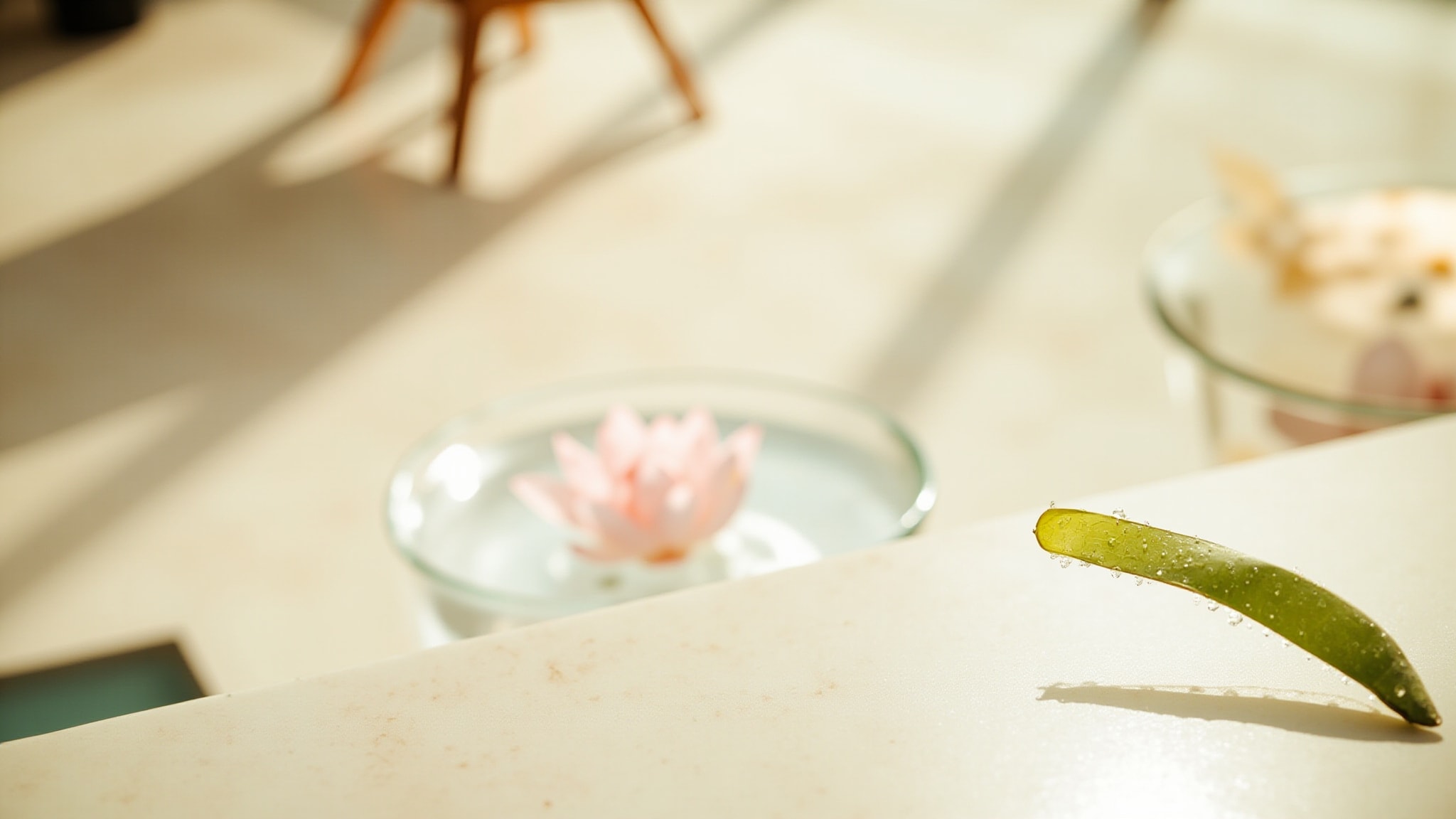
What makes Fleur de Bambù unusual is the combination of rice and lotus sitting alongside bamboo blossom, not as background notes but as co-equal partners. Rice milk brings a starchy, skin-like warmth that softens the aquatic florals. Water lily adds a translucent quality that keeps the heart from becoming heavy. Together, they create an effect that's simultaneously clean and creamy, which is a harder trick than it sounds. The fragrance achieves a balance between freshness and depth that feels intentional rather than accidental.
The evolution
The tea opens first, bright, mineral, slightly bitter, like green leaves crushed between fingers. It doesn't announce itself loudly. It simply arrives. Soon the floral heart moves in: lotus, water lily, rice milk, bamboo blossom. The transition is seamless, almost imperceptible. The green quality that defined the opening doesn't disappear, it softens, becomes the canvas rather than the subject. As the fragrance develops over time, the aquatic notes recede. The rice milk and ivy hold, blending into skin rather than projecting outward. The warmth of the rice milk emerges slowly, giving the composition a soft, almost creamy dry-down. This is a fragrance that becomes intimate rather than filling a room.
Cultural impact
Fleur de Bambù occupies a quiet corner of niche perfumery: green, feminine, and uninterested in making noise. It appeals to wearers who want to smell like a concept, purity, morning air, the bamboo grove, rather than a list of notes. The rice-and-lotus combination gives it a skin-like quality that frequent fragrance wearers often describe as different from mainstream florals. There is an understated quality to this scent that resists the louder, more assertive character of many contemporary fragrances. It asks to be discovered rather than announced, and rewards those who lean in close.