Callitris
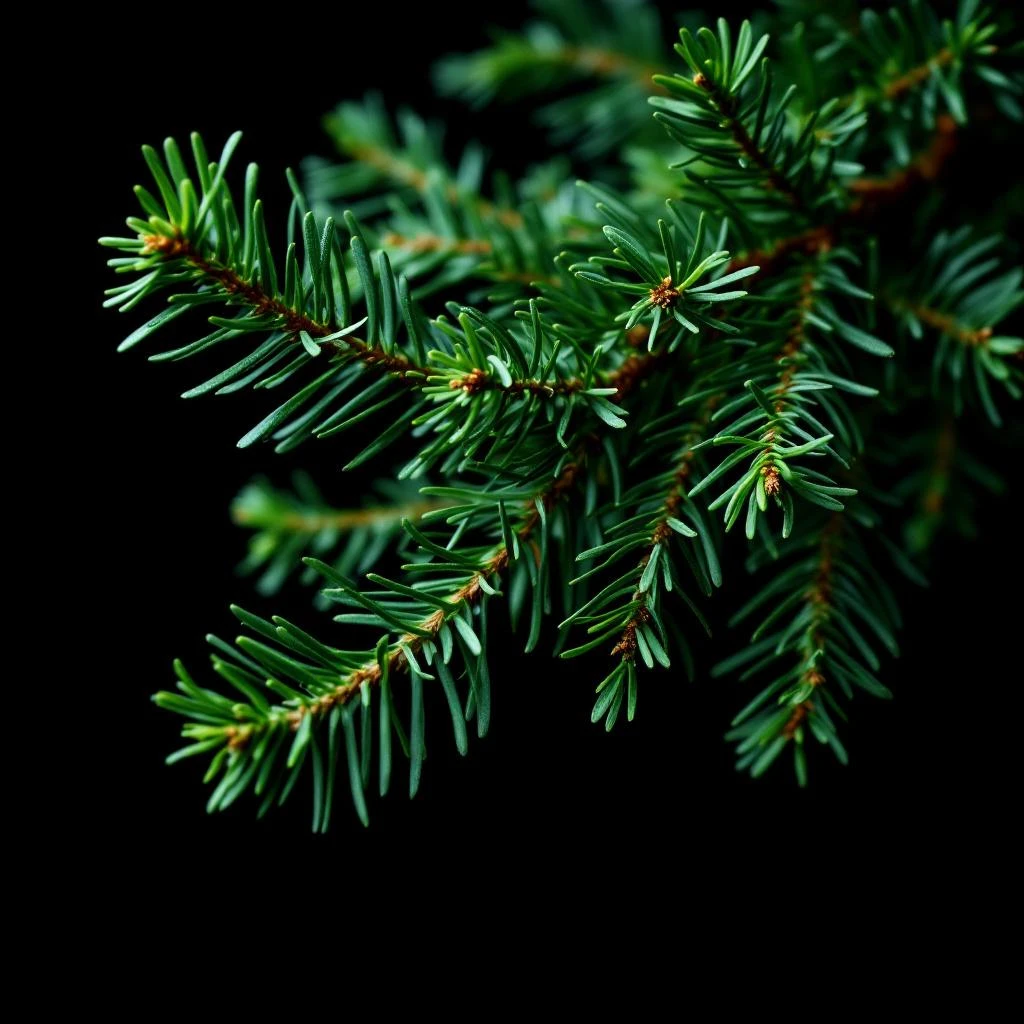
Callitris brings the wild heart of Australian bushland to perfumery. Distilled from native cypress-pine trees, this resinous note carries a dry, smoky character layered with subtle sweet undertones and a crisp, coniferous edge.

Character
How it smells
Australia's resinous pine, bottled.
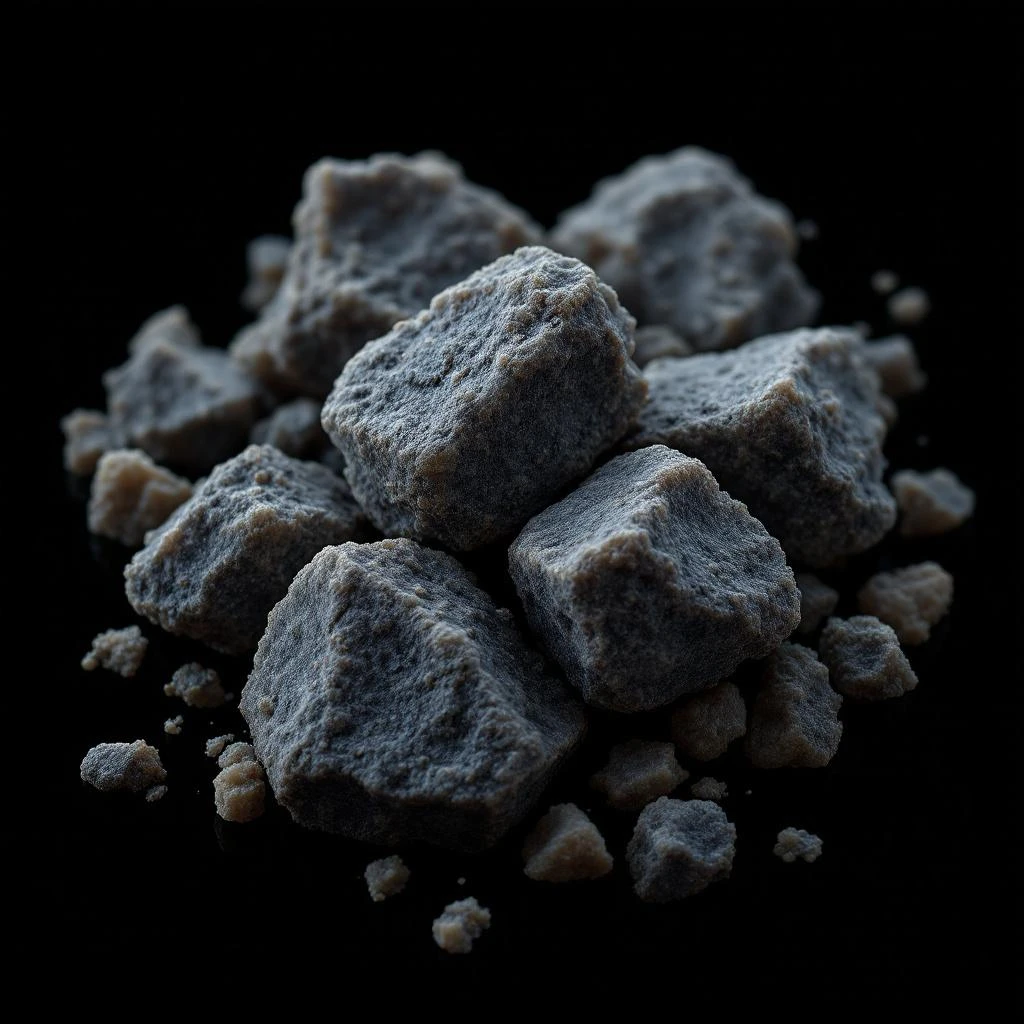
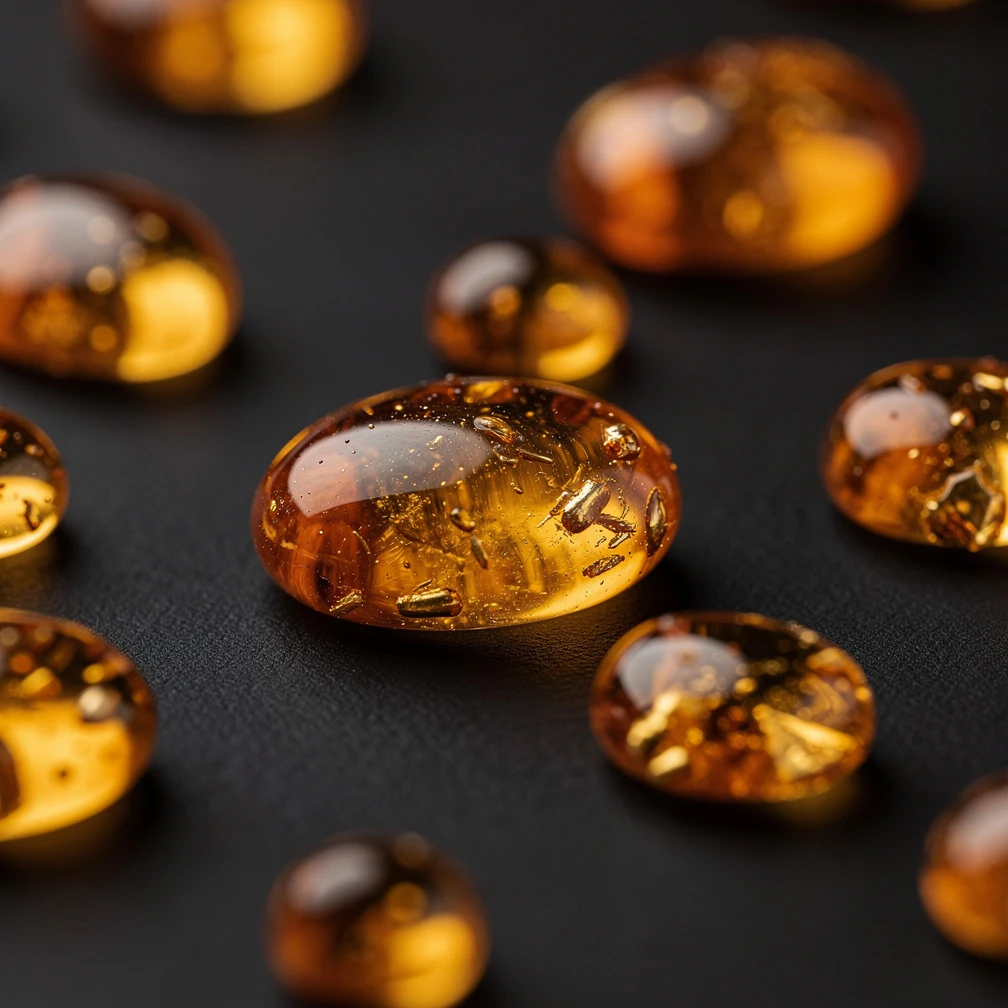
Callitris trees secrete a natural resin called sandarac that has guarded paintings and manuscripts for centuries, long before perfumers ever caught its aromatic potential.




Origin
Australia
Callitris trees have anchored the Australian landscape for over 60 million years, predating the continent's eucalyptus forests. Indigenous Australians used the timber and resin for waterproofing canoes, making ceremonial objects, and treating ailments, well before European botanists catalogued the genus in the early 1800s.
The resin, known as sandarac, became a prized export by the 19th century, shipped to European varnish makers who prized its clear, glass-like finish on fine furniture and artwork. Callitris entered serious perfumery much later, gaining attention in the late 20th century as perfumers searched for novel woody notes beyond the dominant cedars and sandalwoods.
Australian perfumers in particular championed its use, celebrating a botanical that grew in their own soil. Today, sustainable harvesting programs in New South Wales and Queensland manage Callitris plantations specifically for aromatic oil production.
Wears it best
Fragrances featuring Callitris
Brands
Brands known for Callitris
Good to know
Questions, answered
The essentials on Callitris in perfumery: how it smells, where it comes from, and how it behaves on skin.
What does Callitris smell like in perfume?
Callitris presents a dry, smoky-woody character with resinous sweetness and a crisp pine edge. Compared to cedar, it feels smokier and more austere, carrying hints of damp forest floor and toasted timber that linger for hours on skin.
Is Callitris a sustainable fragrance ingredient?
Callitris production draws from managed Australian plantations where trees are selectively harvested. Some operations hold FSC certification, and the species regenerates well from coppicing, reducing pressure on wild stands.
How is Callitris essential oil produced?
Producers steam-distill chipped heartwood and foliage under high pressure for several hours. The process requires roughly 200 kilograms of timber to yield one kilogram of oil, according to Australian industry data, explaining its premium positioning.
What is the difference between Callitris and sandalwood?
Sandalwood delivers a creamy, lactonic softness rooted in santalol compounds. Callitris reads drier and smokier, built on guaiol and bulnesol sesquiterpenes, with none of sandalwood's milky sweetness.
Does Callitris oil have fixative properties?
Yes. Callitris is valued as a base-note fixative thanks to its high sesquiterpene content, which slows the evaporation of lighter top and heart notes in a composition.
Can Callitris resin be used directly in perfumery?
Yes. Sandarac resin, collected from bark exudations, can be tinctured or distilled separately. It produces a sharper, more resin-forward profile than the distilled wood oil.
Which perfumes famously feature Callitris?
Several niche Australian houses have built compositions around Callitris, though mainstream Western brands have been slower to adopt it. Look for it in woody-oriental and smoke-focused blends.
Is Callitris safe for skin application?
Callitris oil is generally considered safe in standard perfumery dilutions. As with most essential oils, undiluted application may cause sensitization in some individuals.



