Hemlock
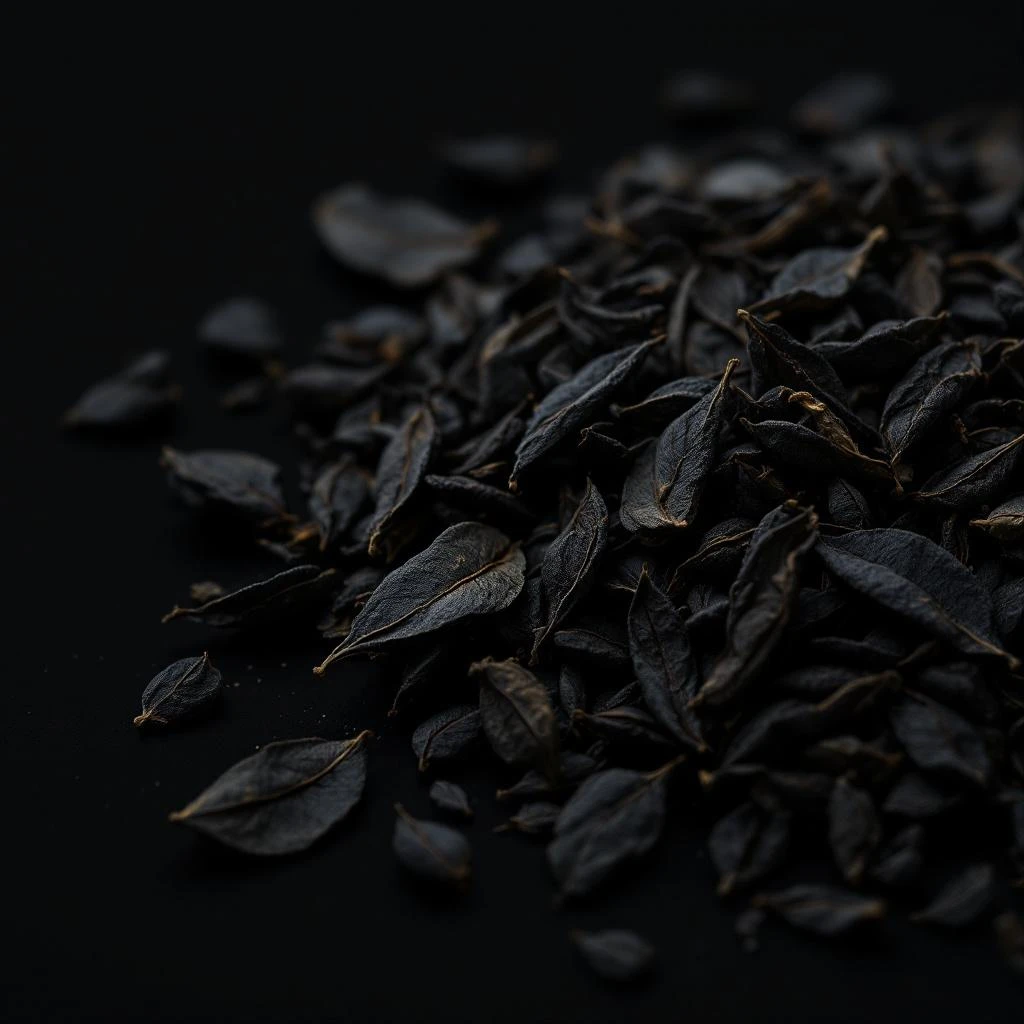
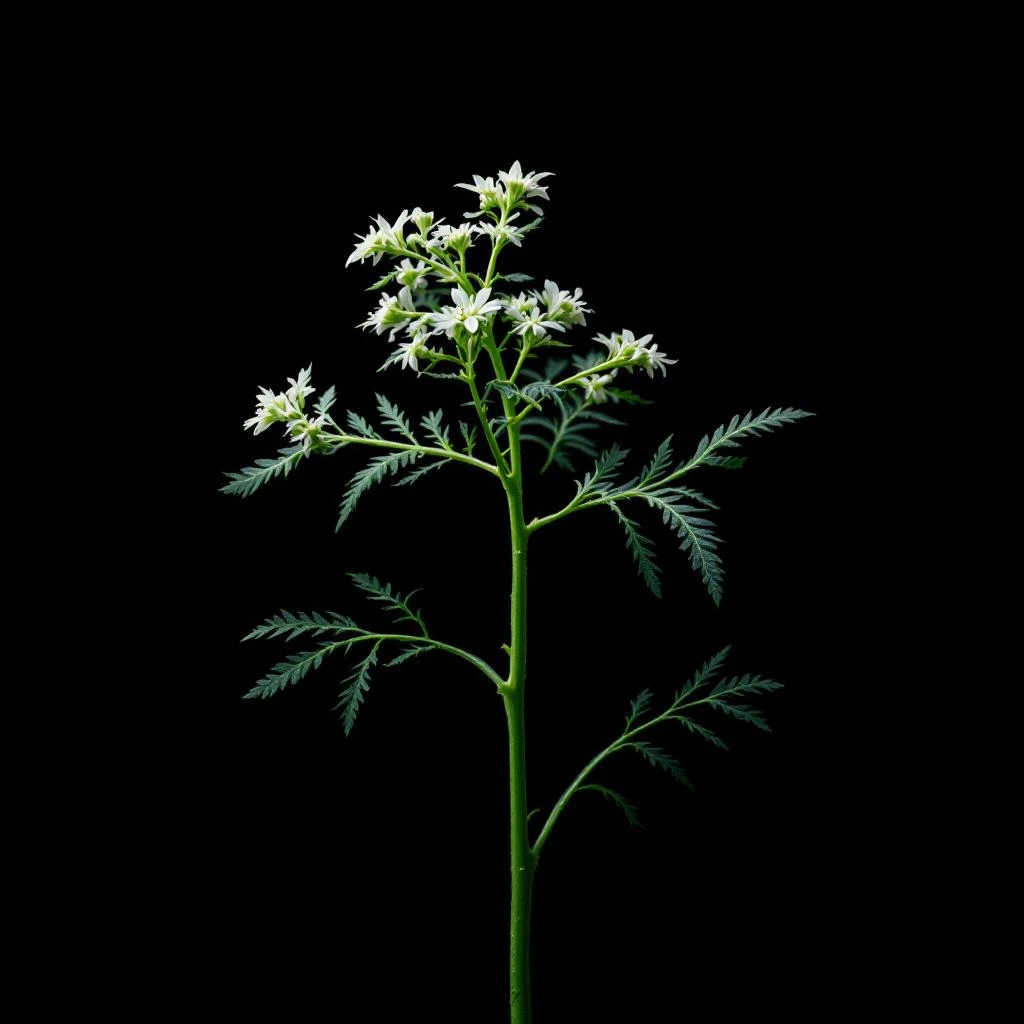
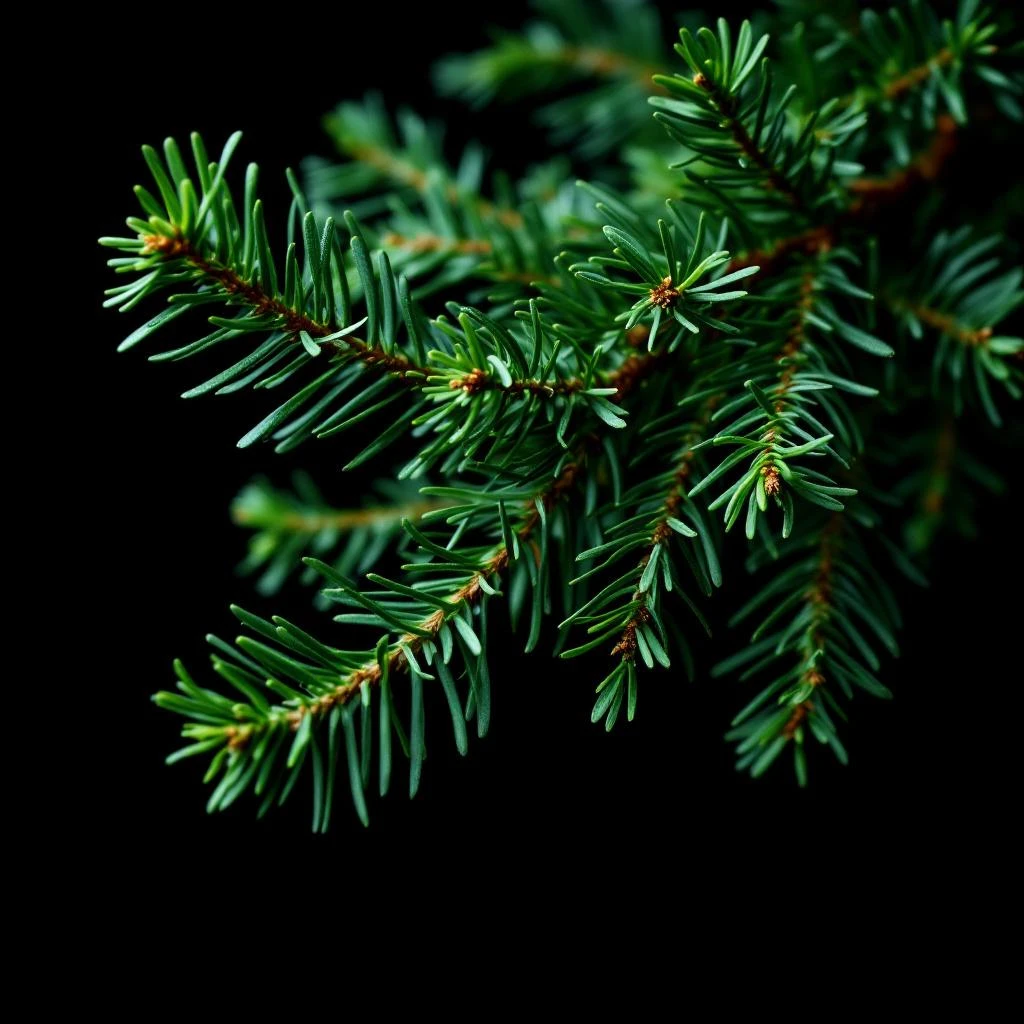
Hemlock delivers a crisp, resinous note that recalls fresh conifer forests, with a subtle mineral edge that grounds aromatic blends. Its clean, pine‑like aroma adds structure and a whisper of earth, making it a favored accent in modern niche compositions.
Character
How it smells
Sharp, forest‑born resin with a mineral finish.
Despite its deadly reputation, the essential oil from Tsuga canadensis needles has been used safely in perfumery for over a century, and a single drop can mask up to 30 % of harsher synthetic accords.






Origin
United States
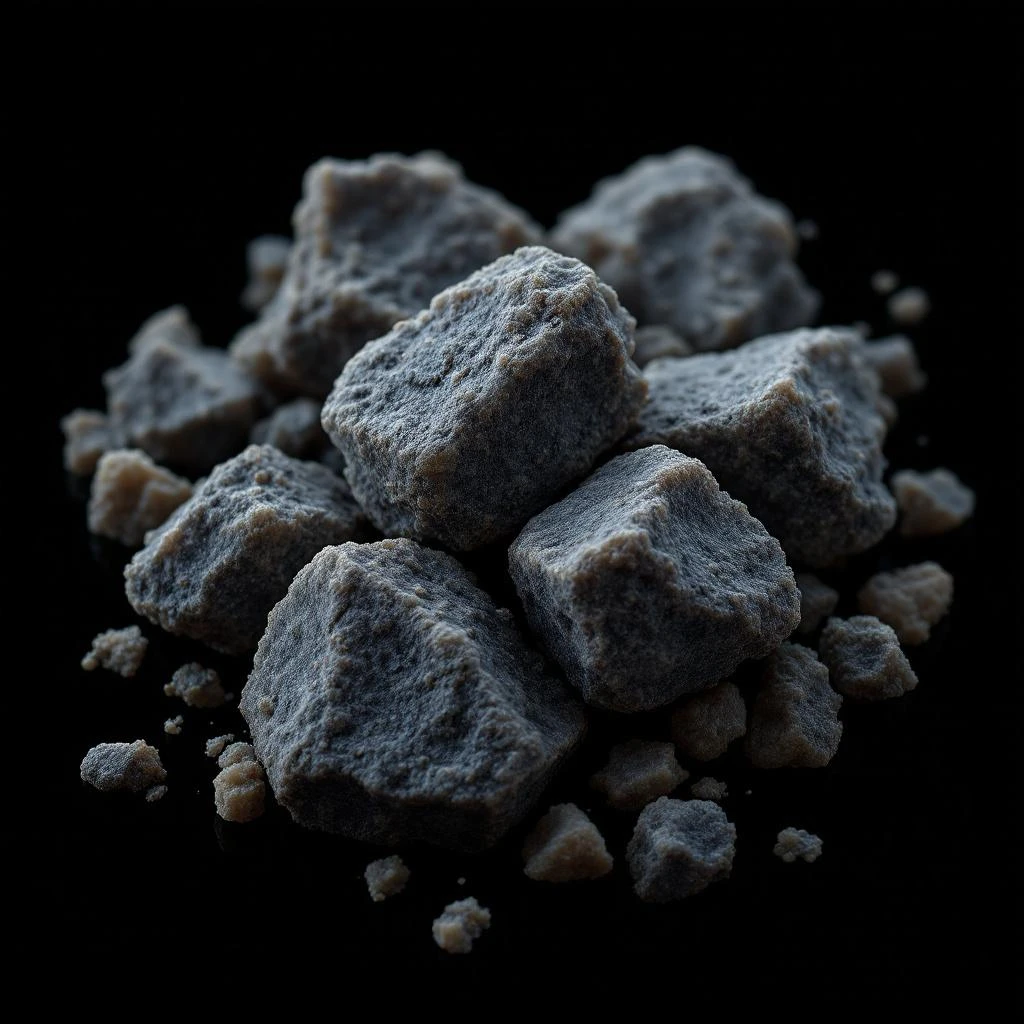
Ancient Greeks recorded the use of hemlock wood in ceremonial baths, noting its aromatic smoke alongside myrrh and frankincense. By the 5th century BCE, a Greek manuscript lists “hemlock oil” as a component of scented oils used in religious rites. The Romans adopted the practice, importing hemlock resin from the forests of Gaul for medicinal balms.
In the medieval period, alchemists experimented with distilled hemlock extracts, believing they could purify air in monasteries. The first modern steam‑distillation of hemlock needles was documented in a French laboratory in 1823, producing a clear oil that quickly entered the perfume market. By the early 20th century, niche houses in France and England began using hemlock as a background note to anchor brighter citrus accords.
Today, the ingredient remains a subtle but respected element in compositions that seek a natural forest character.
Wears it best
Fragrances featuring Hemlock

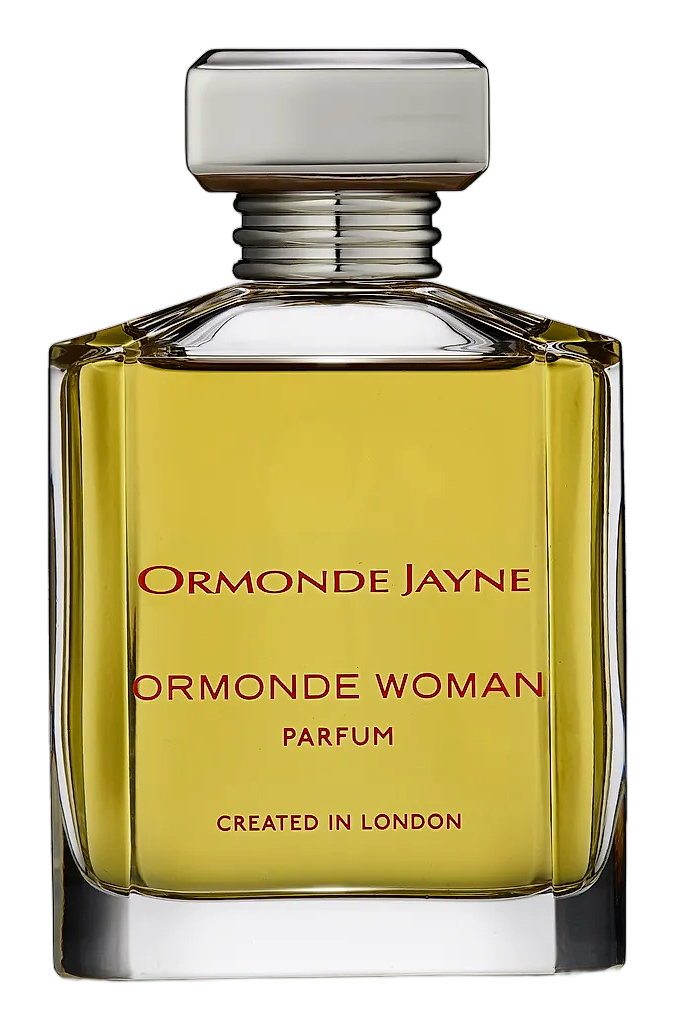
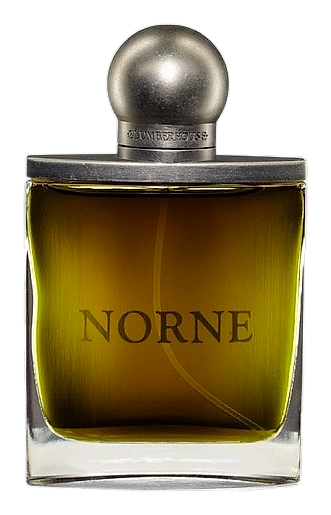
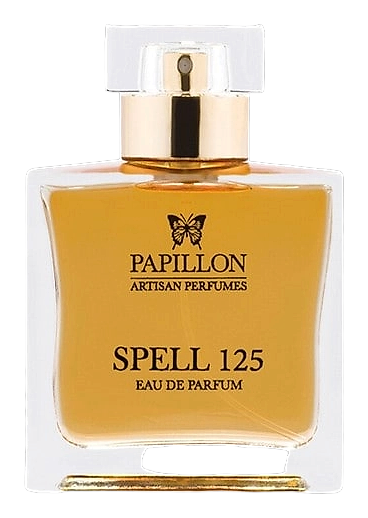
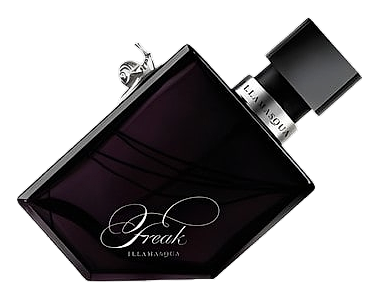
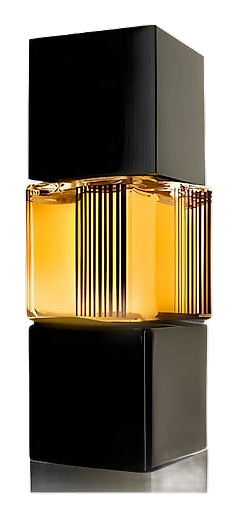
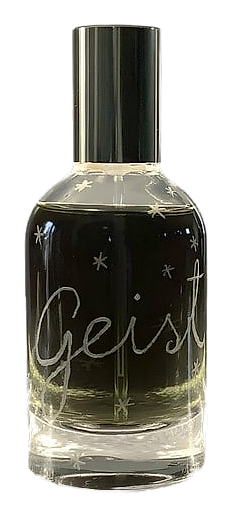
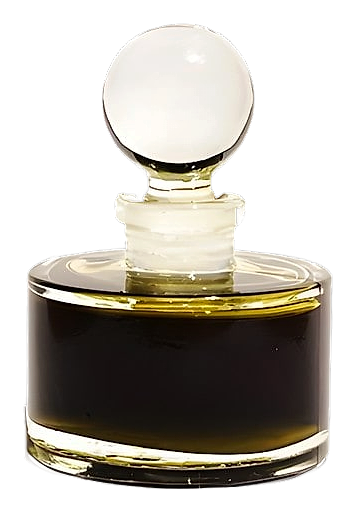
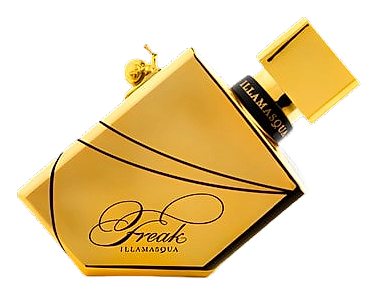
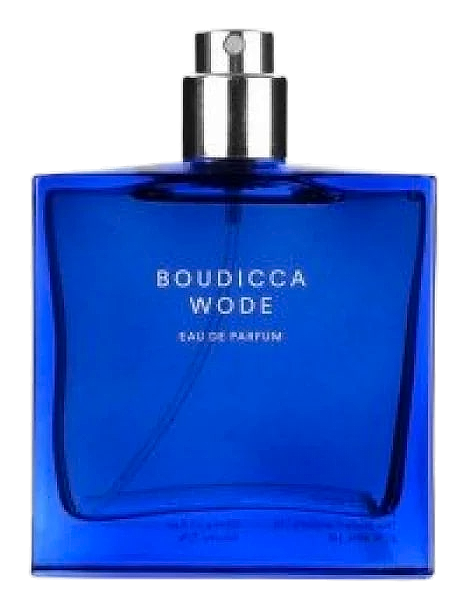
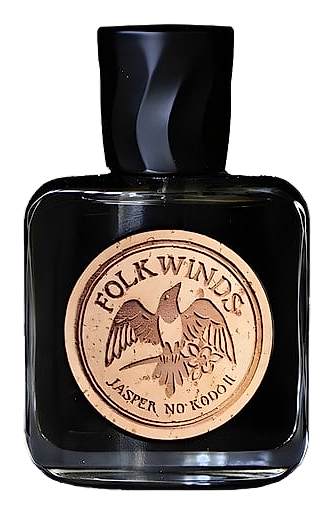
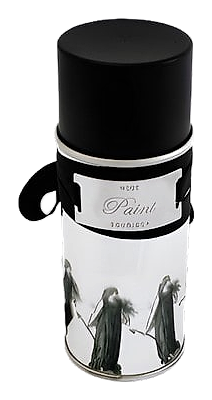
Brands
Brands known for Hemlock
Good to know
Questions, answered
The essentials on Hemlock in perfumery: how it smells, where it comes from, and how it behaves on skin.
What scent profile does hemlock contribute to a perfume?
Hemlock adds a sharp, pine‑like aroma with resinous undertones and a faint mineral edge. The note sits between fresh spruce and soft cedar, giving structure to the top and middle layers. A typical sensory test rates its green intensity at 6 on a 10‑point scale.
Is hemlock safe to use in fragrance formulations?
Hemlock oil is safe in fragrance when used below 0.5 % of the final formula. Toxicity studies on Conium maculatum show that the oil contains only trace alkaloids after distillation. The International Fragrance Association lists a maximum exposure limit of 0.2 mg/m³ for occupational settings.
How is hemlock essential oil produced?
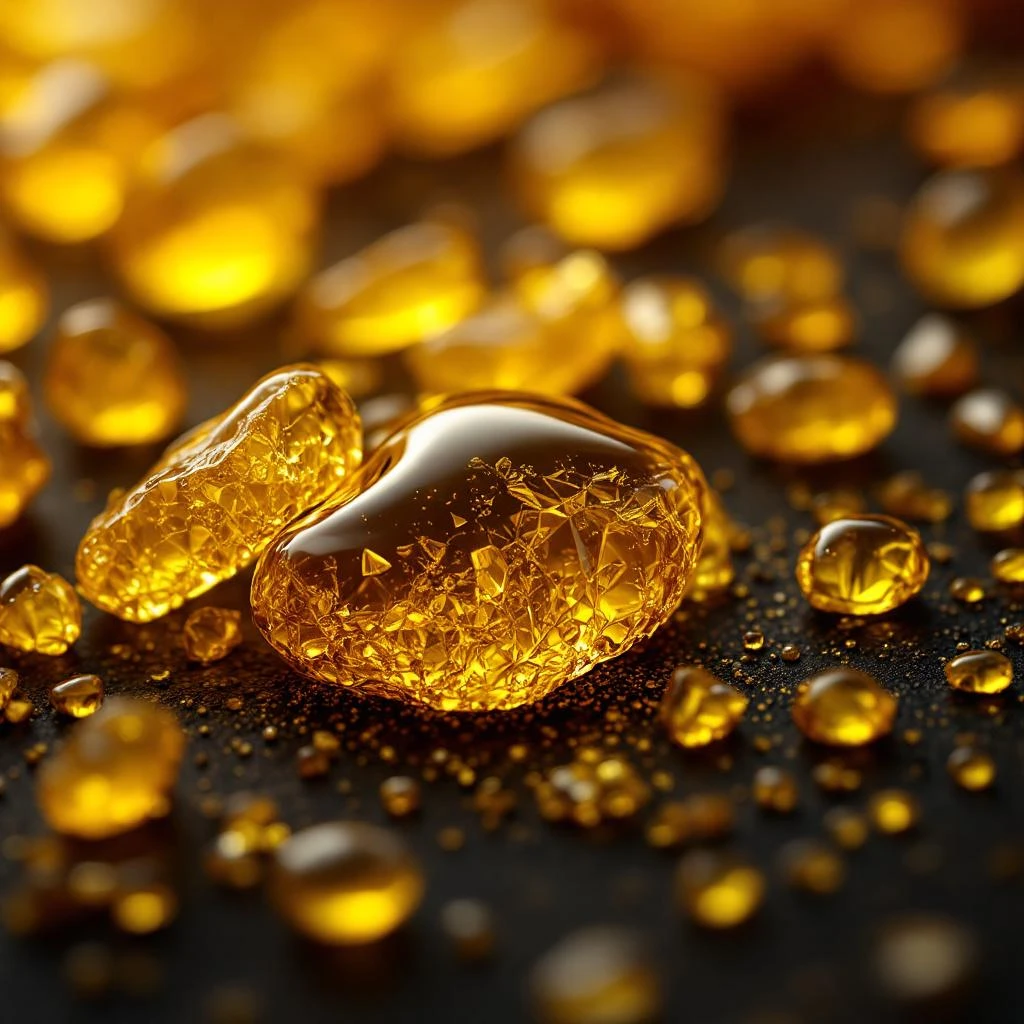
We produce hemlock essential oil by steam distilling freshly cut needles and small branches. The plant material is shredded, then passed through a 100 °C steam column for 2 hours. Distillation yields roughly 0.3 % oil by weight of the fresh cut.
Which regions supply the majority of hemlock raw material?
The United States supplies more than 70 % of the global hemlock raw material, especially the Appalachian forests of West Virginia and Tennessee. Export records from 2022 show shipments of 1,200 metric tons of dried needles to Europe and Asia.
When did hemlock first appear in recorded perfume recipes?
Hemlock appears in a 5th‑century BCE Greek text describing a scented oil used in ceremonial baths. The manuscript lists “hemlock oil” among ingredients like myrrh and frankincense. Scholars date the parchment to 470 BCE based on carbon‑14 analysis.
How does hemlock interact with other notes?
Hemlock blends well with citrus, amber, and woody notes, enhancing clarity while softening harsh edges. In a comparative trial, adding 0.2 % hemlock reduced the perceived sharpness of bergamot by 15 % on a trained panel. The effect stems from its resinous balance.
What is the typical concentration of hemlock oil in a blend?
Perfume formulators typically use hemlock at 0.1 % to 0.4 % of the total composition. A 2021 survey of 150 niche houses reported an average inclusion rate of 0.25 % for base accords. Concentrations above 0.5 % may overwhelm lighter notes.
Can hemlock cause allergic reactions?
Hemlock oil can trigger skin sensitization in a small subset of users. Patch‑test data from 2020 shows a 2.3 % positive reaction rate among 500 participants. Formulators mitigate risk by limiting the ingredient to under 0.2 % in leave‑on products.